


Quick Read
- Samsung is considering moving the Galaxy S26 launch to September 2025.
- The shift aligns with Apple’s expected iPhone 17 release timeline.
- Qualcomm’s Snapdragon 8 Elite Gen 2 may power the Galaxy S26 series.
- Samsung aims to enhance market competitiveness against Apple and MediaTek.
- The decision reflects Samsung’s ongoing reliance on Qualcomm processors.
Samsung’s Galaxy S26 Launch Strategy
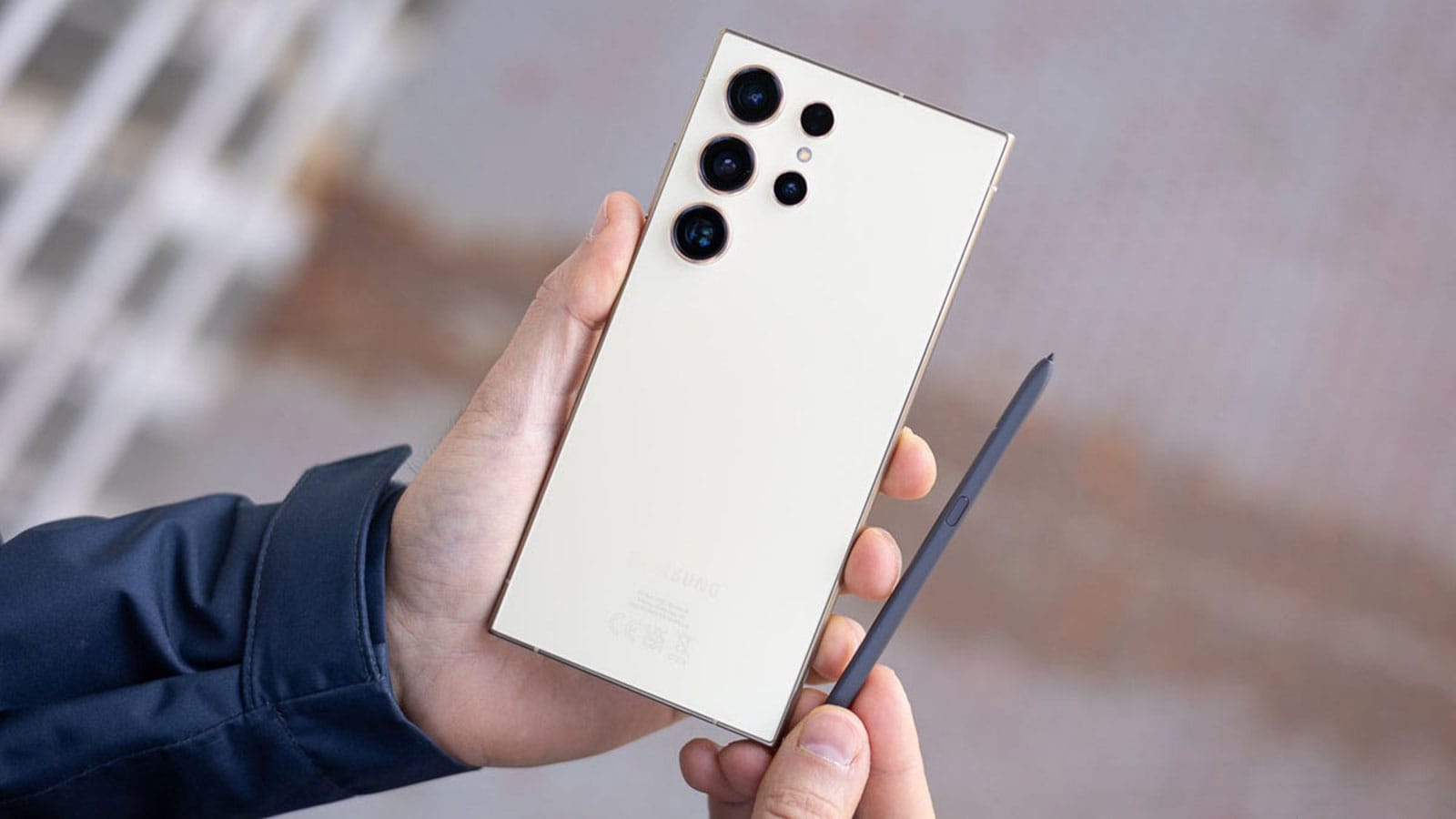
Samsung is reportedly planning to adjust the launch timeline for its Galaxy S26 series, aiming to better compete with Apple’s iPhone and MediaTek’s upcoming Dimensity 9500 chipset. According to industry sources, the South Korean tech giant may unveil its flagship smartphones in September 2025, a month earlier than its usual October release schedule.
Why the Shift in Launch Timing?
The decision to shift the Galaxy S26 launch appears to be a strategic move to compete directly with Apple, which traditionally announces its new iPhone models in September. By aligning its release with Apple’s timeline, Samsung aims to capture consumer attention during a peak period for smartphone launches. This timing also coincides with the anticipated unveiling of MediaTek’s Dimensity 9500 chipset, adding another layer of competition in the high-performance smartphone market.
Processor Choices: Snapdragon vs. Exynos
One of the key factors influencing the Galaxy S26 series is its processor. Samsung has historically used both its in-house Exynos chips and Qualcomm’s Snapdragon processors for its flagship devices. However, recent reports suggest that the Galaxy S26 may exclusively feature Qualcomm’s Snapdragon 8 Elite Gen 2 if Samsung’s Exynos 2600 development does not meet performance expectations.
This potential reliance on Snapdragon is not unprecedented. Samsung opted for the Snapdragon 8 Elite for its Galaxy S25 series, and the presence of TM Roh, Samsung’s mobile division chief, at Qualcomm’s summit last year further indicates a strong partnership between the two companies.
Market Implications
Shifting the Galaxy S26 launch to September could have significant market implications. By releasing its flagship devices alongside Apple’s iPhone, Samsung aims to position itself as a direct competitor in the premium smartphone segment. This strategy could help Samsung attract consumers who might otherwise gravitate toward Apple’s ecosystem.
Additionally, the earlier launch could give Samsung a head start in holiday season sales, a critical period for the smartphone industry. However, this move also comes with risks, as Samsung will need to ensure that its devices are fully optimized and ready for market competition.
Competition from MediaTek
Another factor influencing Samsung’s decision is the expected launch of MediaTek’s Dimensity 9500 chipset. MediaTek has been gaining traction in the high-performance smartphone market, and its new chipset is anticipated to offer competitive features that could rival both Qualcomm and Apple’s processors. By aligning its launch with MediaTek’s announcement, Samsung aims to assert its dominance in the Android ecosystem.
Consumer Expectations
Consumers have high expectations for the Galaxy S26 series, particularly in terms of performance, camera capabilities, and design. If Samsung opts for the Snapdragon 8 Elite Gen 2, the devices are likely to deliver significant improvements in processing power and energy efficiency. Additionally, Samsung’s focus on camera innovation could further enhance its appeal to photography enthusiasts.
However, the success of the Galaxy S26 series will also depend on its pricing strategy. With Apple and MediaTek offering competitive alternatives, Samsung will need to strike a balance between premium features and affordability to attract a broad consumer base.
Samsung’s decision to potentially shift the Galaxy S26 launch to September 2025 reflects its commitment to staying competitive in the ever-evolving smartphone market. By aligning its release with Apple and MediaTek, Samsung aims to capture consumer attention and solidify its position as a leader in the industry. While challenges remain, the Galaxy S26 series has the potential to set new benchmarks for innovation and performance.