

Quick Read
- Senate Parliamentarian Elizabeth MacDonough blocked $1 billion in funding for a White House security project.
- President Trump is pressuring Majority Leader John Thune to fire MacDonough over the ruling.
- The dispute highlights a growing conflict between executive policy goals and Senate procedural rules.
The Procedural Impasse
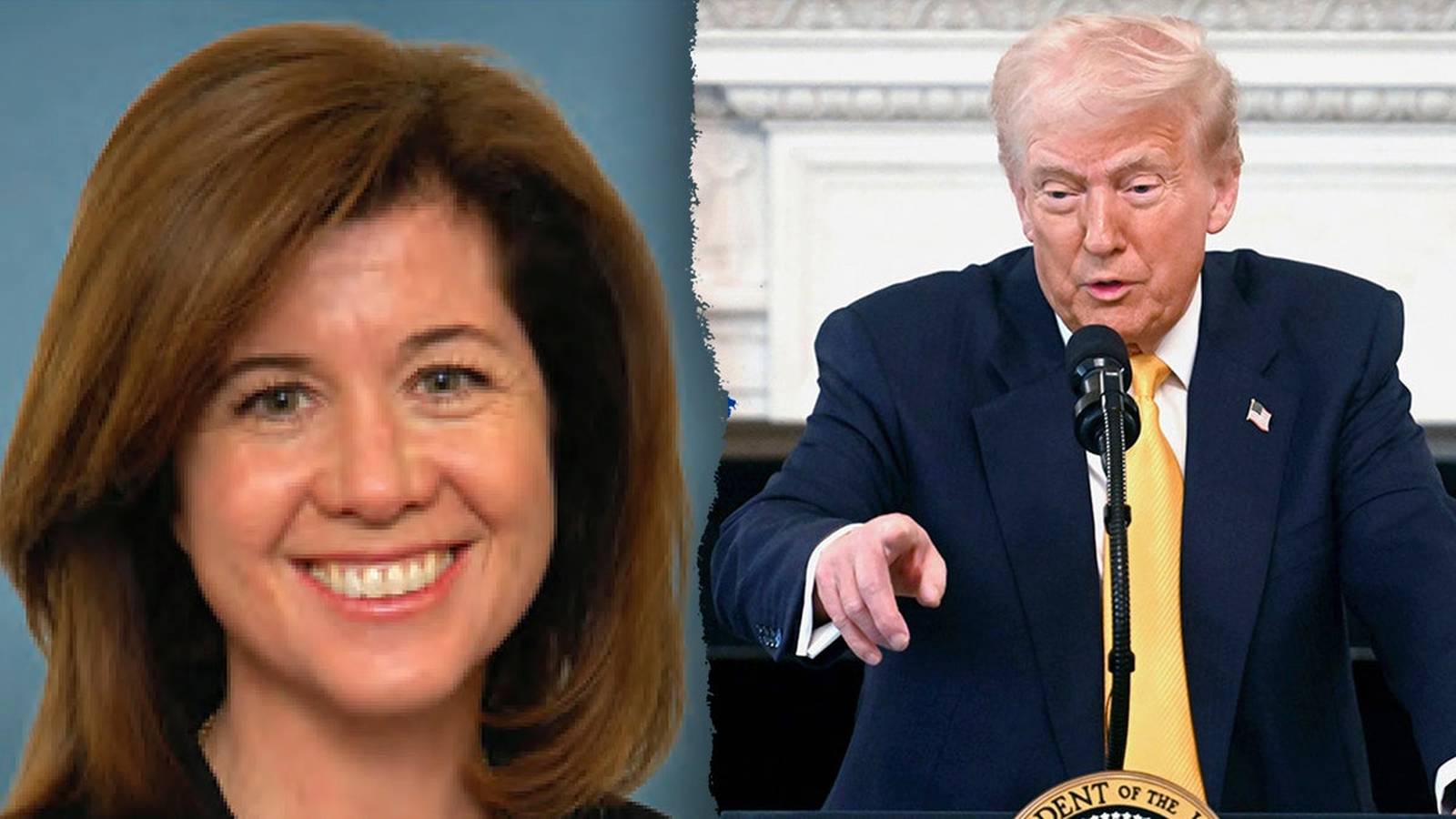
The institutional balance of the United States Senate faces a significant test as President Donald Trump publicly pressures Senate Majority Leader John Thune to remove Senate Parliamentarian Elizabeth MacDonough. The friction stems from MacDonough’s recent determination that a $1 billion security provision—intended to bolster infrastructure around a new White House ballroom—fails to meet the stringent requirements for inclusion in a broader budget reconciliation bill. By ruling that the provision requires a 60-vote threshold, MacDonough has effectively stalled the administration’s legislative maneuver, prompting a sharp rebuke from the President.
The Role of the Parliamentarian
Since the establishment of the formal Office of the Parliamentarian, the position has served as the nonpartisan arbiter of Senate procedure. The Parliamentarian is tasked with interpreting the Standing Rules of the Senate, ensuring that legislation adheres to the complex protocols of the chamber. This role is designed to be insulated from political pressure, allowing the official to provide objective guidance regardless of which party holds the majority. The current attempt to influence this position represents a departure from traditional institutional deference, raising concerns among legal scholars and moderate legislators about the future of Senate decorum.
Political Fallout and GOP Unity
The controversy coincides with internal GOP friction regarding a $1.776 billion settlement fund proposed by the administration to compensate political allies. As Senate Democrats prepare to force votes on the fund, Republican leadership is struggling to maintain unity. Senators, including Sen. Thom Tillis and the outgoing Sen. Bill Cassidy, have expressed skepticism regarding the necessity of the federal funding for the ballroom project, noting that the President had initially suggested private financing for the construction. The pressure to fire the Parliamentarian has only served to complicate the legislative agenda for Majority Leader Thune, who must now navigate both the procedural hurdles of the ICE and Border Patrol bill and the President’s public demands.
The Balance of Power
The call for MacDonough’s removal has drawn swift condemnation from those who view the Parliamentarian as a critical safeguard against executive overreach into legislative processes. While the President’s allies argue that the Parliamentarian’s rulings have unfairly hindered the administration’s policy goals, institutionalists warn that politicizing the office could lead to a permanent degradation of Senate functionality. As the debate continues, the focus remains on whether Senate leadership will prioritize the protection of institutional norms or bow to the mounting pressure from the executive branch.
The conflict over the Senate Parliamentarian underscores a deeper tension between executive ambition and legislative procedure. By challenging the nonpartisan nature of the office, the current administration is effectively questioning the procedural barriers that have historically moderated partisan legislative efforts. The outcome of this dispute will likely set a precedent for how the Senate manages its internal rules in an era of heightened political polarization, potentially altering the legislative landscape for years to come.