


A Legendary Return
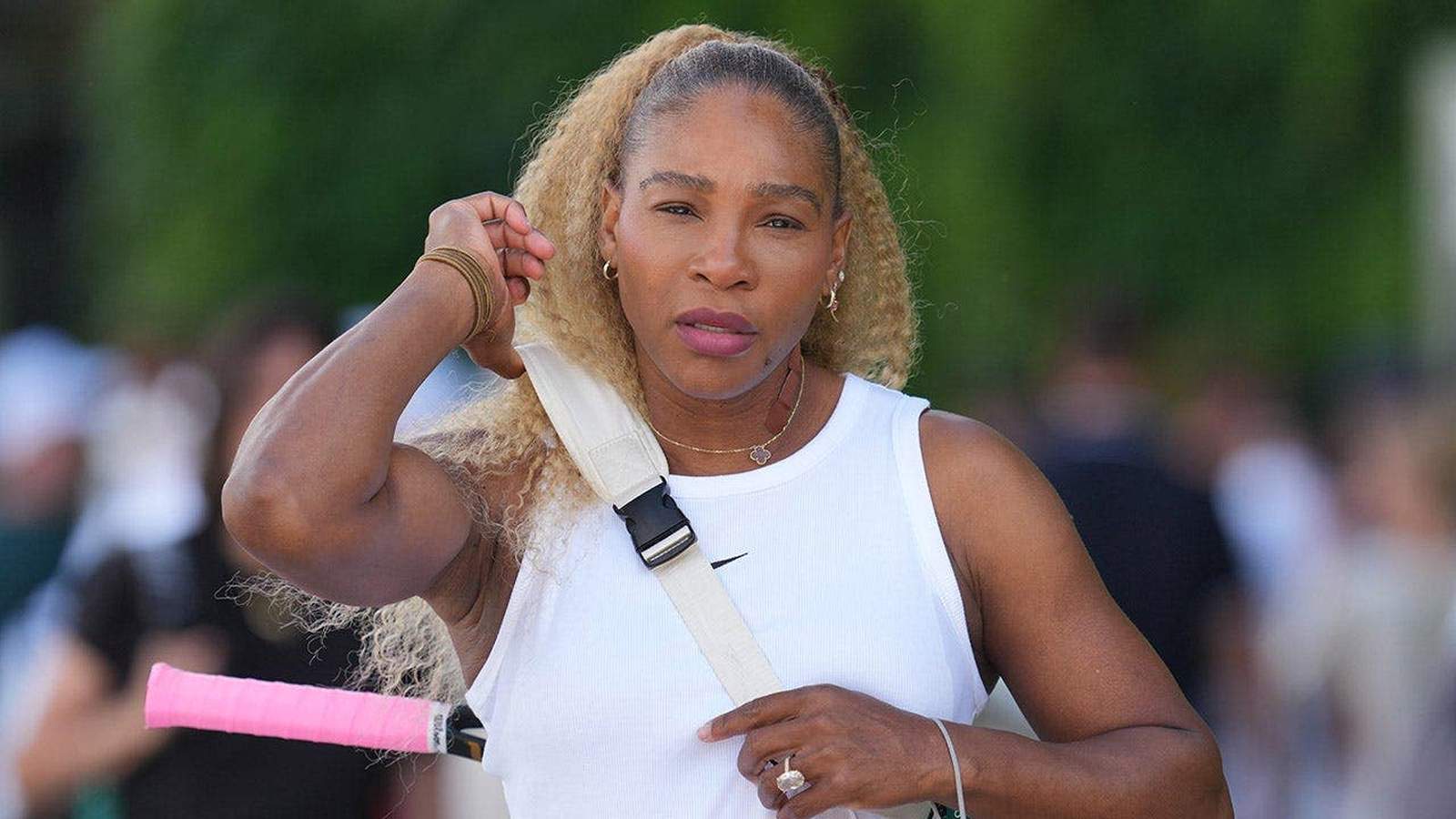
Four years after stepping away from the professional circuit, 23-time Grand Slam champion Serena Williams is set to return to singles competition at Wimbledon on Tuesday. Williams, 44, accepted a wild-card entry for the tournament, a decision she described as a move to seize a final opportunity on the sport’s biggest stage.
Williams, who last appeared at the All England Club in 2022, will face 20-year-old Australian Maya Joint on Centre Court. While Williams returned to doubles play earlier this month at the Queen’s Club, the transition back to the physical and mental demands of singles competition represents a significant escalation in her return.
The Anti-Doping Friction
The path back to the professional tour has been complicated by the mandatory anti-doping “whereabouts” protocols enforced by the International Tennis Integrity Agency (ITIA). In the lead-up to her Wimbledon opener, Williams publicly labeled the system as “grueling,” “unprofessional,” and “unreasonable.”
“I run a VC company, I travel the world. I have children,” Williams said Sunday. “It’s like I could be in so many different cities so many different times.” The “whereabouts” system requires athletes to provide daily schedules for no-notice testing, a process that has recently been under intense scrutiny following a four-year ban handed to 2023 Wimbledon champion Marketa Vondrousova for refusing a test.
The ITIA has defended its practices, noting that “no-notice testing is a fundamental pillar of an effective anti-doping programme” and asserting that no rules have changed in recent years. However, Williams’ comments highlight a growing tension between elite athletes managing complex professional lives and the rigid requirements of anti-doping oversight.
Analysis: A High-Stakes Comeback
Williams’ return to Wimbledon is as much about her legacy as it is about the physical challenge of competition. While her reputation remains formidable—evidenced by the hesitation of other top players to face her in the draw—the reality of her return is fraught with uncertainty. According to Wimbledon’s performance projections, she enters her first-round match as an underdog against Maya Joint.
The emotional weight of this appearance cannot be overstated. By acknowledging that this tournament “could be it,” Williams is managing the expectations of a global fanbase while navigating the logistical burdens of professional tennis. Her critique of the ITIA protocols underscores the friction that often exists between institutional regulation and the personal freedom of veteran athletes, suggesting that for stars of her stature, the “off-court” requirements of professional tennis are now as demanding as the matches themselves.