

Quick Read
- Shane Lowry finished tied for 44th at the 2026 PGA Championship.
- Lowry criticized the PGA for changing course setups daily, sparking debates about player entitlement.
- Scottie Scheffler and Rory McIlroy also offered critiques, though their feedback was considered more technical and measured.
The Anatomy of a Major Championship Grievance
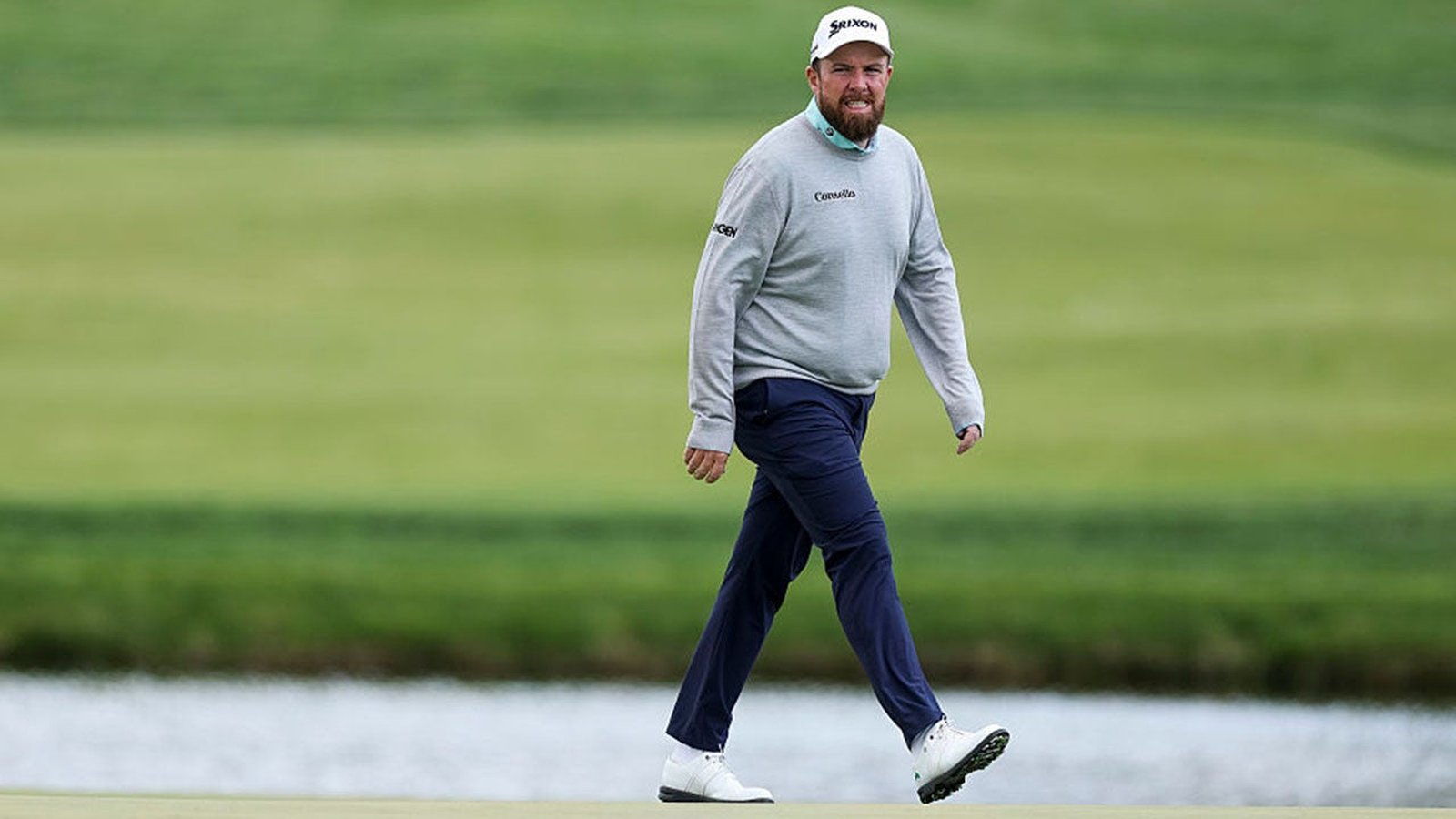
The 2026 PGA Championship at Aronimink Golf Club concluded with more than just a victory for Aaron Rai; it left a lingering discourse regarding the expectations of the world’s elite golfers. Shane Lowry, who finished the tournament tied for 44th, drew significant scrutiny following his public remarks criticizing the PGA’s management of the course setup throughout the week. Lowry expressed specific frustration that the course conditions—particularly the pin placements and overall difficulty—underwent noticeable changes across the first three days of play.
Lowry’s comments have been perceived by many as a symptom of growing player entitlement within professional golf. While he is a major champion, his performance at Aronimink left him 12 shots off the lead, leading critics to question the validity of his complaints. The central point of contention is whether players, regardless of their status, should expect consistency in course conditions, or if the governing bodies have a mandate to keep a major championship from devolving into a low-scoring birdie contest.
The Spectrum of Player Critique
Lowry was not the only participant to voice concerns. Notably, world number one Scottie Scheffler and six-time major champion Rory McIlroy also provided feedback on the Aronimink setup. Scheffler, who has maintained the top ranking for 192 consecutive weeks, described the pin placements as the most difficult he had encountered. McIlroy, meanwhile, suggested that a bunched leaderboard often indicates a lack of definitive course separation. However, the tone and intent of these critiques differed significantly from those of Lowry.
Industry analysts have noted that while Scheffler and McIlroy offered technical observations, Lowry’s rhetoric was viewed by some as an attempt to deflect from his own underwhelming performance. The distinction lies in the expectation of ‘fairness.’ In the context of a major championship, the PGA of America’s responsibility is to protect the integrity of the tournament against the world’s best players, often by utilizing variable setups that force players to adapt to changing conditions rather than mastering a static layout.
The Evolving Landscape of Professional Golf
The incident occurs against a backdrop of broader instability in professional golf. As players like Bryson DeChambeau navigate the divide between traditional tour expectations and the newer, content-driven models of LIV Golf, the definition of what constitutes ‘professional preparation’ is also under fire. DeChambeau, for instance, faced criticism for his social media-heavy approach to tournament prep, highlighting the tension between the traditional prestige of the majors and the commercialization of the sport.
The debate surrounding Lowry’s comments serves as a microcosm of a larger power struggle. As major championships attempt to balance the demands of sponsors, broadcasters, and players, the governing bodies are increasingly caught in the middle. The consensus among many analysts remains that while players have a right to offer feedback, the expectation that a major championship course should remain static for the convenience of the competitors is fundamentally at odds with the spirit of the game.
The friction displayed at Aronimink underscores a critical inflection point for professional golf. As the influence of individual players grows through social media and alternative tour structures, the traditional authority of the governing bodies is being challenged on the very turf that defines the sport. Whether this leads to a more collaborative approach to course design or a widening rift between the PGA and its elite competitors remains to be seen, but the expectation of absolute consistency in major setups is likely an untenable demand in an era where the game’s difficulty is the primary metric of its prestige.