


A Strategic Reunion for the Return to Form
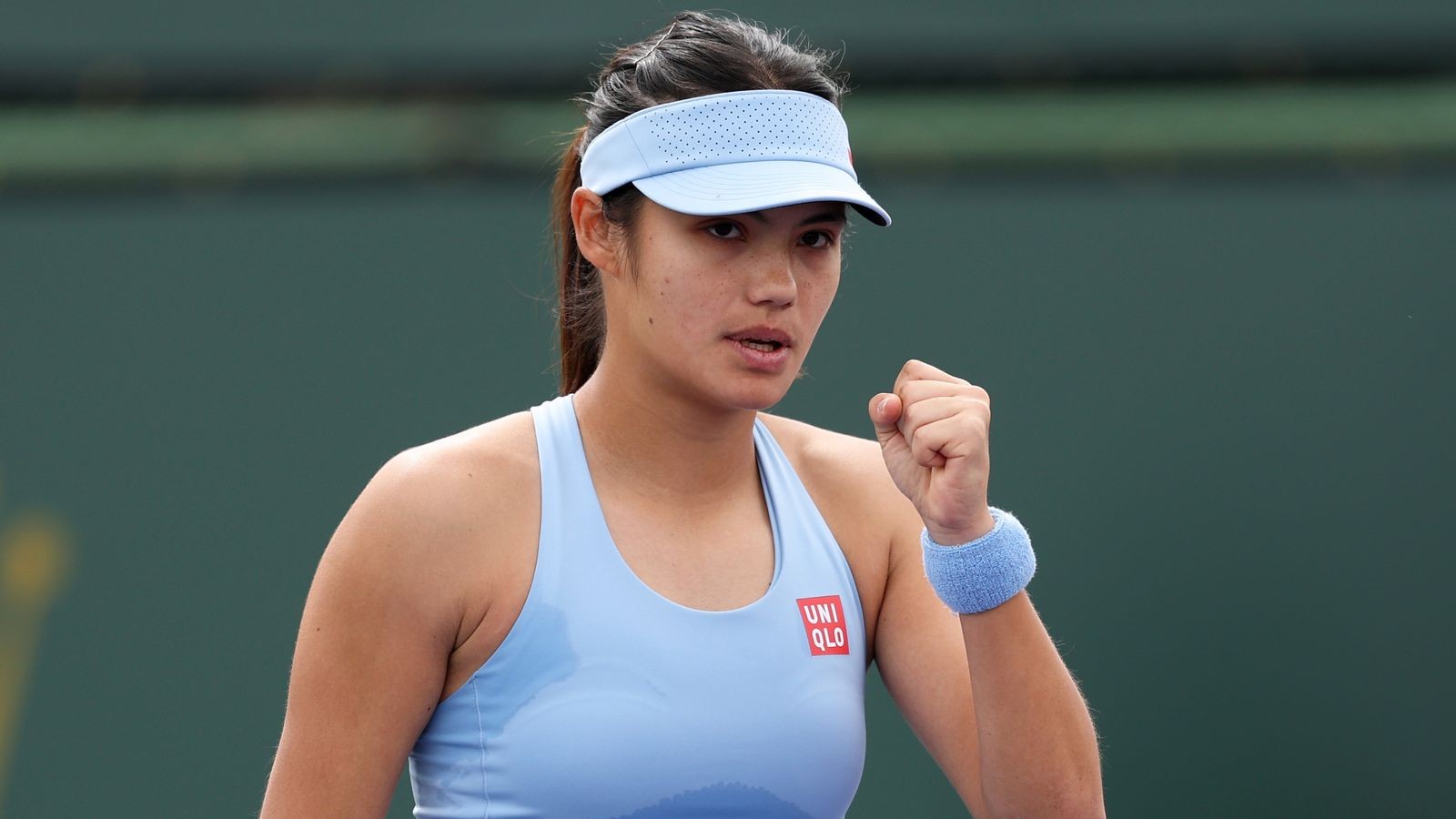
Emma Raducanu’s return to the WTA Tour at the Internationaux de Strasbourg marks a pivotal moment in her career, as she steps back onto the court following a debilitating two-month layoff caused by a post-viral illness. Currently ranked 37th in the world, the 23-year-old faces an immediate challenge in French contender Diane Parry. This tournament serves as a final, high-stakes dress rehearsal before the French Open at Roland-Garros, where Raducanu will compete without the protection of a seed for the first time in recent major campaigns.
The most significant development regarding her comeback is not merely physical, but structural. Raducanu has officially reappointed Andrew Richardson, the coach who orchestrated her historic 2021 US Open title run. The move signals a departure from the experimental coaching carousel that has characterized her professional journey since her breakthrough in New York. By bringing back a figure who understands her foundational game, Raducanu is prioritizing psychological stability and familiarity as she navigates the taxing process of regaining match fitness.
The Challenges of Post-Viral Recovery
The physical toll of post-viral illness in elite tennis cannot be overstated. Raducanu, speaking from Rome prior to her transition to Strasbourg, candidly addressed the lingering exhaustion and energy deficits that have hampered her preparation. “Post-viral, it’s quite hard,” she noted. “You feel drained. You feel tired. No energy. It’s difficult, and it lingered for quite a while.” In a sport where marginal gains in endurance determine match outcomes, the inability to maintain intensity over two or three sets remains the primary barrier to her return to the top tier.
Her partnership with Richardson is being framed by observers, including former British No 1 Laura Robson, as a move toward comfort. “At this stage, she’s trying to come back from a long-term illness… to come back with a familiar voice, someone who you trust already, someone who you’ve been through so much with, probably feels quite relaxing,” Robson noted. This sentiment is echoed by Tim Henman, who emphasized that the consistency provided by a trusted mentor is invaluable, particularly as the tennis calendar heads into the high-pressure grass-court season.
Evaluating the Coaching Philosophy
The decision to reconcile with Richardson is a retrospective acknowledgment of the need for stability. When they parted ways shortly after her 2021 US Open victory, Raducanu cited a desire for coaches with greater WTA Tour experience. The subsequent years saw her work with a variety of high-profile names, including Dmitry Tursunov, Sebastian Sachs, and Francisco Roig. Each tenure was marked by varying degrees of success, but none provided the long-term continuity required to cement her ranking.
Jonathan Overend, a lead tennis commentator, suggests that Raducanu’s career trajectory has been defined by a constant cycle of re-evaluation. While critics have frequently pointed to her high coaching turnover as a symptom of instability, others view it as a necessary quest for the right balance. By returning to Richardson, Raducanu is attempting to synthesize her current professional maturity with the tactical clarity that led to her greatest career achievement. Whether this second iteration of their partnership can withstand the rigors of the modern WTA remains the defining question of her 2026 season.
The road ahead for Raducanu is fraught with both physical and mental hurdles. While her technical proficiency remains world-class, her ability to sustain performance levels in the absence of a protected seed at Roland-Garros will be the true test of her current form. By securing a familiar voice in Richardson, she has at least mitigated the variable of coaching uncertainty, allowing her to focus entirely on the physiological recovery required to compete at the highest level of the sport.