


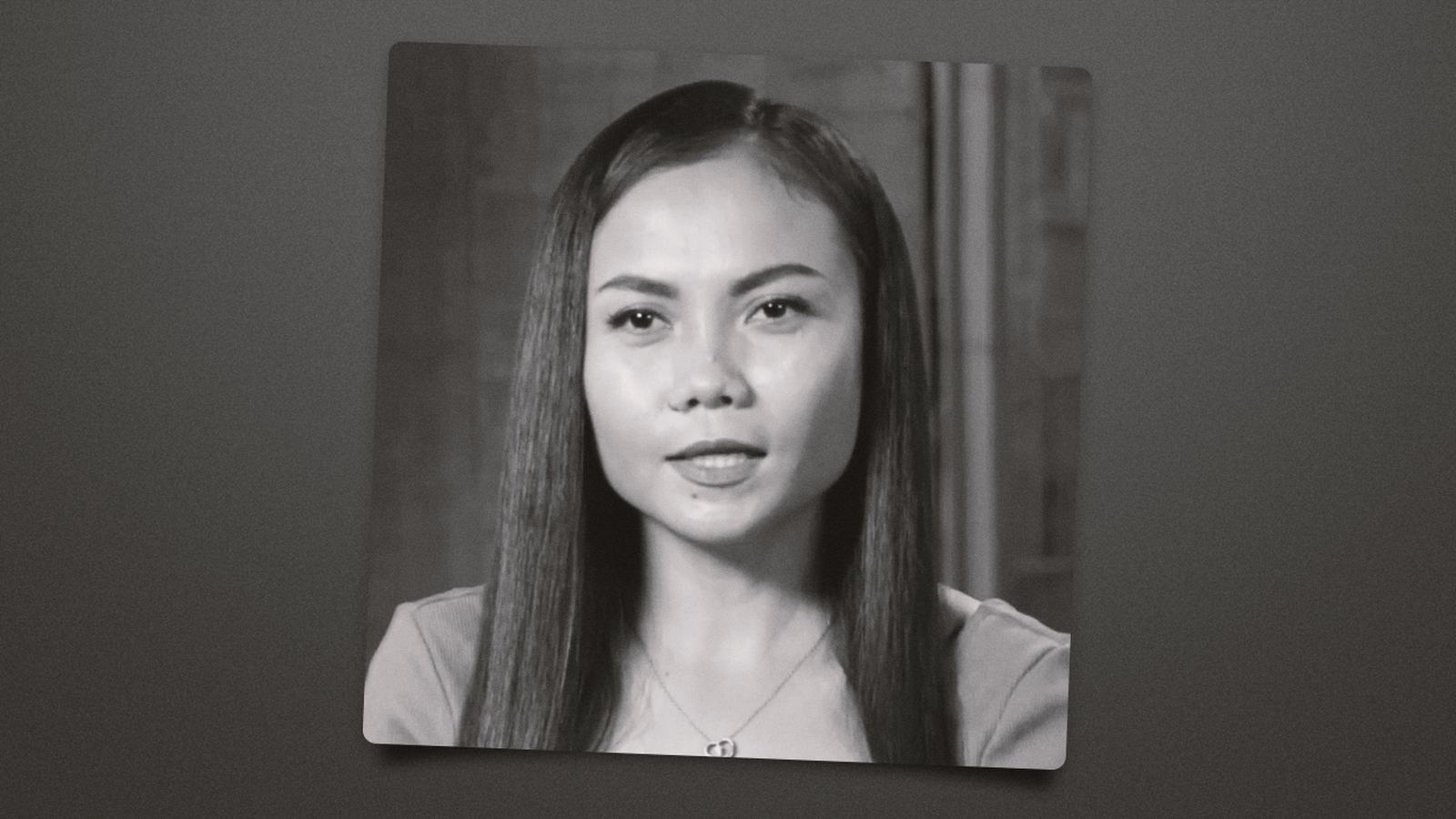
A Sudden Loss for the Reality Television Community
Sheila Mangubat, a 35-year-old reality television personality who gained prominence through her appearance on the sixth season of TLC’s 90 Day Fiancé: Before the 90 Days, passed away in the Philippines on Saturday, November 21, 2026. Her death was confirmed by her former fiancé, David Dangerfield, who shared the news via his social media accounts on November 21, 2026. While the announcement has been widely circulated, the official cause of death remains undisclosed as of the latest reporting by The Hollywood Reporter. The news of Mangubat’s passing has prompted a wave of condolences from the show’s community and viewers who followed her personal journey on television. Dangerfield, who resides in Nebraska, expressed his profound grief in a public statement, requesting privacy for Mangubat’s family, including her son, Jhonreil. As reported by Variety, Mangubat’s sister, Grace, also confirmed the loss through a tribute posted to social media, marking a somber conclusion to a life that became a matter of public interest through the lens of reality media.
Documenting a Complex Cross-Border Relationship
Mangubat’s public profile was defined by her participation in the 2023 season of 90 Day Fiancé: Before the 90 Days. The series, which focuses on the logistical and emotional challenges faced by international couples, documented the early stages of her relationship with Dangerfield. The pair had initially connected in 2021 through a dedicated online community for deaf and hearing-impaired individuals, a fact that framed much of their public narrative regarding communication and cultural adaptation. The arc of their relationship—from their first in-person meeting in the Philippines to their subsequent engagement—highlighted the typical pressures of the K-1 visa process. Reality television often compresses the complexities of international relocation and legal immigration into a structured entertainment format, but in the case of Mangubat and Dangerfield, the challenges were grounded in tangible obstacles, including financial strain and the inherent difficulties of long-distance communication. Their eventual split in October 2025 served as a final public chapter to their documented partnership, ending their pursuit of a shared life in the United States.
Reflecting on a Reconciled Path
The narrative of Mangubat and Dangerfield was characterized by its volatility and public transparency. Beyond the initial televised engagement and the subsequent breakup in 2025, the couple had reportedly sought to navigate the difficulties of their long-distance reality. In June 2026, Dangerfield publicly announced that he and Mangubat had rekindled their romance, marking a significant turn in a relationship that had previously been defined by separation. This reconciliation added a layer of hope for those who followed their journey, as the couple attempted to overcome the systemic hurdles that had previously driven them apart. The reality star’s passing on November 21, 2026, abruptly halts this latest chapter of their life together, leaving behind a legacy that is as much defined by the struggle of maintaining a cross-border connection as it is by their public platform.
The Intersection of Reality Media and Personal Privacy
The death of a reality television figure often highlights the blurred lines between personal tragedy and public content. For many viewers, the emotional connection established through the screen creates a sense of intimacy, yet the reality of such a loss remains deeply private for the family involved. Mangubat, who was born and raised in the Philippines, navigated the scrutiny of international production while managing the realities of single motherhood and the demands of a high-profile, televised romantic relationship. The support from the show’s fanbase underscores the impact these narratives have on a digital-age audience. As the community reflects on her life, the focus remains on the family she leaves behind. The lack of information regarding the cause of death has led to a period of mourning, with Dangerfield’s public plea for privacy serving as a reminder of the human element often obscured by the entertainment industry’s production cycles. For now, the legacy of her time on television serves as the primary point of reference for the public, even as those closest to her navigate the immediate aftermath of her passing.
Funeral Observances and Public Mourning
Following the confirmation of her death, reports from family members have begun to surface regarding the mourning process in the Philippines. According to information documented by Page Six, Mangubat’s brother, Jonathan, shared footage from her funeral services on social media. The visual record of these final rites provides a stark contrast to the polished editing of the television show that made Mangubat a household name. By showing the reality of the funeral proceedings, her family has provided a final, definitive closure to her story, moving the narrative away from the speculative nature of social media commentary and toward a space of mourning. This transition from being a reality star to being a private individual in death highlights the complexities of modern celebrity, where the public feels entitled to information about a person’s life long after the cameras stop rolling. As the community moves forward, the focus remains on the dignity of her memory and the well-being of her surviving family members.
Broader Context of International Reality Television
The tragic loss of Sheila Mangubat also brings into focus the broader realities faced by those who participate in international dating shows. The genre, which often romanticizes the K-1 visa process, frequently glosses over the severe financial, psychological, and logistical burdens placed on the participants. In Mangubat’s case, the documented history of her receiving financial support from Dangerfield following natural disasters and job loss illustrates the precarious nature of these cross-border dynamics. The show provided a lens into these struggles, but it also placed participants under intense public scrutiny, requiring them to monetize their personal hardships. As audiences reflect on the life of Mangubat, it is essential to remember that these individuals are real people who navigate complex, often painful, life circumstances far removed from the entertainment value they provide for a global audience. The void left by her passing serves as a somber reminder of the limitations of reality television in portraying the full breadth of human experience, leaving the audience with only a fractured view of a life that was, in its entirety, much more profound than any screen could capture.