

Quick Read
- SIA is increasing flight capacity while competitors like Cathay Pacific and Qantas are cutting back.
- Rising jet fuel costs due to Middle East instability are squeezing profit margins across the industry.
- SIA’s 25.1% stake in the loss-making Air India remains a significant financial drag on net profits.
- Executives view the Air India investment as a long-term strategy, despite short-term earnings volatility.
Strategic Expansion Amidst Sector Volatility
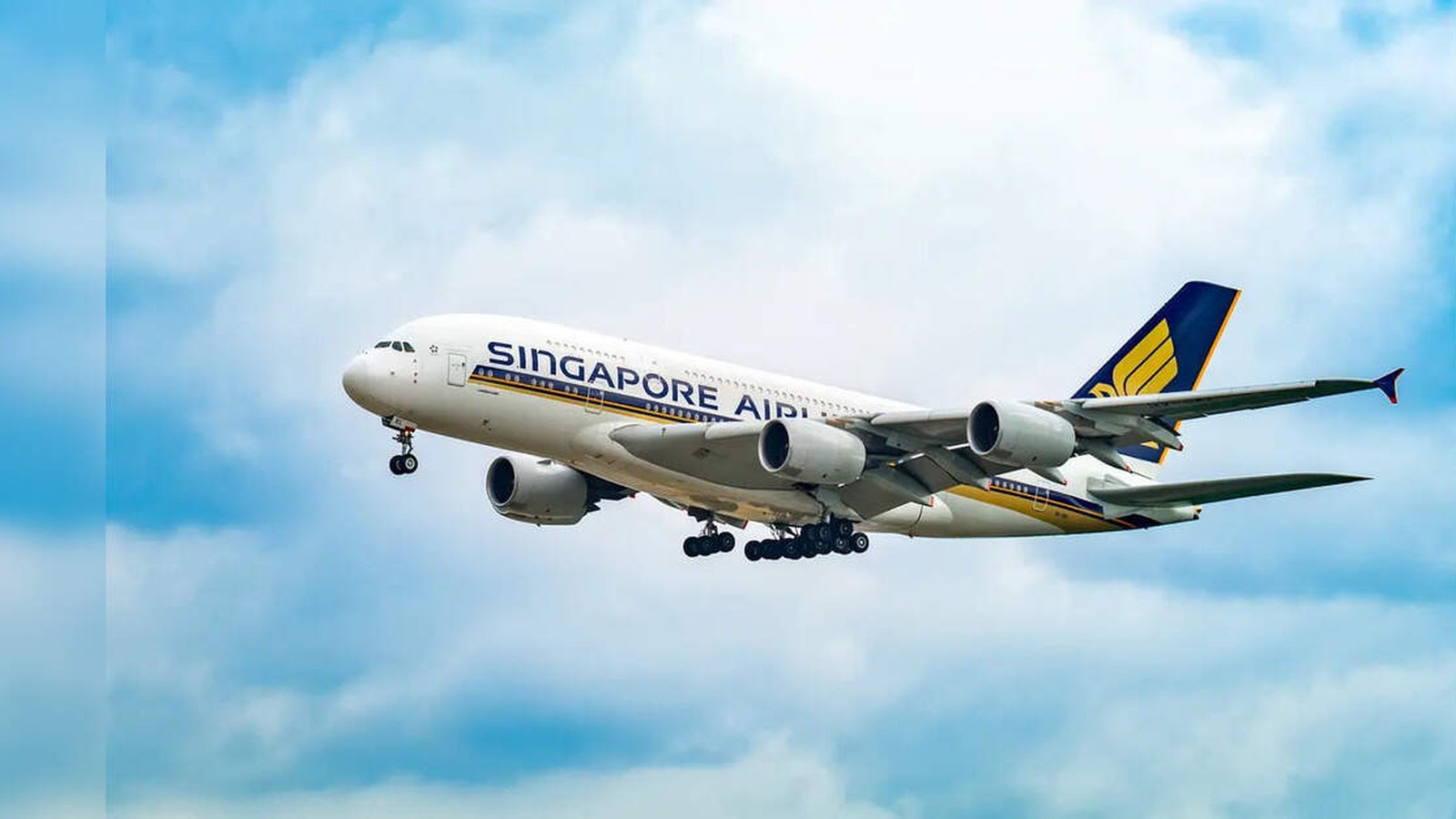
Singapore Airlines (SIA) has signaled a definitive shift in its operational strategy, announcing plans to increase flight capacity at a time when major international competitors are retreating. As regional instability in the Middle East continues to drive jet fuel prices to volatile highs, rivals such as Cathay Pacific and Qantas have opted to reduce flight frequencies and suspend routes to protect their bottom lines. In contrast, SIA’s leadership remains committed to an aggressive growth trajectory, citing the company’s robust financial position as the primary catalyst for this expansion.
The Balance Sheet Advantage
SIA’s ability to maintain and expand its network in a high-cost environment is anchored in its exceptionally strong balance sheet. Chief Commercial Officer Lee Lik Hsin emphasized that the airline does not currently face the liquidity constraints forcing other carriers to scale back. By opting to absorb higher operational costs rather than cutting services, SIA is positioning itself to capture market share left vacant by capacity-constrained competitors. However, this strategy is not without its risks; the airline has reported narrowing profit margins, acknowledging that current fare hikes are insufficient to fully offset the surge in jet fuel costs, which remains the single largest expenditure for the group.
The Air India Financial Drag
Compounding the challenge of high fuel prices is the ongoing financial performance of Air India. SIA holds a 25.1% stake in the carrier, which continues to post significant losses. For the fiscal year 2026, Air India’s performance has exerted downward pressure on SIA’s consolidated earnings. SIA’s full-year net profit saw a 57.4% decline to SG$1.18 billion, a figure heavily influenced by the absence of one-time accounting gains from the previous year’s Vistara merger integration. CEO Goh Choon Phong has framed the Air India investment as a “long game,” signaling that while the carrier remains a drag on the bottom line for the immediate two-to-three-year horizon, SIA is prepared to navigate the capital requirements necessary to support Air India’s long-term transformation plan.
Market Outlook and Sustainability
The sustainability of SIA’s expansion depends on its ability to strike a delicate balance between market share growth and price sensitivity. As noted by industry analysts, the airline must carefully monitor consumer willingness to absorb higher ticket prices. Any further escalation in fuel costs or a downturn in global passenger demand could force a re-evaluation of this growth-first approach. Furthermore, the potential for additional capital injections into Air India remains a point of negotiation with majority shareholder Tata Group, adding another layer of financial complexity to SIA’s medium-term planning.
Assessment: Singapore Airlines is effectively utilizing its financial reserves as a competitive weapon. While the short-term impact on margins and the drag from the Air India investment present tangible risks, the airline’s decision to prioritize market share over immediate cost-cutting may yield significant long-term dividends. Provided the airline can maintain its current pricing power without alienating its customer base, it is well-positioned to emerge from the current geopolitical volatility as a dominant global player.