


The Escalation of Airspace Monitoring
In a significant display of sovereign air defense, the Austrian Air Force (Luftstreitkräfte) scrambled its Eurofighter Typhoon fleet on two consecutive days, May 10 and 11, to intercept United States military aircraft. These incidents, occurring over the Totes Gebirge mountain range in Upper Austria, represent a sharp escalation in the friction between Vienna’s adherence to its policy of perpetual neutrality and the United States’ ongoing military logistics in Europe. The intercepts were classified as "Priority A," the highest urgency level in the Austrian military’s nomenclature, signaling a direct response to potential unauthorized incursions into sovereign airspace.
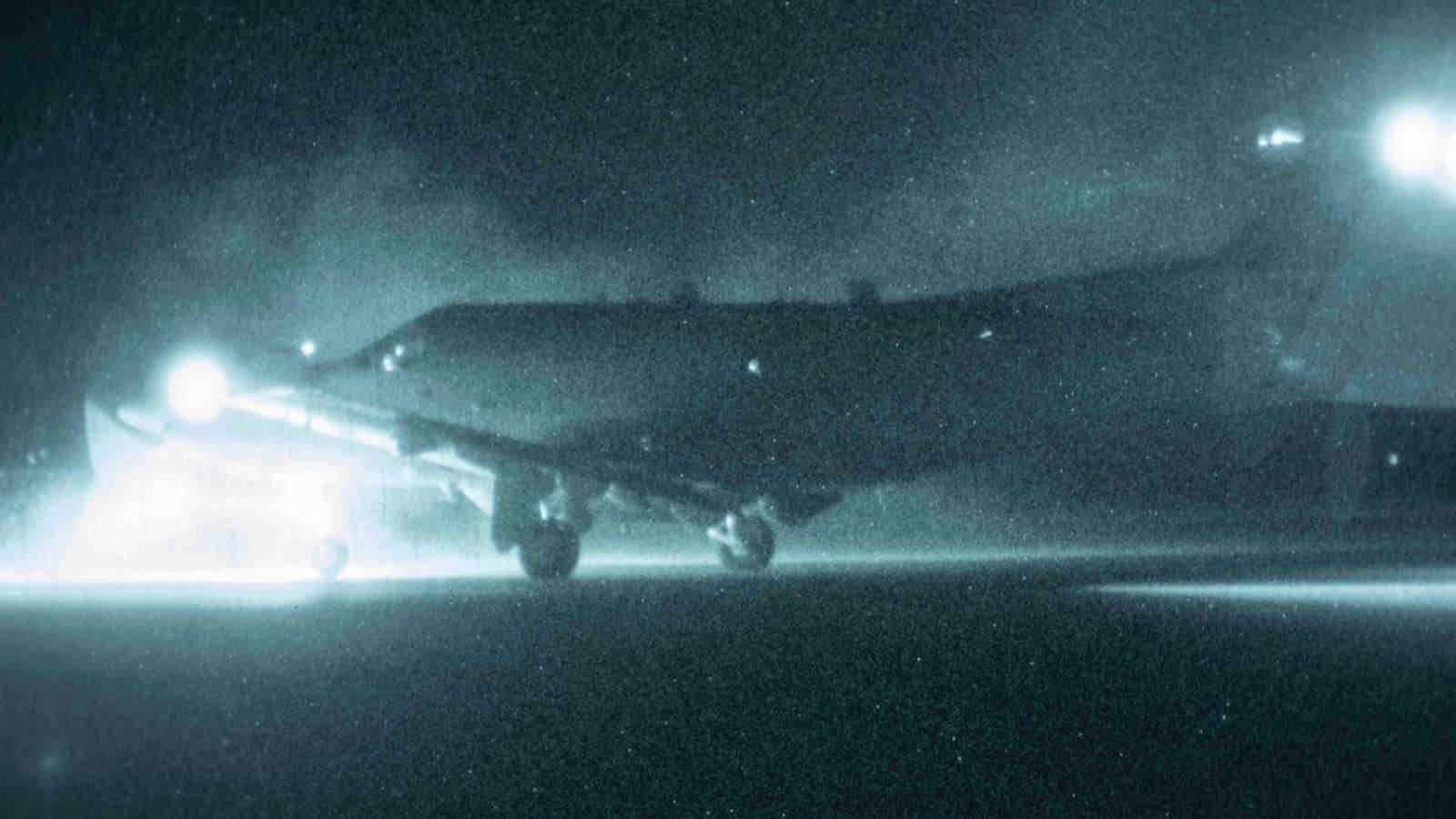
The aircraft at the center of the controversy were identified as modified PC-12 turboprops, designated by the U.S. Air Force as U-28s. These platforms are primarily utilized for signals intelligence (SIGINT) and scouting operations, making their presence in the airspace of a neutral nation particularly sensitive. According to Michael Bauer, the spokesperson for the Austrian Ministry of Defense, the first intercept on May 10 was triggered when two unannounced USAF aircraft approached the border. Although they turned back before crossing, the second incident on May 11 involved a confirmed overflight that required visual verification by Austrian pilots to ensure the aircraft matched the filed administrative permits.
The Legal and Constitutional Framework of Austrian Neutrality
Austria’s status as a neutral state is not merely a policy preference but a constitutional mandate. Since the passage of the Declaration of Neutrality in 1955, the country has been legally bound to avoid participation in military alliances and to prevent the establishment of foreign military bases on its territory. Unlike its neighbors in Germany and Italy, which are core NATO members, Austria maintains a delicate balancing act that restricts the transit of foreign military assets. Under Austrian law, overflight permits are typically granted only for missions unrelated to active warfare.
This legal boundary has become increasingly contested due to the conflict in the Middle East. The Austrian government, led by Vice Chancellor Andreas Babler, has taken a firm stance against facilitating U.S. military operations related to the war in Iran. Austria was the fifth European nation to close its airspace to such activities, with Babler explicitly stating that the Austrian public desires no involvement in what he termed "politics of chaos." This political environment transforms a routine administrative error in flight paperwork into a significant diplomatic incident, as the verification process remains ongoing to determine if the U.S. aircraft complied with the specific conditions of their revised permits.
Strategic Implications and Historical Context
The geography of Austria—a narrow corridor between major NATO allies—makes it a prime transit route for North-South and East-West military logistics. However, the recent intercepts highlight that Vienna is unwilling to allow its geography to be exploited without rigorous oversight. The U.S. European Command has attributed the incidents to an "administrative error" in overflight clearance paperwork, which was reportedly corrected before the May 11 flight. Yet, the fact that Austrian authorities felt compelled to visually confirm the aircraft types suggests a high level of institutional skepticism regarding U.S. compliance.
Historical precedents serve as a backdrop for this current tension. In October 2002, the U.S. attempted to move F-117A Nighthawk stealth aircraft through Austrian airspace by masking them behind a KC-10A tanker’s flight plan. That incident resulted in a formal diplomatic complaint and remains a touchstone for Austrian defense analysts. The current use of U-28 intelligence aircraft, which are often used in covert or sensitive missions, naturally triggers the same alarms within the Austrian Command and Control infrastructure. As the verification process continues, the diplomatic channels between Vienna and Washington are expected to handle the fallout, though the domestic political message from the Austrian government remains clear: neutrality will be enforced through kinetic means if necessary.
The recent intercepts demonstrate that Austria is actively reinforcing its ‘Priority A’ response protocols to signal that its constitutional neutrality is not a passive status. By deploying Eurofighters to visually verify U.S. intelligence platforms, Vienna is asserting its role as a sovereign arbiter of European transit, effectively challenging the assumption of seamless NATO-adjacent logistics during times of active conflict.