
Quick Read
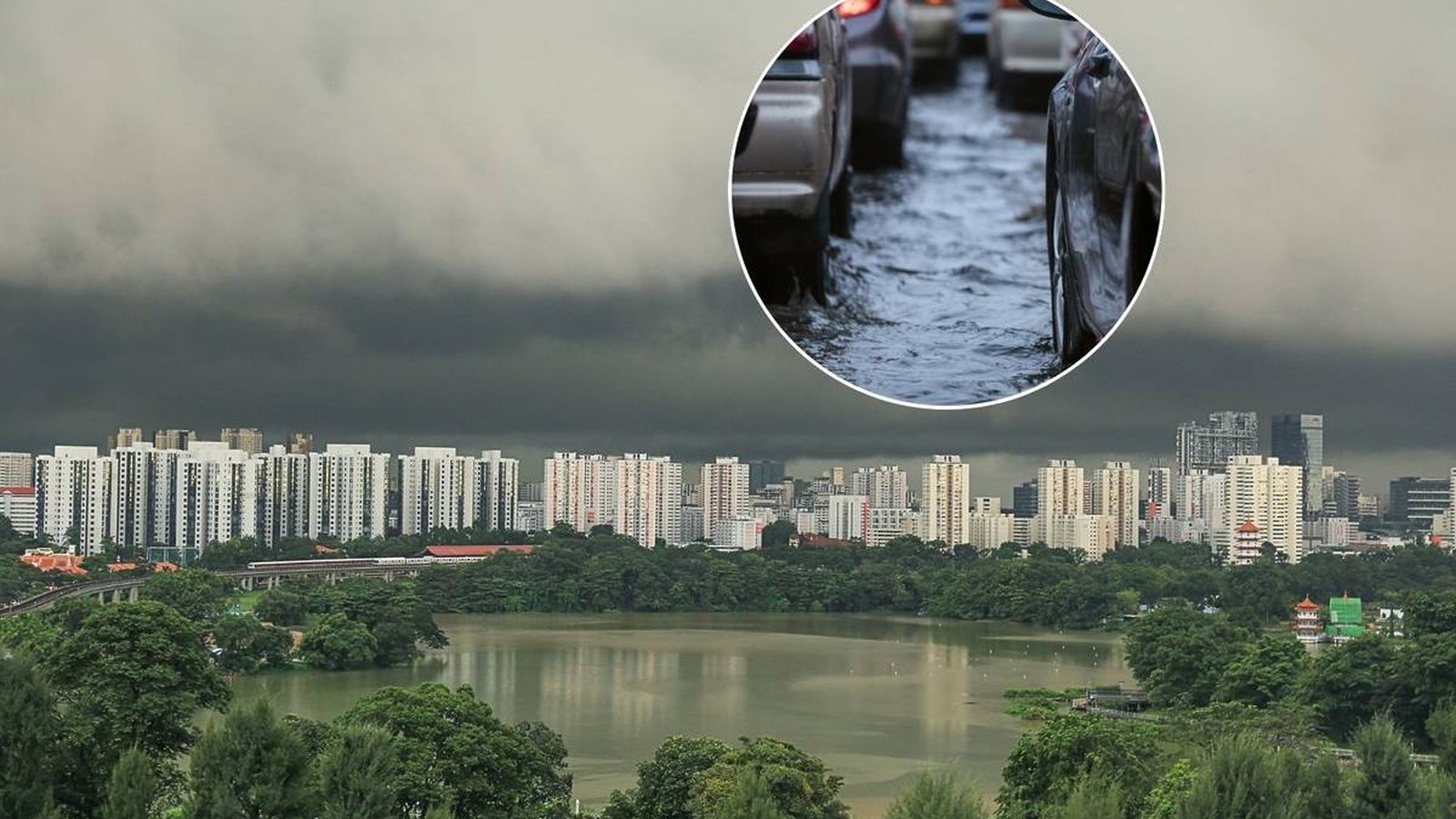
- Western Singapore hit by flash floods on December 4, 2025, due to intense afternoon rain.
- Rainfall of 113.4mm in less than two hours—among top 2% of daily records since 1978.
- Authorities closed and diverted roads; some public transport services delayed.
- Floodwaters receded in around 30 minutes at worst-hit sites, minimizing long-term damage.
- Event highlights ongoing challenges of climate resilience and infrastructure upgrades.
Record Rainfall Paralyzes Western Singapore: What Happened on December 4?
Singapore’s famously efficient infrastructure faced a rare test on December 4, 2025, when the skies opened over the island’s western districts. Within a short afternoon window, rain gauges recorded 113.4 millimeters—more than a third of the typical December total—transforming busy roads into rivers and upending daily life for thousands. According to National Water Agency PUB, the deluge landed in the top 2% of all daily rainfall totals logged since 1978, underscoring the extraordinary nature of the event.
The flash floods weren’t the result of a single misstep or malfunction. Instead, it was a perfect storm: a sudden burst of thundery showers, driven by the prevailing northeast monsoon, collided with the city’s urban landscape. Even Singapore’s advanced drainage systems struggled to cope, with canals and drains overflowing in low-lying zones such as Pandan Road, Pesawat Drive, Boon Lay Avenue, and the junction of Boon Lay Way and Corporation Road. For many, it wasn’t just water flooding the streets—it was a stark reminder of the limits of urban planning when faced with extreme weather.
Disrupted Roads, Diverted Commutes: How Residents Coped
As the rain intensified, authorities acted swiftly. PUB sent out social media alerts, warning motorists to avoid key roads in the west, southwest, and south. Quick response teams were dispatched to help redirect traffic and support stranded drivers. Yet, for a brief period, some lanes were completely impassable, causing delays and confusion for commuters and residents caught in the downpour.
Public transport was not spared. While trains continued to run, several bus services were forced to delay or divert their routes, stranding some passengers and complicating the afternoon rush. In a city where punctuality is prized, even half an hour of disruption rippled through workplaces, schools, and homes. For those living or working in the affected areas, the flash floods were more than a news headline—they were a tangible, muddy challenge to their routines.
The Science Behind the Storm: Monsoon Patterns and Localized Risks
The Meteorological Service Singapore had already flagged the first half of December as a period of heavy afternoon showers, thanks to the northeast monsoon. While total rainfall for the fortnight was predicted to be near average, localized bursts—like the one on December 4—can still overwhelm drainage systems and catch residents off guard.
Extreme weather events are no longer mere anomalies. Urban centers like Singapore face mounting challenges as climate patterns shift, with more intense and unpredictable storms becoming the new normal. As city planners weigh upgrades to infrastructure, the December 4 flash floods add urgency to ongoing debates about climate resilience and urban adaptation.
Community Response and Recovery: Rapid Action Eases Impact
Despite the sudden onset and severity, the floodwaters receded within about 30 minutes in many of the worst-hit locations. This rapid drainage is a testament to Singapore’s investments in its water management systems. Still, the incident served as a wake-up call, prompting calls for further enhancements to both physical infrastructure and digital alert systems.
Residents shared stories online—some describing cars stalled in knee-deep water, others grateful for the swift response of traffic officers and emergency teams. The spirit of cooperation was evident, with neighbors helping each other navigate flooded walkways and businesses temporarily shutting their doors until conditions improved.
Looking Ahead: Lessons Learned and Future Preparedness
Singapore’s government continues to stress the importance of public awareness and preparedness. As weather patterns grow more volatile, timely information and community resilience will be crucial. PUB and other agencies are reviewing the December 4 event to identify areas for improvement, including possible upgrades to flood-prone zones and enhancements to early warning systems.
For now, life in the city-state has returned to normal. But the flash floods of December 4, 2025, will linger in the collective memory—a vivid reminder of nature’s unpredictability and the need for constant vigilance in a changing climate.
The December 4 flash floods in Singapore were a dramatic intersection of natural forces and human systems. While the city’s rapid response minimized long-term damage, the event underscores the growing risks posed by extreme weather and the ongoing need for resilient infrastructure. As rainfall records continue to be broken, Singapore’s experience offers a clear lesson for urban centers worldwide: adaptation is no longer optional—it’s essential.