


The Evolving Solar Internal Architecture
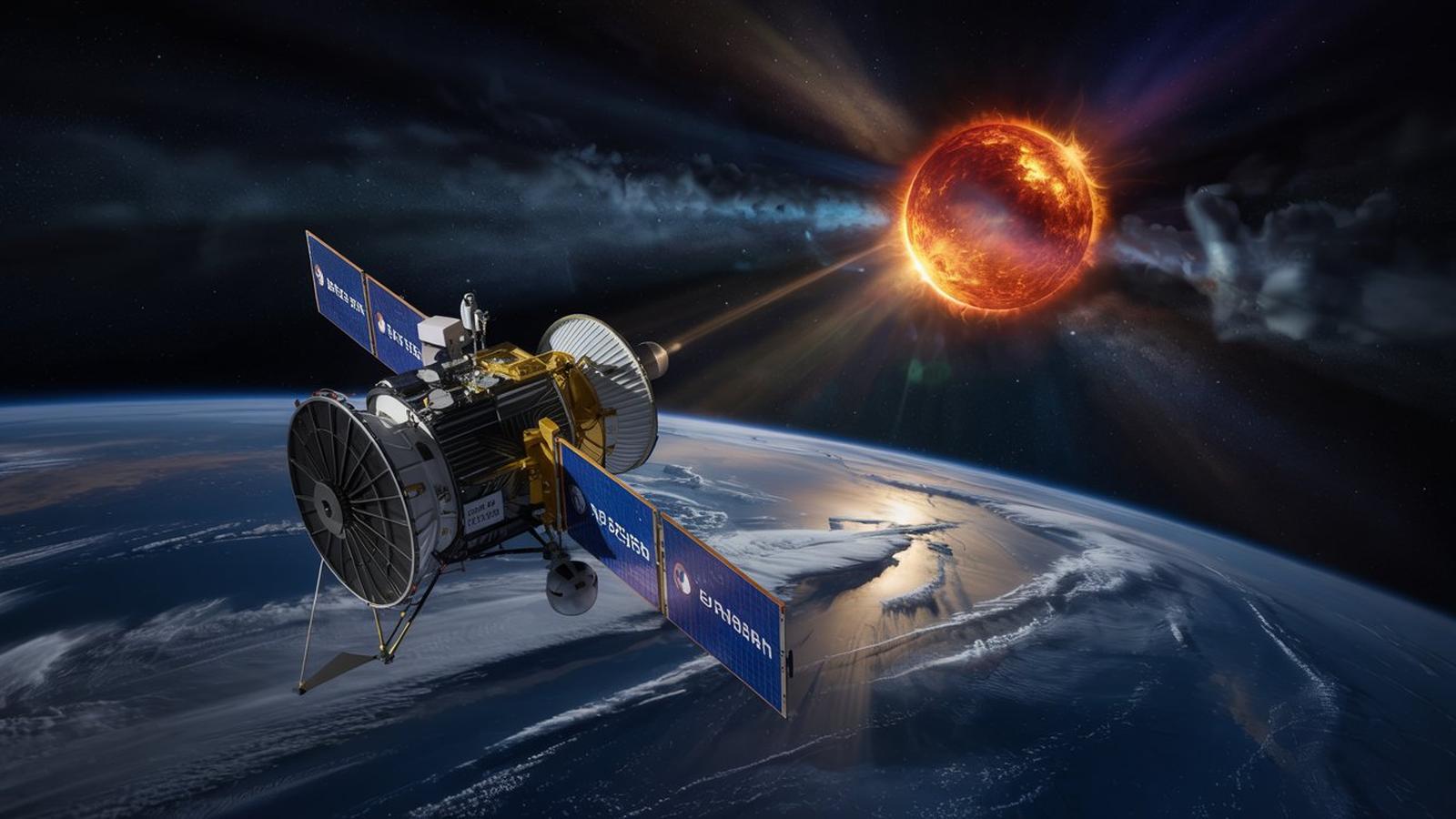
For four decades, heliospheric researchers have meticulously tracked solar activity, yet recent longitudinal studies suggest that the Sun is undergoing fundamental structural changes from the inside out. These shifts, observed through advanced helioseismology, indicate that the magnetic dynamo powering solar cycles is behaving in ways that deviate from historical precedents established in the late 20th century. As the primary driver of the Earth’s space weather environment, these internal modifications necessitate a re-evaluation of how we predict solar flares and coronal mass ejections (CMEs).
Strategic Stakes for Global Infrastructure
The implications of these findings extend far beyond academic interest; they sit at the heart of national and global security. Modern civilization is increasingly dependent on space-based assets, ranging from global positioning systems (GPS) to telecommunications and high-voltage power grids. Unlike the solar cycles of the past, the current trajectory of solar activity suggests a higher volatility that could potentially overwhelm existing mitigation strategies. Current research emphasizes that the lack of predictive accuracy regarding these deep-seated solar shifts poses a direct threat to the resilience of critical infrastructure. As solar magnetic fields fluctuate, the potential for geomagnetic disturbances—which can induce currents capable of damaging terrestrial transformers—remains a top-tier concern for policy makers and utility operators alike.
Methodological Shifts in Solar Research
The scientific community is moving toward a more integrated model of solar prediction, combining long-term climate data with real-time satellite observations. By synthesizing 40 years of archived data, researchers are better equipped to identify the patterns of the Sun’s internal “heartbeat.” This interdisciplinary approach is essential, as the reliance on historical averages is no longer sufficient to account for the current anomalies in solar magnetic polarity. The focus has shifted from merely observing surface-level sunspots to understanding the deep-convection zone dynamics that dictate the intensity of the solar cycle.
The convergence of these complex solar data points highlights the precarious nature of our technological dependence on an increasingly unpredictable star. As the internal mechanisms of the Sun continue to evolve, the capacity for robust, real-time forecasting will define the future of space-based security. Addressing these challenges requires not only continued investment in heliophysics but also a structural commitment to hardening global infrastructure against the inevitable geomagnetic events that follow such profound solar transitions.