

Quick Read
- Alaska Airlines is expanding nonstop routes from Seattle to major European cities.
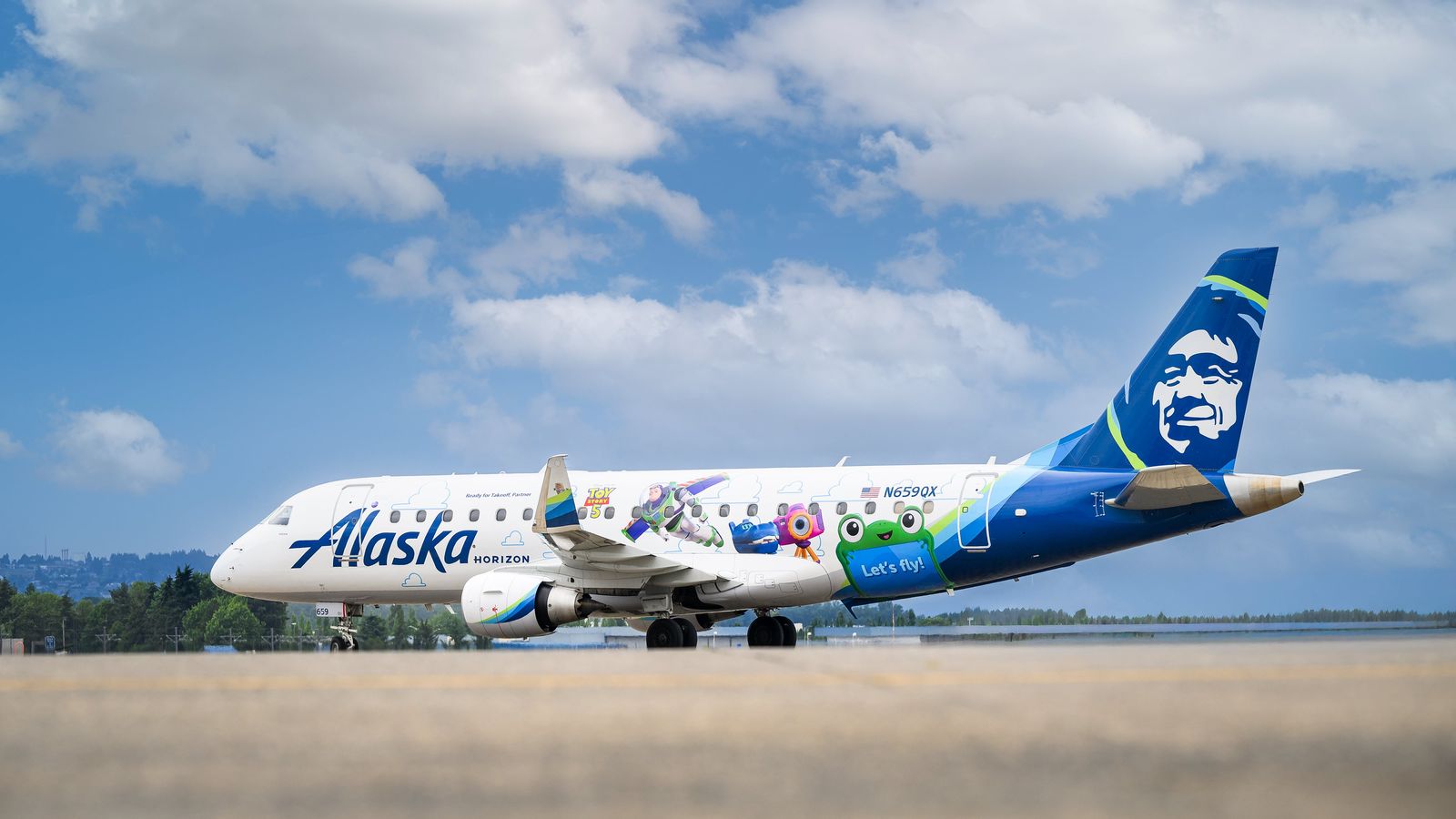
- The carrier is using branding partnerships, such as a ‘Toy Story 5’ aircraft, to drive customer engagement.
- Geopolitical instability remains a major factor requiring constant route adjustments.
Strategic Expansion and Operational Shifts
As the aviation industry enters the summer of 2026, Alaska Airlines is actively recalibrating its operational footprint. Recent data on nonstop connectivity confirms the airline’s commitment to vital international hubs, including increased service between Seattle and major European destinations such as London, Reykjavik, and Rome. These routes serve as critical connectors for North American travelers, mitigating the risks of transit-related disruptions that often plague multi-leg itineraries.
The airline’s growth strategy is not limited to capacity. In a move to deepen its brand resonance, Alaska Airlines recently unveiled a specialized Toy Story 5-themed aircraft. This initiative represents a broader trend among major carriers to utilize livery and cabin aesthetics as a tool for passenger engagement. Such branding exercises, while seemingly superficial, are essential for maintaining customer loyalty in a hyper-competitive domestic market where price sensitivity remains high.
Navigating Global Constraints
While Alaska Airlines focuses on growth, the broader aviation sector faces significant headwinds. The ongoing geopolitical instability in the Middle East continues to necessitate dynamic adjustments to international flight paths. Major carriers have been forced to monitor security environments continuously, leading to the suspension of various routes and the constant reassessment of long-haul safety protocols. For Alaska Airlines, the challenge lies in balancing its aggressive expansion into international markets with the necessity of maintaining operational flexibility in an unpredictable global landscape.
Furthermore, internal corporate shifts have highlighted the evolving labor and cultural standards within the industry. Recent reports regarding the banning of specific flight attendant practices underscore the increasing scrutiny on airline personnel conduct and brand representation. These internal policies, while often focused on individual cases, signal a tightening of corporate control over the ‘in-flight’ experience, which remains the primary product differentiation for legacy and major carriers in the post-pandemic era.
The convergence of these events suggests that Alaska Airlines is positioning itself as a resilient, customer-centric player. By diversifying its route portfolio to include high-demand European corridors and leveraging high-profile branding partnerships, the airline is attempting to insulate itself from pure commodity-based price competition. However, its long-term success will depend on its ability to navigate the volatile geopolitical environment that currently complicates international aviation, while simultaneously managing the internal cultural pressures that define the modern flight attendant role.