
Quick Read
- LEAP 71 and The Exploration Company have partnered to use AI-driven computational models for rocket engine design.
- The new engineering workflow compresses months of development into weeks by automating complex geometric generation.
- Industry experts emphasize that integrating advanced data science and computational tools is critical for long-term Mars mission viability.
The global aerospace industry is undergoing a fundamental transformation as firms move away from labor-intensive, manual design processes toward high-level, computationally generated engineering. This shift is highlighted by a new five-year partnership between Dubai-based LEAP 71 and the European venture The Exploration Company (TEC), which aims to accelerate the design of next-generation rocket propulsion systems.
Accelerating Propulsion Design Through Computation
Under the terms of the agreement, TEC will integrate LEAP 71’s Noyron RP platform into its internal engineering infrastructure. Unlike conventional software, Noyron RP acts as a large computational engineering model that embeds physical laws, manufacturing constraints, and feedback from physical tests directly into the design process. According to LEAP 71 CEO Josefine Lissner, this approach allows engineers to translate high-level performance targets into production-ready geometries, bypassing the bottlenecks that have traditionally slowed the aerospace sector.
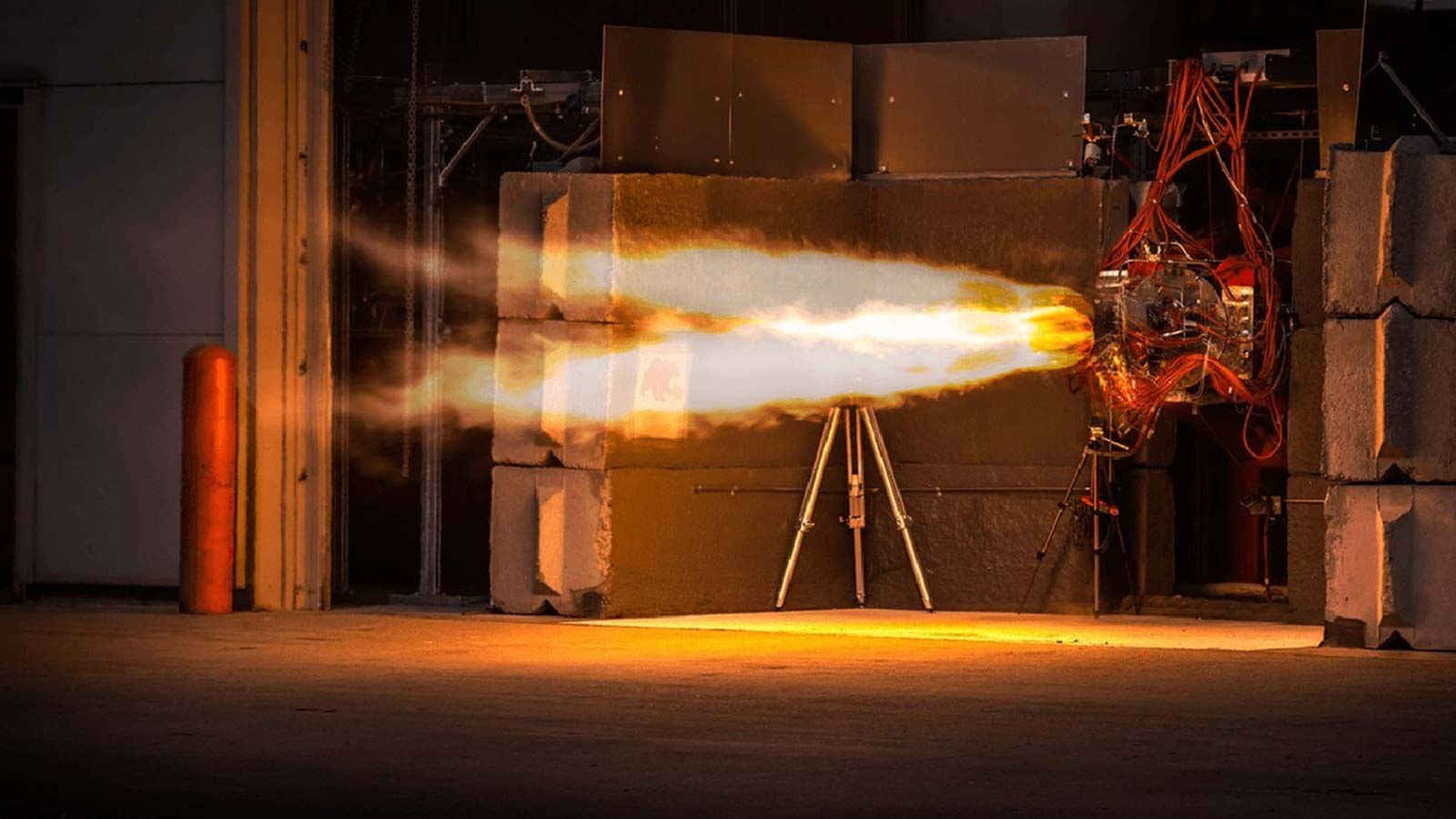
This methodology has already yielded tangible results. LEAP 71 recently produced the XRA-2E5, a 200 kN aerospike rocket engine, using a continuous 289-hour 3D-printing build. By utilizing AI-based design systems, firms are now compressing what were once months of iterative development into a cadence of mere weeks, a change that industry experts view as critical for the rapid deployment of reusable space hardware like TEC’s Nyx capsule.
The Growing Role of Science in Mission Planning
The push for computational efficiency arrives alongside a broader industry emphasis on integrating rigorous scientific inquiry into mission planning. As space agencies and private ventures look toward long-term goals like Moon-to-Mars transit, the ability to rapidly iterate on hardware is being matched by a need for deeper scientific data. Harvard physicist Christopher W. Stubbs notes that modern tools, including AI, are becoming essential accelerants for the computational domain of physics and astronomy. He highlights that the ability to process massive data streams—such as those from the Rubin Observatory—is transforming how researchers classify cosmic phenomena in real-time.
Stakes for Global Scientific Leadership
The integration of advanced software into the design loop is more than a technical upgrade; it is a strategic effort to maintain competitive speed in an era of renewed space exploration. As organizations like the Mohammed Bin Rashid Space Centre continue to emphasize science-based education and outreach, the success of these computational tools could determine the long-term viability of human activity on other planets. The ability to model complex environments and rapidly test propulsion architectures is now viewed as a prerequisite for sustained leadership in the global space economy.
The shift toward AI-integrated engineering represents a critical departure from legacy aerospace development, suggesting that the future of space exploration will be defined less by traditional manufacturing cycles and more by the speed and precision of computational design models.