


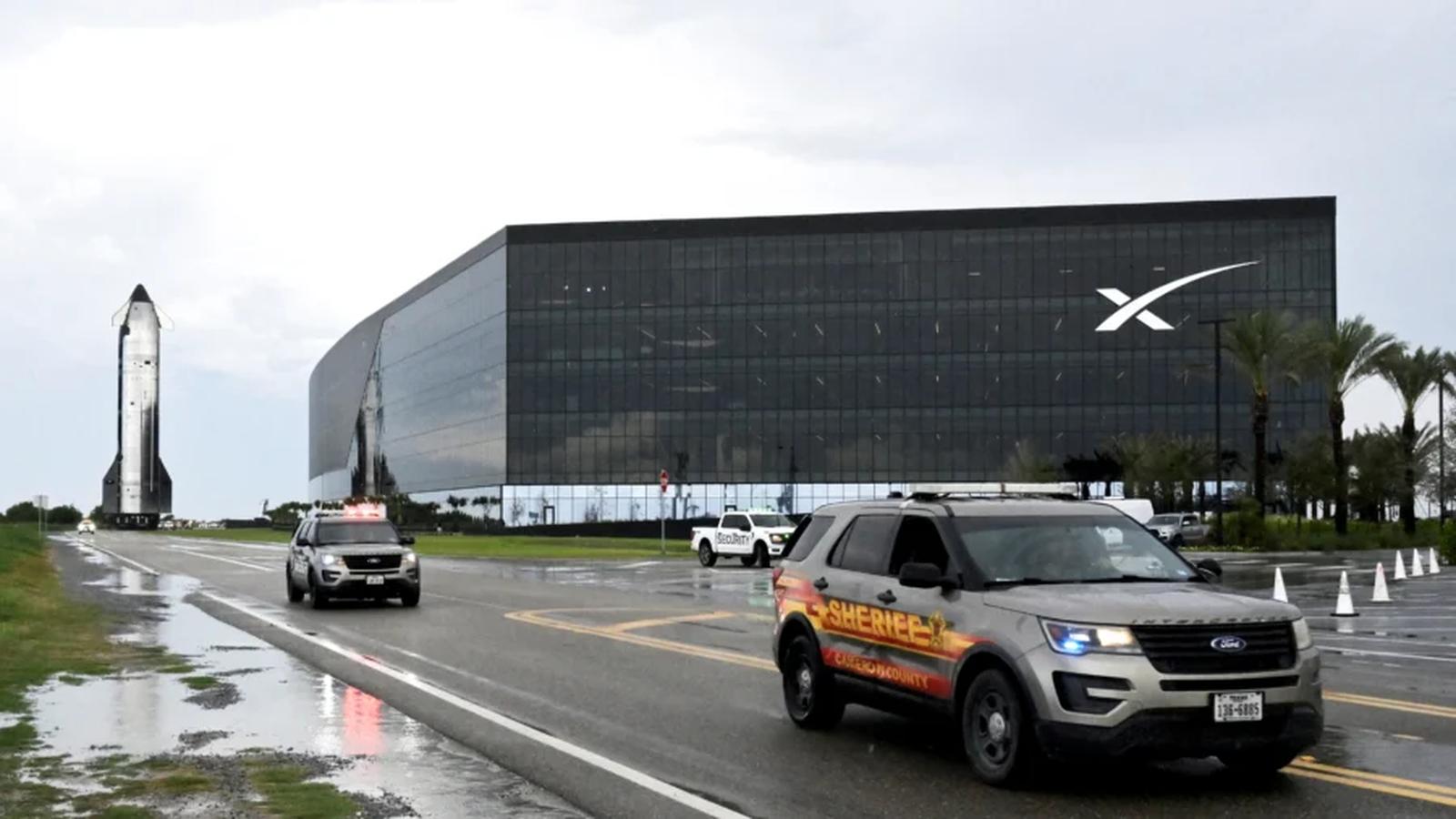
On November 12, 2026, Elon Musk’s The Hill reported that SpaceX officially unveiled a multi-billion-dollar infrastructure initiative totaling more than $74 billion to construct two large-scale artificial intelligence data centers and supercomputing campuses in Texas and Arizona. The ambitious expansion marks a significant operational pivot for the aerospace manufacturer into terrestrial supercomputing, combining massive AI training facilities with dedicated energy investments, regional utility upgrades, and technologies aimed at supporting future space-based computing architectures.
The initiative divides its massive capital allocation across two distinct regional strategies. The first project, representing an investment of up to $24 billion, is slated for SpaceX-owned property near Starbase and the Port of Brownsville in the Rio Grande Valley of South Texas. The second project involves a roughly $50 billion supercomputing campus in Cochise County, Arizona, a rural area east of Tucson. According to industry analyses published by Converge Digest, the twin developments are projected to generate over 8,500 construction jobs and more than 1,500 permanent operational positions once completed.
Infrastructure Strategies and Power Frameworks
The two campuses diverge significantly in how they handle critical infrastructure, particularly regarding electrical power generation and environmental resource management. In South Texas, SpaceX proposes an independent power approach where the facility will generate its own electricity, bypassing the public grid entirely. Local reporting indicates this independent setup includes plans for a dedicated gas-fired power plant, with local municipal tax agreements scheduled for regulatory consideration in December.
Water resource allocation forms another core pillar of the Texas development. SpaceX has committed $220 million to expand regional water and wastewater infrastructure, which includes $40 million already provided. The infrastructure upgrades are designed to add approximately 20 million gallons per day of additional capacity, split between 8 million gallons from potable reuse and 12 million gallons from brackish-water treatment on roughly 444 acres of privately owned land disannexed from Brownsville.
Arizona Cooperative Model and Regional Stakes
By contrast, the Cochise County project in Arizona takes a cooperative approach rather than relying on independent on-site generation. SpaceX is collaborating with local electric cooperatives to integrate existing renewable resources and regional grid infrastructure. According to company statements highlighted in industry briefings, this cooperative framework could potentially reduce electricity bills for regional cooperative members by as much as 20 percent.
Furthermore, the Arizona installation plans to utilize dry cooling technology, meaning no industrial groundwater consumption or new wells are currently planned for the desert campus. While the Arizona project requires substantial regulatory and local approvals before breaking ground, the Texas site is already moving forward with tangible construction activity, having generated more than 3,000 construction jobs and targeted over 500 permanent roles for its initial phase.
Broader Technological Ambitions and Unresolved Details
Beyond immediate terrestrial computing capacity, SpaceX frames the Brownsville campus as a vital testing ground for technologies that could eventually inform orbital data center designs. However, the company has not yet detailed the technical link between its ground-based supercomputing systems and a prospective space-based architecture.
Additionally, SpaceX has kept key technical specifications private. The November 12 announcements did not disclose exact electrical capacity figures for either campus, nor did they name specific hardware suppliers for artificial intelligence accelerators, networking architecture, or final commissioning schedules. As local communities weigh the economic benefits against resource consumption, the multi-billion-dollar buildout remains one of the largest private infrastructure commitments in recent tech sector history.