


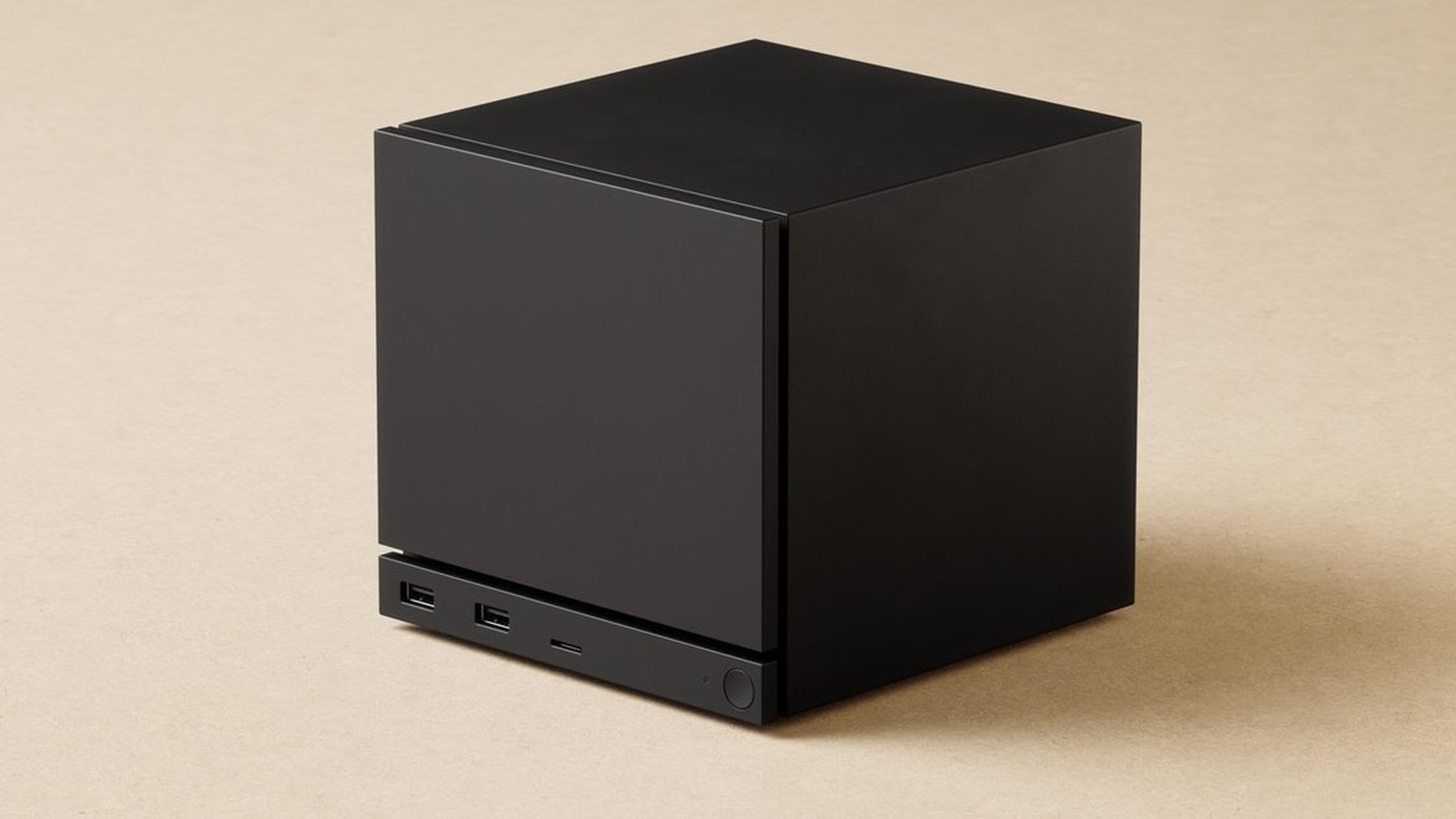
Valve’s highly anticipated return to the living room with the Steam Machine is encountering significant economic headwinds as the company reevaluates its launch strategy for 2026. While the device remains on track for a release this year, Valve has officially signaled that the ongoing global memory pricing crisis—a phenomenon industry insiders have dubbed ‘RAMageddon’—is forcing a critical review of the console’s final retail cost.
Market Pressures and Component Scarcity
The core of the challenge lies in the surging demand for DRAM and NAND modules, which are currently being prioritized by data center operators to support the rapid expansion of artificial intelligence infrastructure. This scarcity has caused the cost of system memory and SSD components to skyrocket. According to reports, manufacturers like Micron have shifted focus toward enterprise contracts, leaving consumer-facing hardware projects like the Steam Machine to contend with both limited availability and inflated component prices.
Valve previously expressed an ambition to position the Steam Machine as a competitively priced alternative to entry-level gaming PCs. However, the company has confirmed that it is now revisiting its shipping schedule and pricing model to account for these volatile market conditions. For prospective buyers, this means that while the hardware design is finalized, the final price tag remains a subject of internal adjustment rather than a locked figure.
Hardware Specifications and Performance Targets
Despite the pricing uncertainty, the Steam Machine is positioned as a significant performance leap over the handheld Steam Deck. Valve has stated the device will feature over six times the horsepower of its portable counterpart, utilizing a semi-custom AMD Zen 4 processor and an RDNA3-based GPU. The system is designed to target 4K gaming at 60 frames per second, supported by 16GB of DDR5 system memory and 8GB of dedicated GDDR6 VRAM.
Technical specifications released during the GDC Festival of Gaming highlight the device’s versatility. It is built around SteamOS 3, offering a console-like interface that retains the flexibility of a traditional PC. Users will be able to exit the standard interface into a full desktop environment, allowing for the installation of third-party store launchers and software, effectively bridging the gap between a locked-down console and an open-platform PC.
Ecosystem Integration and Future Outlook
The launch of the Steam Machine is part of a broader hardware initiative that includes the redesigned Steam Controller and the Steam Frame VR headset. Valve’s strategy emphasizes a cohesive ecosystem where the same library of games can be accessed across various form factors. At GDC 2026, the company clarified its ‘Steam Machine Verified’ requirements, which are designed to ensure that a vast library of games—including those already verified for the Steam Deck—will run seamlessly on the new hardware.
The necessity for Valve to recalibrate its pricing strategy reflects a broader industrial vulnerability where consumer electronics are increasingly sidelined by the massive capital expenditure of AI data centers, suggesting that the era of accessible, high-performance gaming hardware may become tethered to the fluctuations of the global semiconductor market for the foreseeable future.