
Quick read
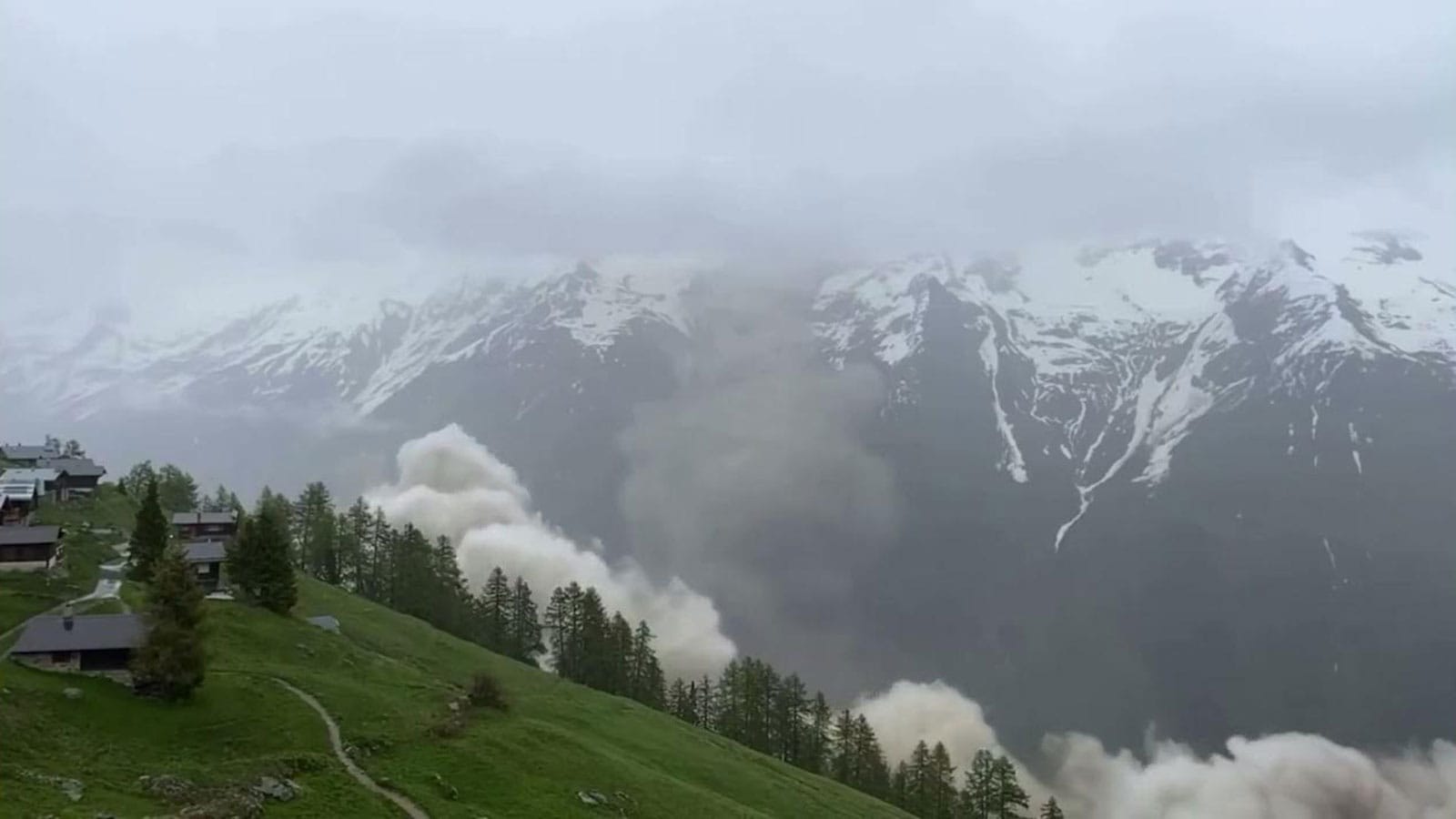
- A glacier collapse in the Swiss Alps buried most of the village of Blatten under mud and rock.
- The village had been evacuated earlier due to the risk of a rockslide.
- One person remains missing following the incident.
- Experts are investigating the role of climate change in the collapse.
- The mayor has vowed to rebuild the devastated village.
What caused the glacier collapse in the Swiss Alps?
A massive glacier collapse in the Swiss Alps has devastated the village of Blatten, located in the Loetschental valley in southern Switzerland. According to Reuters, a large chunk of ice broke off, sending millions of cubic meters of rock, mud, and debris cascading into the valley below. The incident occurred after geologists had identified the risk of a potential rockslide earlier this month, prompting the evacuation of Blatten’s 300 residents on May 19. Despite the precautionary measures, one individual remains unaccounted for.
The glacier collapse was preceded by the crumbling of the mountainside behind it, which experts say played a critical role in the event. Drone footage aired by Swiss national broadcaster SRF revealed the sheer scale of the disaster, with the village almost entirely submerged under mud and rubble. Local spokesperson Matthias Ebener described the scene as an “unbelievable amount of material thundering down into the valley.”
How much of the village was affected?
Blatten has been left almost unrecognizable. Approximately 90% of the village is now buried under debris, according to local official Stephane Ganzer, as reported by Reuters. The destruction includes homes, buildings, and vital infrastructure, leaving residents grappling with the loss of their community. Mayor Matthias Bellwald expressed his sorrow, stating, “We’ve lost our village, but we will rebuild.”
Swiss President Karin Keller-Sutter extended her solidarity to the affected residents, acknowledging the emotional toll of losing one’s home. Emergency services have declared the area hazardous, urging people to stay away and sealing off the main road leading into the valley.
Images and videos shared on social media further highlight the extent of the devastation. Shattered wooden structures and other remnants of the village lie scattered across the muddy landscape, a stark reminder of the disaster’s magnitude.
What role did climate change play in the collapse?
The glacier collapse has reignited discussions about the impact of climate change on the stability of mountain ecosystems. While the precise role of rising temperatures remains uncertain, experts suggest it may have contributed to the event. Christian Huggel, a professor of environment and climate at the University of Zurich, told Reuters that local permafrost—critical for maintaining mountain stability—has been affected by warmer temperatures in the Alps. The loss of permafrost can lead to increased instability in mountain rock, potentially triggering events like the one in Blatten.
However, Huggel cautioned that the collapse was influenced by multiple factors, including the geological conditions of the mountainside. Further studies are required to determine the extent to which climate change played a role in this particular disaster.
What is the path forward for Blatten?
Despite the overwhelming destruction, the residents of Blatten are determined to rebuild their village. Mayor Matthias Bellwald has pledged to restore the community, emphasizing resilience in the face of adversity. However, the road to recovery will be long and challenging, given the scale of the damage.
Authorities continue to monitor the affected area closely, ensuring the safety of residents and rescue workers. The search for the missing individual remains a priority, although officials have not released further details about the person.
In the meantime, the disaster serves as a somber reminder of the vulnerabilities faced by mountain communities in the era of climate change. As researchers delve deeper into the causes of the collapse, the lessons learned may help prevent similar tragedies in the future.
The glacier collapse in Blatten highlights the intersection of natural disasters and climate change, underscoring the need for global action to address environmental challenges. As the village begins its journey toward recovery, the resilience of its people offers a beacon of hope amid the rubble.