


The Rubber Match: A Test of Consistency at Tropicana Field
The Tampa Bay Rays (29-15) enter Sunday’s contest against the Miami Marlins (21-25) with more than just a series victory at stake. As the current leaders of the American League East, the Rays are operating under the intense pressure of maintaining a competitive margin in baseball’s most grueling division. The 12:15 p.m. ET matchup at Tropicana Field represents a critical juncture for a team that has successfully leveraged its deep developmental system to offset a growing list of veteran absences. With the series currently deadlocked at 1-1, the Rays turn to Drew Rasmussen (3-1, 3.16 ERA) to anchor a rotation that has been significantly thinned by long-term injuries.
Managing the Injured List: The Fraley Hernia and Roster Adjustments
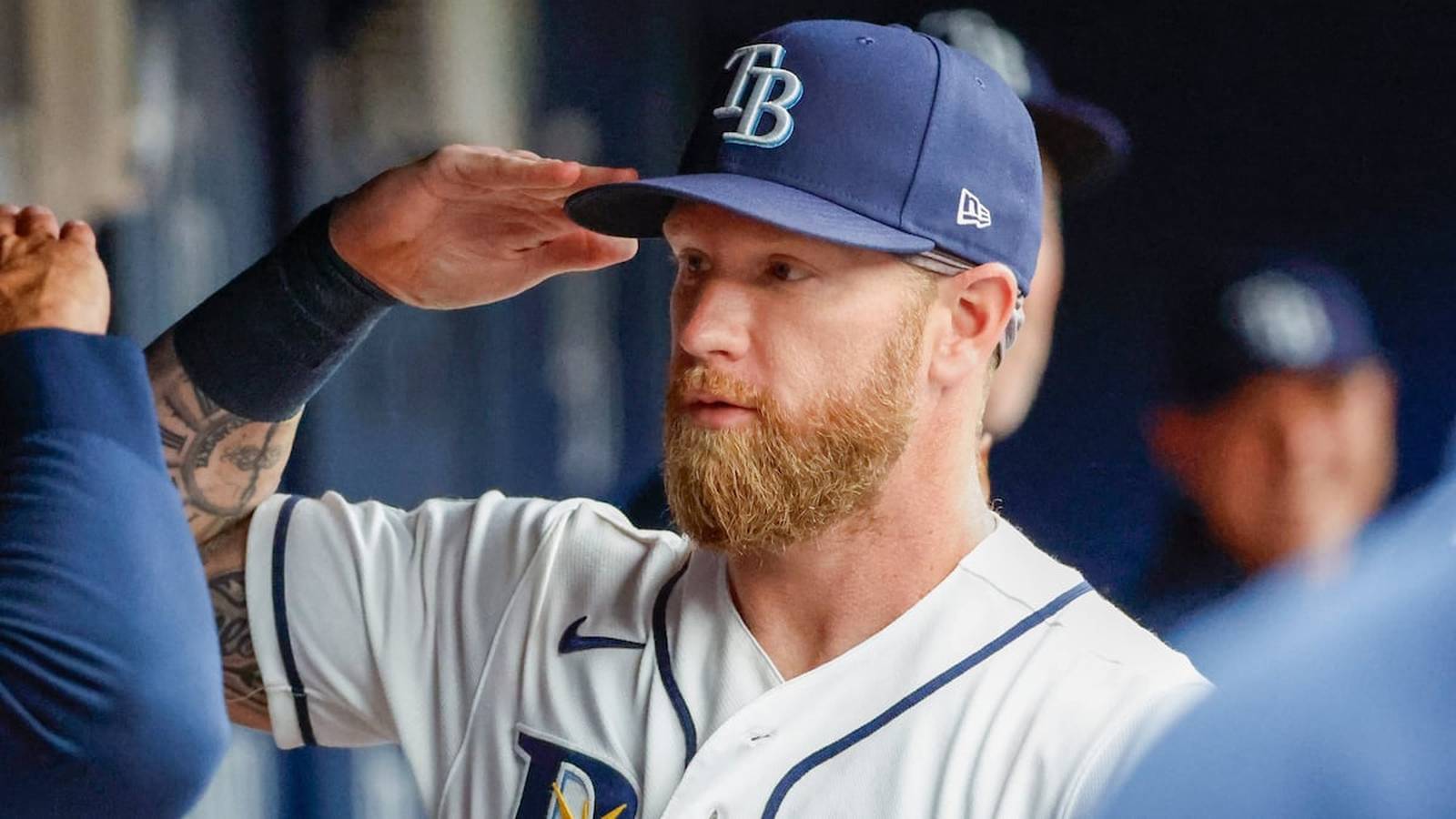
The institutional stability of the Rays is being tested by the latest addition to the Injured List: outfielder Jake Fraley. Diagnosed with a hernia that likely necessitates a minimum six-week recovery period, Fraley’s absence removes a key left-handed bat from the lineup. Fraley, an offseason acquisition intended to provide veteran stability, had posted a .690 OPS through 28 games. His sudden departure forced immediate tactical shifts, including the elevation of Jonny DeLuca and a redistribution of defensive responsibilities.
This injury highlights a broader systemic challenge for Tampa Bay. The organization currently has eight pitchers on the 60-day or 15-day IL, including high-leverage arms like Ryan Pepiot and Steven Matz. The cumulative impact of these absences places an extraordinary burden on the active roster and the front office’s ability to identify internal solutions. The Rays’ ‘Next Man Up’ philosophy is no longer a luxury but a fundamental requirement for survival at the top of the standings.
The Carson Williams Factor: Prospect Integration Under Pressure
In response to Fraley’s injury and the lack of healthy left-handed outfielders in Triple-A Durham, the Rays are signaling the promotion of Carson Williams. Williams, primarily a shortstop, represents the high-upside future of the franchise, but his integration into the major league roster comes with significant risk. Having struggled in a brief stint earlier this season—batting just .130—Williams returns to the big leagues after finding some rhythm in Durham, where he posted a .751 OPS.
The decision to call up Williams suggests a tactical pivot by manager Kevin Cash. By utilizing Richie Palacios more frequently in the outfield, the Rays can slot Williams into various infield roles, leveraging his defensive versatility. However, the high strikeout rate (43 strikeouts in 122 plate appearances at Durham) remains a point of concern for analysts. The Rays are betting on Williams’ athleticism to provide a spark, even as they acknowledge the developmental hurdles he still faces against Major League pitching.
Statistical Anchors: The Rise of Caminero and Aranda
While the roster remains in flux, the Rays’ offensive production has been sustained by the emergence of Junior Caminero and Jonathan Aranda. Caminero, hitting .253 with 11 home runs, has established himself as one of the premier power threats in the American League. His ability to drive in runs (21 RBIs) while maintaining a respectable walk rate (10.9%) provides the middle of the order with necessary gravity. Similarly, Jonathan Aranda’s .855 OPS and 34 RBIs rank him among the league leaders in run production efficiency. These young core players are currently the primary engines of the Rays’ success, compensating for a pitching staff that is effectively a patchwork of available talent.
Conversely, the Miami Marlins enter the rubber match as underdogs, relying on Eury Perez (2-5, 4.94 ERA) to contain the Rays’ high-powered offense. Despite their fourth-place standing in the NL East, the Marlins have found bright spots in players like Liam Hicks, who leads the MLB with 40 RBIs. The statistical disparity between the two teams underscores the Rays’ superior depth, yet the volatility of a single-game rubber match leaves little room for error.
The Tampa Bay Rays’ current trajectory serves as a case study in institutional resilience. By prioritizing defensive versatility and maintaining a high-velocity pipeline from Triple-A, the organization has insulated itself against a catastrophic injury cycle that would likely derail a less disciplined franchise. The promotion of Carson Williams is a calculated gamble that emphasizes the team’s commitment to internal development over reactive external acquisitions. As the AL East race intensifies, the Rays’ ability to extract major-league value from high-ceiling prospects will determine whether they can sustain their lead or if the mounting physical toll on their roster will finally force a regression.