
Quick Read
- A professional marathon runner evaluated Tom Cruise’s on-screen sprinting, confirming he possesses strong natural form for high-intensity, short-distance scenes.
- The analysis distinguishes between Cruise’s effective ‘sprint’ mechanics and the different requirements of long-distance, steady-state endurance running.
- Cruise’s dedication to physical performance remains a central component of his career, echoing his long-standing commitment to performing his own stunts.
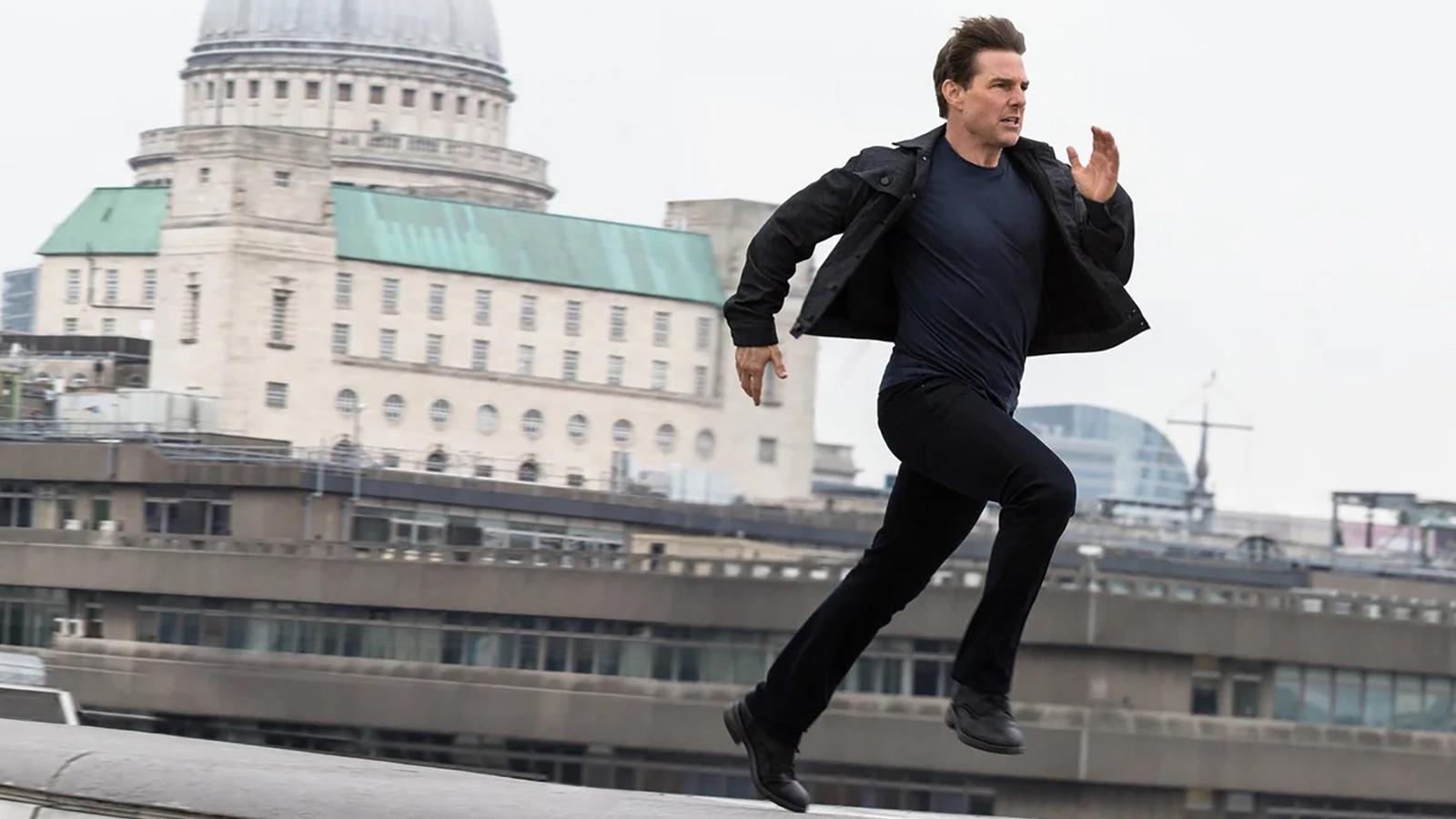
Tom Cruise’s on-screen sprinting has become a defining trademark of his decades-long career, but a fresh technical assessment from a professional endurance athlete is challenging fans to look closer at the star’s mechanics. As of late April 2026, the discussion regarding Cruise’s running form has gained traction, following an expert breakdown that separates his cinematic style from traditional athletic training.
Analyzing the Mechanics of the Ethan Hunt Sprint
Jeremy Miller, an accomplished athlete who has competed in events ranging from half-marathons to 100-mile endurance races, recently evaluated Cruise’s performance in his high-stakes action sequences. According to Miller, while Cruise demonstrates clear natural aptitude as a sprinter, his form is distinctively tailored for film rather than sustained long-distance efficiency. The analysis highlights that Cruise, now 63, maintains a high level of fitness that allows him to execute intense, short-duration running sequences that look both natural and visually compelling on screen.
The critique notes that Cruise’s form is characterized by strong arm drive and effective knee lift, which are essential components of high-performance sprinting. Miller points out that unlike typical Hollywood “training montages” where actors often display clunky or inefficient cadences, Cruise manages to maintain a consistent intensity that avoids the “uncomfortable” or “painful” aesthetic often associated with poor running form.
Cinematic Performance Versus Athletic Reality
While Cruise excels at the “fully opened up” sprinting required for his action-heavy roles, the expert assessment clarifies that this style differs significantly from marathon running. The primary distinction lies in cadence and intent; Cruise is often filmed sprinting away from high-stakes scenarios, such as explosions, which necessitates a different physiological approach than steady-state endurance running. Miller suggests that while Cruise’s technique is “dialed in” for his specific needs, it remains fundamentally different from the fluid, rhythmic motion required for long-distance events.
Legacy of Action and Behind-the-Scenes Intensity
The spotlight on Cruise’s physical dedication comes as audiences revisit his broader filmography, including earlier works like 1990’s Days of Thunder. The NASCAR-focused drama, which recently saw renewed interest, serves as a testament to the actor’s insistence on performing his own stunts and pushing physical boundaries. His collaboration with director Tony Scott during that period was defined by a shared obsession with “dangerous” filmmaking, a philosophy that has carried through to his current, highly demanding action sequences in the Mission: Impossible franchise.
The ongoing scrutiny of Cruise’s physical performance underscores the actor’s rare commitment to maintaining an authentic, high-impact presence on screen, suggesting that his enduring status as an action star is rooted as much in his physiological discipline as in his narrative choices.