


The Barcelona Incident: Legal and Institutional Implications
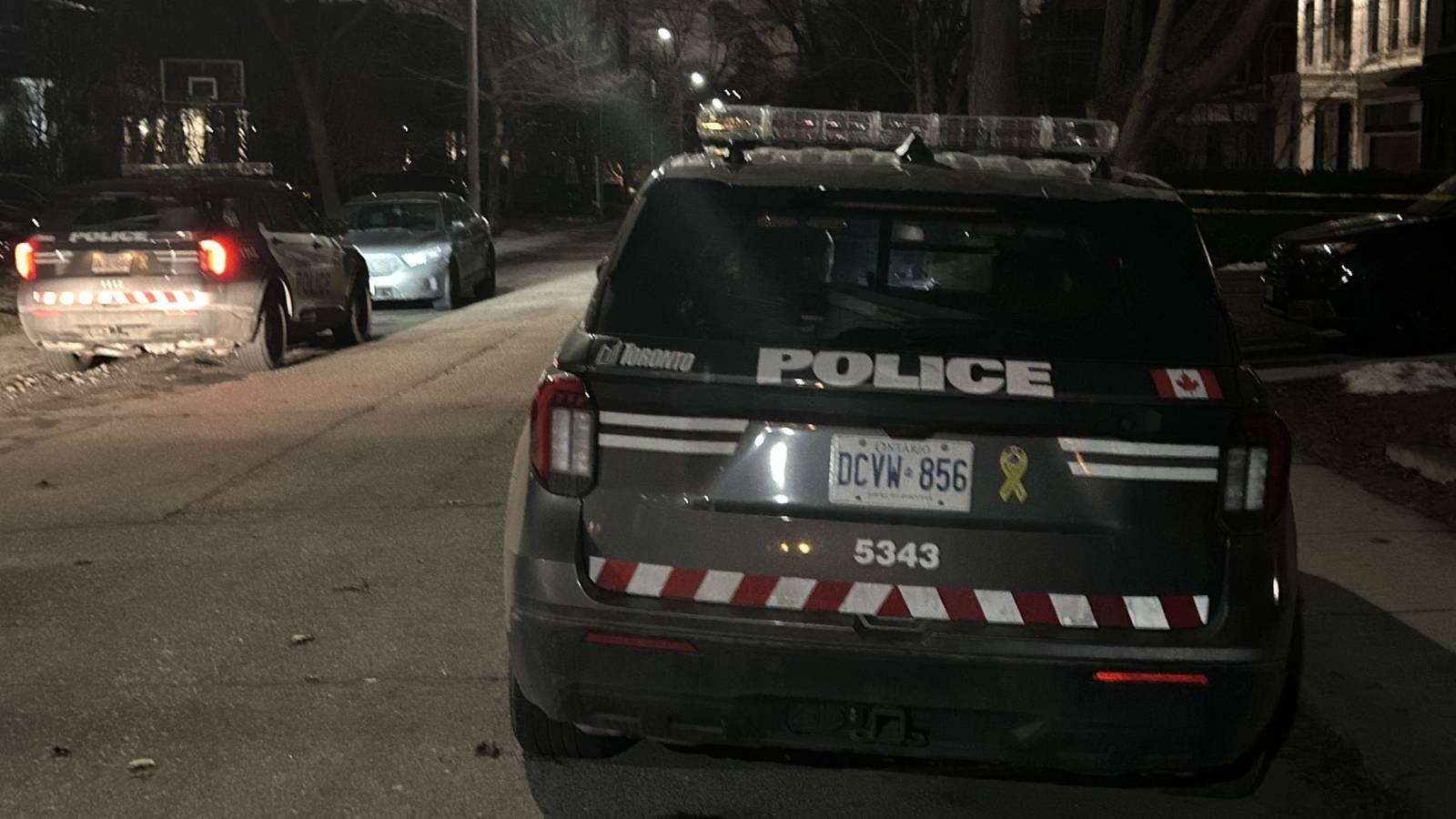
The Toronto Police Service (TPS) finds itself at the center of a burgeoning international scandal following the arrest of three off-duty officers in Barcelona, Spain. Constables Evan Glennie, Rich Rand, and Calgar Yigit were taken into custody by the Mossos d’Esquadra, the autonomous police force in Catalonia, following allegations involving the sexual assault and physical injury of a sex worker. The incident, which reportedly occurred in the Ciutat Vella district, has triggered a swift disciplinary response from Toronto authorities, though it also raises complex questions regarding extra-jurisdictional accountability and the reputation of Canada’s largest municipal police force.
According to reports from Europa Press, the encounter allegedly took place within a taxi. The specific charges levied against the three men vary by individual: one officer faces allegations of sexual assault, another is accused of physical assault after the victim resisted, and the third is implicated as an accessory in the vehicle. The victim required medical attention, underscoring the severity of the alleged encounter. While legal proceedings in Spain remain in their preliminary stages, the Toronto Police Service has confirmed that the officers were abroad for a personal trip, reportedly to attend a soccer tournament.
The Community Safety and Policing Act and Disciplinary Protocols
In response to the arrests, the TPS has initiated formal suspension procedures. Under the Community Safety and Policing Act (CSPA), the Chief of Police has the authority to suspend officers facing serious criminal allegations. Stephanie Sayer, a spokesperson for the Toronto Police, confirmed that the officers are being suspended as they return to Canada. The service has categorized the allegations as “serious,” though it has refrained from providing granular detail due to the ongoing nature of the judicial process in Spain.
The application of the CSPA in this context highlights the tension between off-duty conduct and professional standards. While the officers were not acting in any official capacity, the nature of the charges—specifically sexual assault—strikes at the core of the public trust required for police legitimacy. The Toronto Police Association has declined to comment, citing the personal nature of the off-duty incident, a stance that is standard for labor organizations but often perceived as an obstacle to transparency by the public.
A Pattern of Institutional Scrutiny
The Barcelona incident does not exist in a vacuum. It follows a series of reputational challenges for the Toronto Police Service throughout 2026. In February, the force was rocked by ‘Project South,’ an investigation led by York Regional Police that resulted in criminal charges against ten current and former TPS members related to organized crime and corruption. Furthermore, the Toronto Police Service Board has recently moved to call for an “independent inspection” into systemic issues, including allegations of antisemitism within the ranks brought to light by former inspector Hank Idsinga.
The cumulative effect of these events is a crisis of confidence. When police officers engage in criminal behavior—whether domestic or international—the institutional response is often measured against the standards of the community they are sworn to protect. As the officers return to Canada to face the domestic implications of their actions, the TPS will likely face increased pressure to demonstrate that its internal accountability mechanisms are sufficient to address what appears to be a systemic failure in maintaining professional conduct among its ranks. The path forward will require not only legal resolution but a fundamental reassessment of the culture that allows such high-profile lapses in judgment to occur repeatedly.