


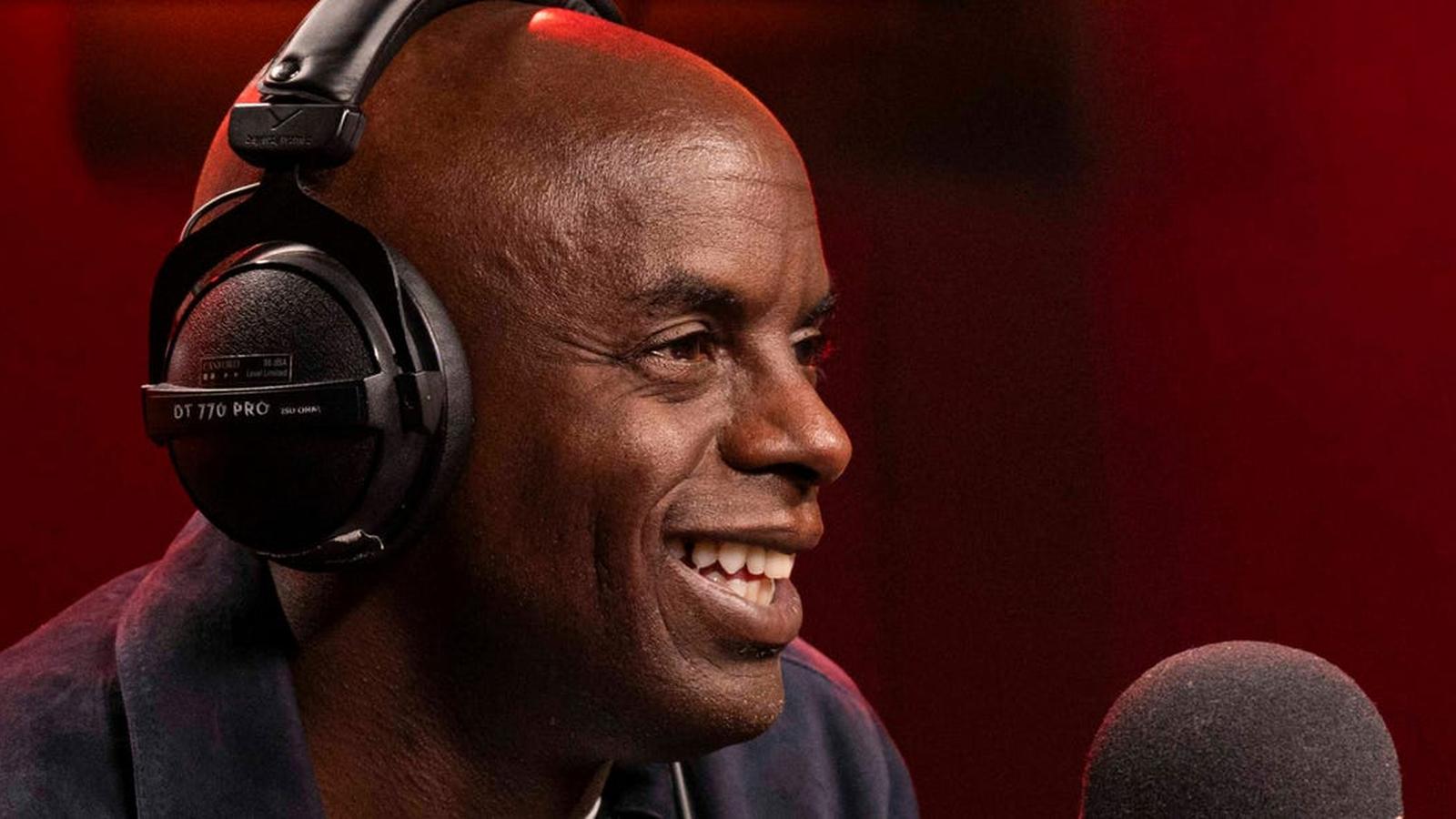
Prominent BBC broadcaster Trevor Nelson has announced a temporary departure from his radio commitments to prioritize his health. The 62-year-old DJ, a fixture on BBC Radio 2 and 1Xtra, confirmed he is stepping away from his weekday afternoon show and Sunday slot following a series of medical tests.
Nelson, who recently celebrated 30 years with the BBC, addressed his listeners via social media, stating: “After a routine check-up I was advised to have some follow-up tests. As a result, I will be taking some further time off.” While he did not disclose specific details regarding his diagnosis, he emphasized the importance of focusing on his recovery, noting that he is “concentrating on getting better” to return to his professional duties.
Industry and Peer Response
The announcement has triggered a significant wave of support from across the UK music and broadcasting sectors. Notable figures including Stormzy, Beverley Knight, Alesha Dixon, and fellow BBC presenters such as Lauren Laverne and Zoe Ball have publicly shared messages of encouragement. Broadcaster Vernon Kay paid tribute to Nelson on his own Radio 2 show, describing him as a “stalwart” of the industry and expressing optimism for his return.
This support follows a high-profile week for Nelson, who received a special recognition award at the Television and Radio Industries Club (TRIC) Awards, highlighting his long-standing influence on UK music culture.
Broadcasting Continuity
The BBC has confirmed interim arrangements to ensure continuity for his listeners. Clara Amfo is scheduled to cover his weekday afternoon show from June 29 through July 3, with DJ Spoony taking over the slot from July 6 until further notice. Despite his absence from live broadcasting, listeners can still hear his recent work, including the “The Music Is Black” concert recorded at the Hackney Empire.
Analysis: A Legacy in Transition
Trevor Nelson’s influence on British broadcasting extends far beyond his current Radio 2 slot. As an early champion of R&B, soul, and hip-hop in the UK—having transitioned from pirate radio roots at Kiss FM to his foundational role at Radio 1 and subsequently Radio 2—he has been instrumental in mainstreaming urban music. His career trajectory reflects the evolution of the BBC’s relationship with diverse musical genres, positioning him as both a cultural gatekeeper and a bridge between underground scenes and national audiences.
The rapid and widespread support from his peers underscores his role as a unifying figure within the industry. In an era where radio personalities are increasingly defined by their digital footprint and institutional longevity, Nelson’s “stalwart” status is rare. His decision to pause his career underscores the ongoing challenge of maintaining high-intensity media roles, a reality acknowledged by fellow broadcasters who have urged him to prioritize his well-being over professional continuity. As the BBC manages the temporary transition, the focus remains on the preservation of a career that has defined the sound of modern British radio for three decades.