


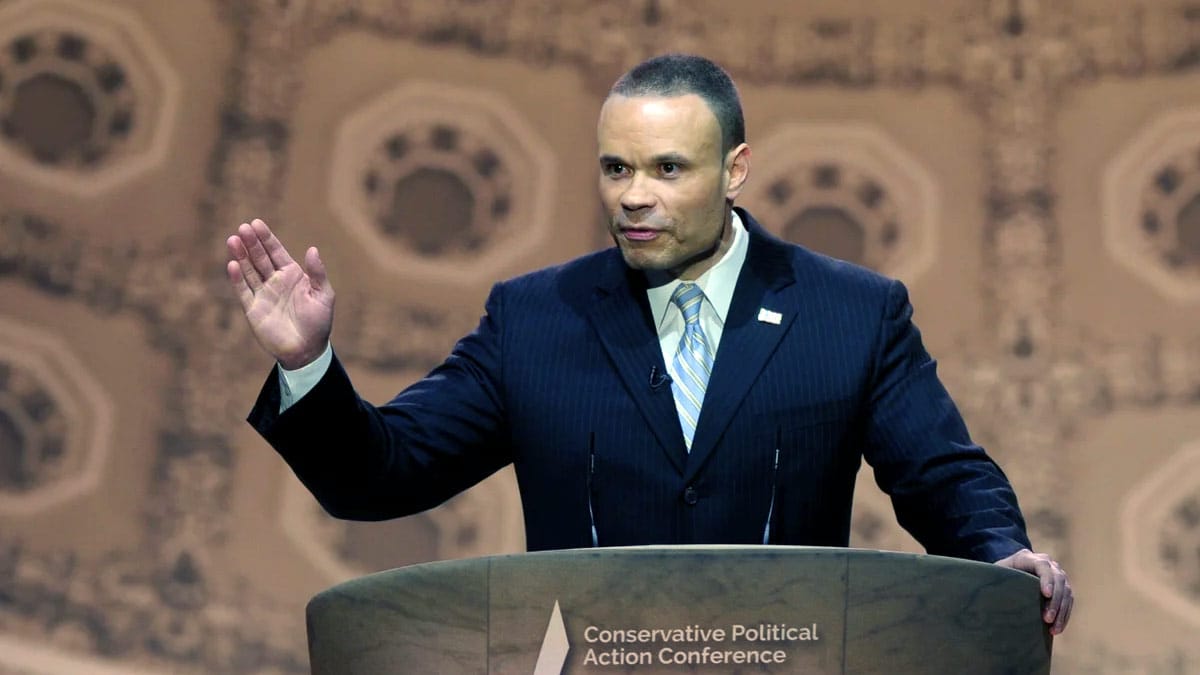
In a move that has sparked widespread discussion across political and media circles, President Donald Trump has appointed rightwing podcaster Dan Bongino as the deputy director of the Federal Bureau of Investigation (FBI). This article offers a rigorous, evidence-based analysis of the appointment’s implications for U.S. federal law enforcement, democratic governance, and the political landscape at large.
Key Takeaways:
- Dan Bongino—a media influencer known for his rightwing commentary and conspiracy theory discussions—has been named FBI deputy director
- His appointment reflects the Trump administration’s emphasis on reshaping federal law enforcement through political allies
- The move raises concerns about potential politicization of a traditionally career-based institution
- Broader implications include shifts in media influence, internal agency dynamics, and impacts on democratic accountability
Background: The Appointment of Dan Bongino
Dan Bongino, a former Secret Service agent turned media personality, has built his reputation through his daily podcast where he frequently promoted President Trump and questioned established narratives. His vocal stance during critical moments—ranging from the 2020 election outcome to the Capitol attack—helped galvanize a segment of the electorate. By appointing Bongino as FBI deputy director, Trump appears to be reinforcing an agenda that intertwines media influence with law enforcement leadership.
Such a move challenges the traditional model wherein career agents predominantly hold leadership positions in federal institutions. This decision also emerges in the context of an ongoing debate over political neutrality and accountability within U.S. federal agencies.
Political Implications and Institutional Impact
The appointment of Dan Bongino as FBI deputy director is significant not only for its immediate political symbolism but also for its long-term implications on the institutional integrity of U.S. law enforcement. Traditionally, the role of FBI deputy director is filled by experienced career agents whose expertise is built on years of institutional service. By placing a prominent political supporter and media influencer in this role, the administration risks blurring the lines between impartial law enforcement and political advocacy.
This decision has sparked debates among political analysts and experts who warn that such politicization might erode public trust in federal institutions. It may also encourage a trend where law enforcement agencies become more aligned with particular political ideologies, thereby undermining the neutrality essential for democratic accountability.
Media Influence and the Role of Conspiracy Theories
Dan Bongino’s career has been closely intertwined with modern media dynamics. His podcast not only served as a platform for political commentary but also became a medium for spreading alternative narratives and conspiracy theories—particularly those concerning the 2020 election and the Capitol attack. His role as a media influencer has enabled him to mobilize a significant audience, which in turn has shaped public opinion and political discourse.
This appointment can be seen as a reinforcement of media influence on governmental institutions. By integrating a prominent voice from the media sphere into the leadership of a critical federal agency, the administration sends a message regarding its trust in unconventional channels of political communication. However, critics argue that this move could exacerbate the already fragile boundaries between objective governance and partisan propaganda.
Impact on Federal Law Enforcement and Institutional Neutrality
The traditional structure of the FBI has long relied on a professional hierarchy maintained by career agents. With Bongino’s appointment, there is a potential risk of politicizing the role of law enforcement leadership. Critics argue that such a move may undermine the impartiality of the FBI, potentially influencing operational decisions and compromising the agency’s ability to enforce the law without bias.
This shift could have far-reaching consequences, as it raises questions about the balance between political loyalty and professional expertise in federal institutions. An institution tasked with protecting democratic values and ensuring public safety must be insulated from overt political pressures. Maintaining this balance is essential for the legitimacy of federal law enforcement agencies.
Broader Implications for Democratic Governance and the Rule of Law
The appointment of a political ally to a traditionally non-political post within a critical law enforcement agency raises fundamental questions about democratic governance and the rule of law. By inserting a figure known for propagating partisan viewpoints into the leadership of the FBI, the administration risks compromising the institutional independence that is vital for upholding the principles of justice and accountability.
This decision is likely to fuel debates among scholars and policy experts regarding the evolving nature of federal institutions in a highly polarized political environment. It challenges the conventional separation between politics and professional law enforcement, potentially paving the way for a redefinition of roles within the federal bureaucracy. In a democratic society, the impartial application of the law is paramount; any erosion of that principle can have wide-ranging consequences on public trust and institutional legitimacy.
Reactions and Public Opinion: Domestic and International Perspectives
The appointment has elicited a range of reactions both domestically and internationally. Within the United States, political commentators and legal experts have expressed concerns that the move may signal a shift toward further politicization of federal institutions. On the international stage, observers note that the decision may undermine the image of U.S. law enforcement as a neutral body, affecting diplomatic relations and global perceptions of American governance.
The divergent opinions highlight the complex interplay between media influence, political allegiance, and institutional integrity. While supporters argue that Bongino’s appointment is a natural extension of the current administration’s policies, critics warn of the long-term risks associated with eroding the boundaries between partisan advocacy and impartial law enforcement.
Future Prospects and Policy Considerations
In conclusion, the appointment of Dan Bongino as FBI deputy director represents a significant departure from long-established norms in U.S. law enforcement leadership. While it reflects the current administration’s desire to integrate political allies into key institutional roles, it also poses challenges regarding the maintenance of impartiality and institutional integrity. The long-term effects of this decision will likely influence not only the operational dynamics within the FBI but also broader debates on the role of politics in the governance of federal agencies.
This analysis underscores the need for continued vigilance in safeguarding the independence of law enforcement institutions and maintaining a clear separation between politics and professional expertise. Future policy considerations must address these challenges to preserve the legitimacy of democratic governance.
For ongoing coverage of international relations, refer to Azat TV’s World section.