


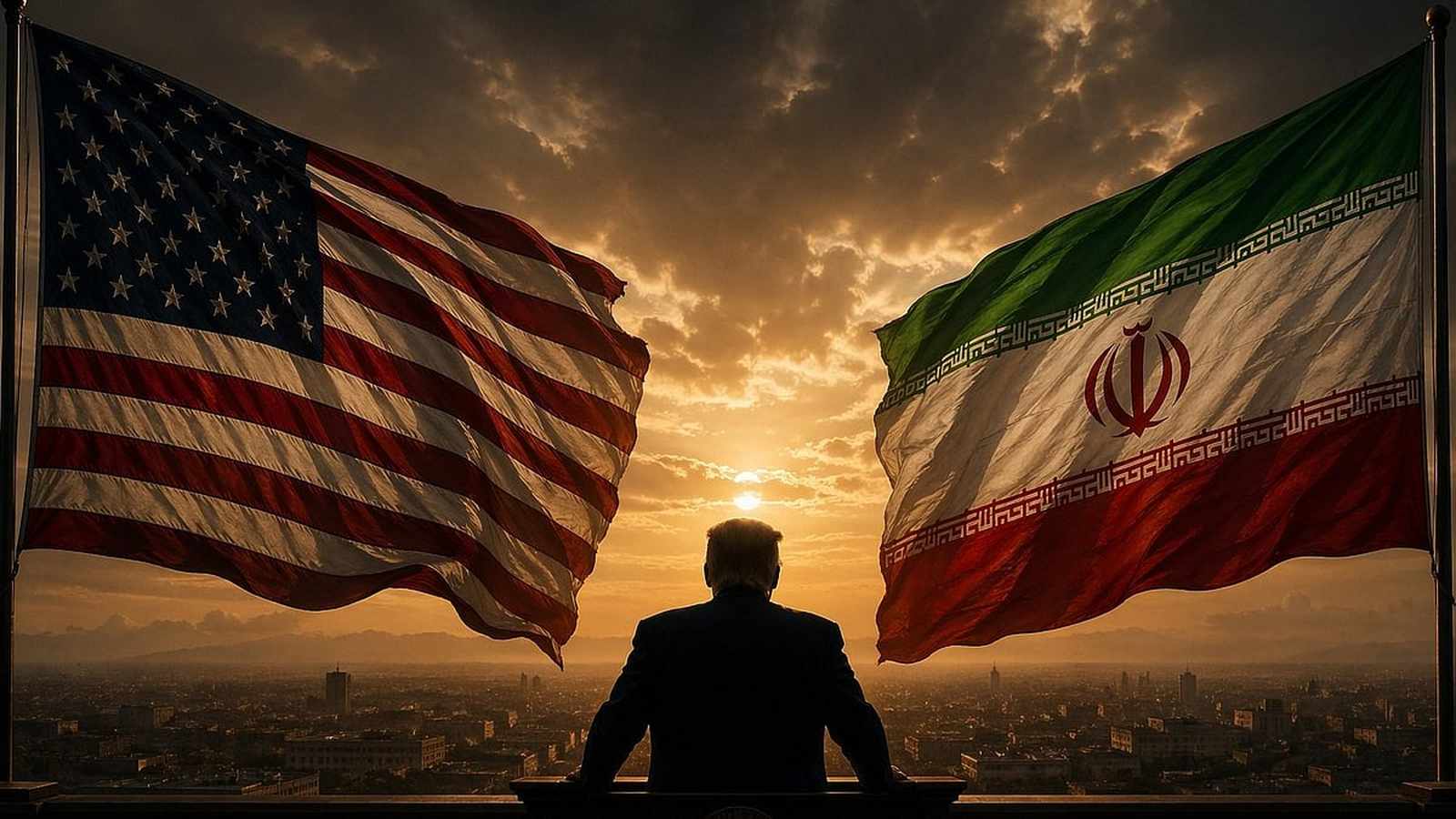
President Donald Trump has announced an indefinite extension of the U.S. ceasefire with Iran, a decision that arrives as global markets reach record highs while the fundamental security architecture of the Middle East remains under severe strain. The extension, granted following urgent requests from Pakistani leadership, is intended to provide Tehran’s internally fractured government the necessary window to present a unified proposal for negotiations. Despite this diplomatic opening, the reality on the ground in the Strait of Hormuz remains precarious, with reports confirming that Iranian forces recently fired on two commercial vessels, further complicating the prospects for a lasting resolution.
The Geopolitical Cost of the Blockade
The stalled Iran ceasefire talks have exacerbated a global energy crisis, prompting the European Union to consider unprecedented measures to secure jet fuel stockpiles. The Pentagon estimates that clearing the naval mines laid by Iran in the Strait of Hormuz will take at least six months, a timeline that underscores the long-term economic and security risks posed to international maritime transit. While the administration points to the strength of U.S. forces in the region as a deterrent, the ongoing seizure of vessels—such as the incident involving a Panamanian-flagged ship owned by an Italian firm—highlights the limitations of current containment strategies in upholding international maritime law.
Navigating Institutional Accountability
The conflict has ignited intense debate within the U.S. political establishment, with Senate Minority Leader Chuck Schumer calling for an immediate end to the hostilities. The administration’s unconventional approach—which reportedly includes bizarre diplomatic maneuvers, such as a proposal to replace Iran with Italy in the 2026 World Cup—reflects a highly personalized and often volatile foreign policy style. This approach risks undermining the predictable, rules-based international order that is vital for smaller nations, including those in the South Caucasus, to maintain their sovereignty amidst the competing interests of regional powers.
Synthesis: A Fragile Equilibrium
For Armenia and the broader South Caucasus, the volatility of the U.S.-Iran dynamic creates a complex environment where security calculations are constantly subject to the shifting whims of global actors. The Trump-led ceasefire strategy serves as a temporary reprieve rather than a structural solution, leaving the region to grapple with the uncertainty of a conflict that remains fundamentally unresolved. As long as the administration prioritizes transactional breakthroughs over consistent adherence to institutional democratic norms, the security architecture of the region will remain exposed to the unpredictable currents of isolationist and interventionist impulses alike.