


The Diplomatic Impasse
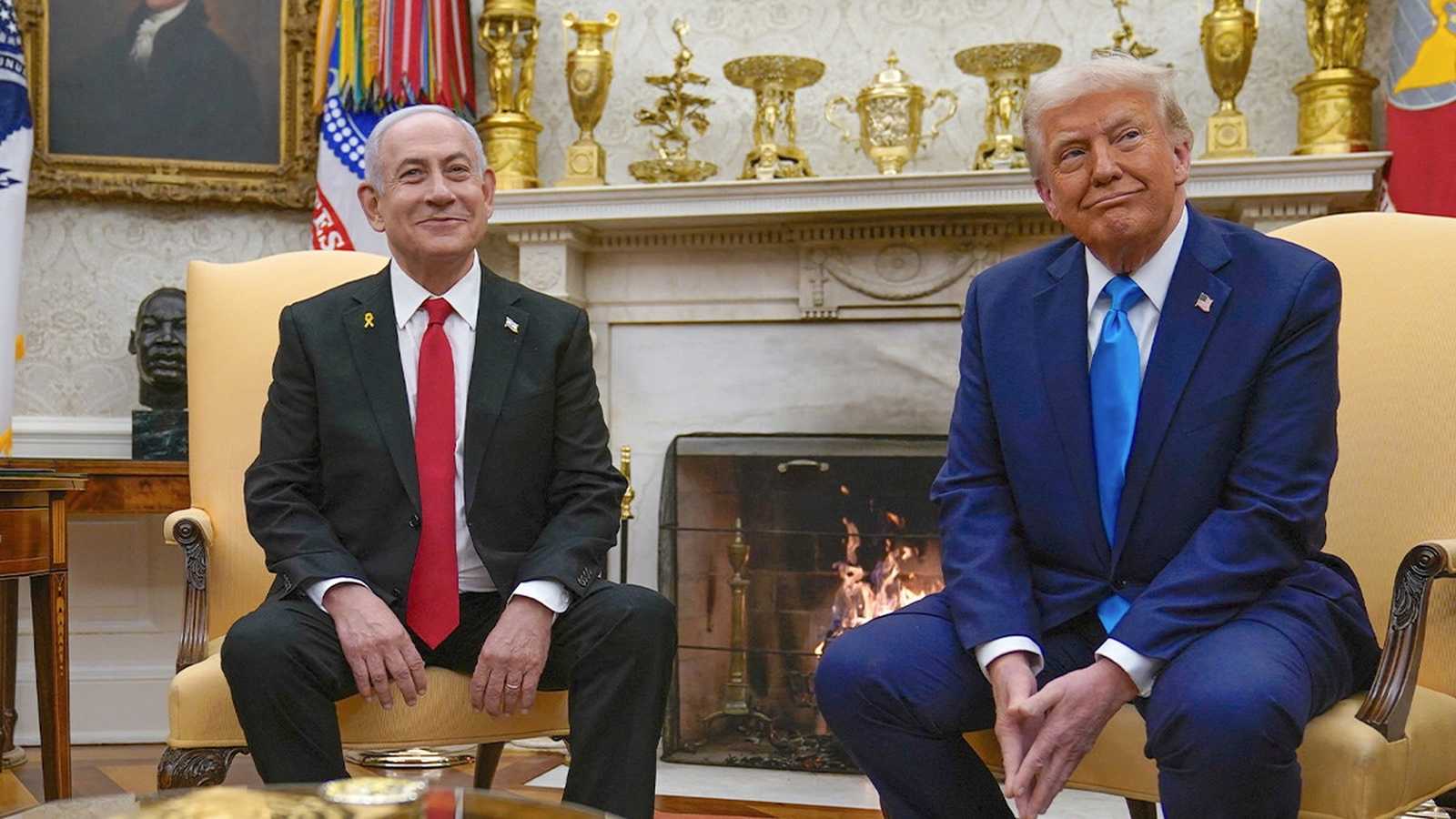
The fragile ceasefire between the United States and Iran faces mounting strain as President Donald Trump and Israeli Prime Minister Benjamin Netanyahu publicly diverge on the path toward a long-term resolution. Following a tense telephonic exchange on Tuesday, President Trump asserted that the Israeli leader would defer to his strategic vision, stating, “He’s a very good man, he’ll do whatever I want him to do.” This rhetoric underscores the complex power dynamic between Washington and Jerusalem, even as the two nations navigate a high-stakes diplomatic window involving mediators from Qatar, Pakistan, Saudi Arabia, Turkey, and Egypt.
At the heart of the disagreement is the proposed “letter of intent,” a framework designed to halt hostilities and initiate 30 days of negotiations regarding the Strait of Hormuz and Iran’s nuclear program. While the White House appears to be favoring a phased diplomatic approach, Israeli sources indicate that Prime Minister Netanyahu is deeply skeptical, advocating for sustained military pressure to degrade Iranian critical infrastructure. According to reports, the Prime Minister remains concerned that a premature cessation of hostilities would leave core security objectives—specifically the dismantling of Iran’s nuclear and missile capabilities—unaddressed.
Regional Security and Border Vulnerabilities
Beyond the immediate conflict with Iran, Israel is recalibrating its defense posture along its eastern frontier. Deputy diplomatic correspondent Nava Freiberg reports that the Israeli government has intensified efforts to fortify the 300-mile-long border with Jordan. This shift reflects a heightened sensitivity to border vulnerabilities following the events of October 7, 2023, with officials expressing concerns over weapon smuggling and potential terrorist infiltration. The urgency of this defense initiative is corroborated by recent security incidents, including the downing of an unidentified drone in Jordanian airspace near the Jerash Governorate.
The geopolitical landscape remains volatile. Iran’s Islamic Revolutionary Guard Corps (IRGC) has issued a stern warning, threatening that any renewal of US strikes would trigger a “regional war” that extends far beyond current theater boundaries. Simultaneously, the deployment of advanced defense systems continues, with Germany set to provide Patriot missile systems to Turkey in June, replacing aging NATO-coordinated infrastructure to mitigate ballistic missile threats emanating from the ongoing regional friction.
The Multilateral Balancing Act
The diplomatic maneuvering involves a diverse array of international actors. Chinese President Xi Jinping, in recent discussions with Russian President Vladimir Putin, characterized further hostilities as “inadvisable,” emphasizing the urgency of a comprehensive ceasefire. Meanwhile, Pakistan’s interior minister, Mohsin Naqvi, has undertaken multiple visits to Tehran in a week to facilitate the mediation process. Despite these efforts, the US Senate remains divided, with a war powers resolution gaining momentum as lawmakers attempt to assert legislative oversight over the executive branch’s military authority.
President Trump has maintained a calculated ambiguity regarding the timeline for a final deal, stating he is “in no hurry” and preferring a methodical approach to avoid unnecessary casualties. However, the contradiction between his stated desire for a quick end to the war and the reality of entrenched Iranian defiance suggests that the current diplomatic window is narrow. With the IRGC claiming that the full capabilities of the Islamic revolution have yet to be deployed, the risk of miscalculation remains high. As the international community pushes for a negotiated settlement, the underlying strategic objectives—limiting uranium enrichment and ensuring regional stability—remain as elusive as they were at the onset of the conflict in late February.
The persistence of the US-Israel policy gap regarding Iran, coupled with Israel’s pivot toward securing its eastern borders, indicates a transition from active kinetic warfare to a precarious state of armed containment. While diplomatic channels remain open, the lack of consensus on the end-state for Iran’s nuclear program ensures that the region will remain on a war footing for the foreseeable future, with regional actors like Jordan serving as the primary buffer against spillover effects.