


A Shift in Post-Election Tone
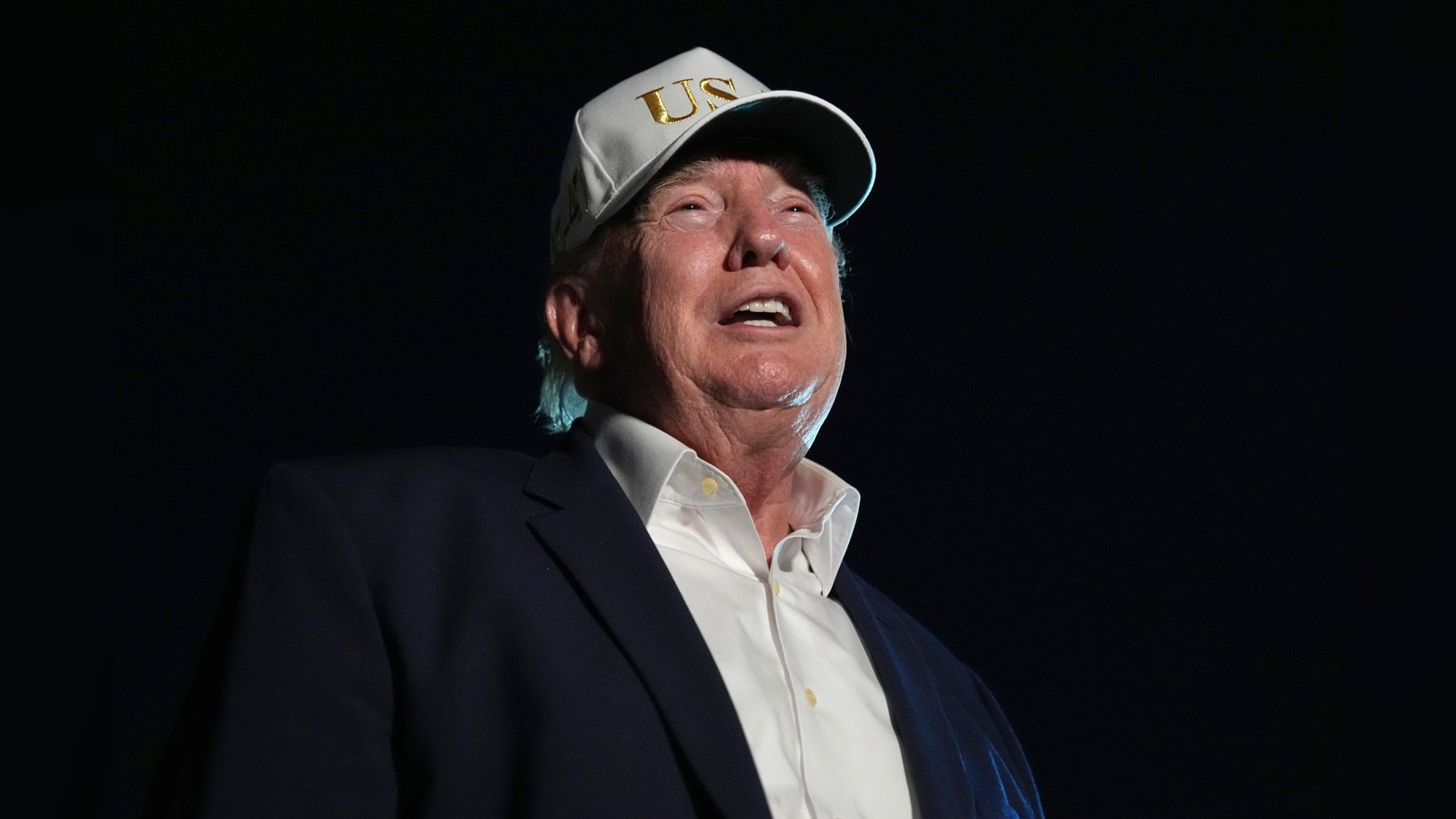
On November 9, 2026, President Donald Trump publicly questioned the integrity of the midterm elections, marking a sharp pivot from his earlier commitment to accept the results. This development, occurring less than a week after the Republican Party suffered significant losses in both the House and Senate, indicates a potential hardening of the administration’s stance toward the incoming Democratic-controlled Congress. In a post on TruthSocial, as reported by The Hill, the president expressed disbelief regarding the performance of the Democratic Party, specifically citing polling inaccuracies as evidence of a broader issue. The president asked, “Does anybody really believe that this ‘Election’ was honest? How could the Polls be so wrong???”
This rhetoric contrasts sharply with comments made by the president just days prior. On November 3 and 4, during the initial vote count, President Trump publicly congratulated Democrats and stated in a phone call with Time that he looked forward to working with the opposition for the benefit of the country. By Monday morning, however, the president suggested that “early voting dumps” and concerns over voting machines were responsible for the results, though he provided no specific evidence to support these claims. He explicitly stated that “it’s all about the machines, which are far more important than the voter!”
Legislative Stakes for the Final Two Years
The transition from a conciliatory tone to questioning election integrity suggests that the White House may be preparing for a confrontational approach during the final two years of the president’s term. With Democrats now holding substantial majorities in both chambers of Capitol Hill, the administration faces a restricted legislative path. Senate Democratic Leader Chuck Schumer (D-N.Y.) characterized the president’s latest comments as a “pathetic return to election denialism,” asserting that the Democratic majorities are a direct result of the electorate’s assessment of the administration’s performance over the past two years. Schumer noted that “nothing will stop this inescapable truth: For the last two years of his presidency, Trump will face the largest Democratic congressional majorities in decades, all because he has been an unprecedented failure.”
The stakes for the upcoming session are high. The administration had previously indicated a willingness to engage in bipartisan efforts on key issues, such as immigration, following his electoral victory in 2024. However, the return to rhetoric reminiscent of the 2020 election cycle complicates these prospects. Analysts note that the president’s pivot may be an attempt to manage internal party frustration, as some Republicans have expressed a desire to move beyond the current focus on election integrity and toward a new strategy for future cycles. Conservative commentator Megyn Kelly publicly responded to the president’s post by stating, “just stop.”
The Role of Polling and Voter Dynamics
The discrepancy between pre-election polling and the final outcome remains a focal point for the president. While many polls had projected a competitive environment, the actual results saw Democrats secure seats that were previously considered GOP strongholds, including in states like Texas and South Carolina. House Minority Leader Hakeem Jeffries (D-N.Y.) noted that the polls had underestimated Democratic support, a sentiment that aligns with the broader realization that the “blue wave” was more significant than many had anticipated. Jeffries ribbed Speaker Mike Johnson, noting that the polls had indeed been wrong—by underestimating the Democrats.
The president’s focus on the mechanics of the vote—specifically the role of machines and early voting—is a recurring theme in his political communication. However, this stance has drawn criticism from within and outside his party. As the government transitions to a divided power structure, the ability of the White House to navigate this new reality will depend heavily on whether the current rhetoric serves as a temporary reaction to the loss or a permanent feature of the administration’s legislative strategy. Nevada Secretary of State Cisco Aguilar, a Democrat, emphasized that the systems worked and that the election results were a clear rebuke of the administration’s leadership. Researchers at the University of Washington, who track election-related narratives, have suggested that while Trump’s comments caused a spike in chatter, he currently lacks the widespread shared grievance necessary to mobilize his base as he did in 2020. The administration’s move to replace Chief of Staff Susie Wiles with Stephen Miller further signals an intent to double down on an aggressive, confrontational policy framework rather than seeking common ground with the new congressional majority.
The Broader Context of Election Denialism
Trump’s history of challenging election results dates back to his 2016 primary experiences and reached a climax following the 2020 presidential election. The 2026 midterms, however, present a different dynamic: the president is currently in office, unlike in 2020. The Department of Justice, during the lead-up to this election, had already been involved in legal disputes regarding voter fraud allegations, which a federal judge characterized as intimidation tactics. The recurrence of these claims despite the lack of evidence underscores the persistent friction between the White House and state-level election authorities. Experts argue that the president’s latest comments serve as a “trial balloon” to gauge the appetite of his base for a renewed campaign against election procedures. Whether this leads to concrete legislative obstruction or remains a rhetorical tool for the president to manage his political standing remains to be seen in the coming months as Congress prepares for the new session.