

Quick Read
- President Trump signed a sweeping tax and spending bill on July 4, fulfilling key campaign promises.
- The bill extends 2017 tax cuts, introduces new deductions, and raises the SALT cap, but cuts Medicaid and food assistance.
- Critics argue the bill disproportionately benefits the wealthy and adds $3.4 trillion to the national deficit.
- Nearly 12 million Americans may lose health insurance, and low-income families are expected to face financial hardships.
- The legislation is expected to shape the 2026 midterm elections, with Democrats vowing to campaign against it.
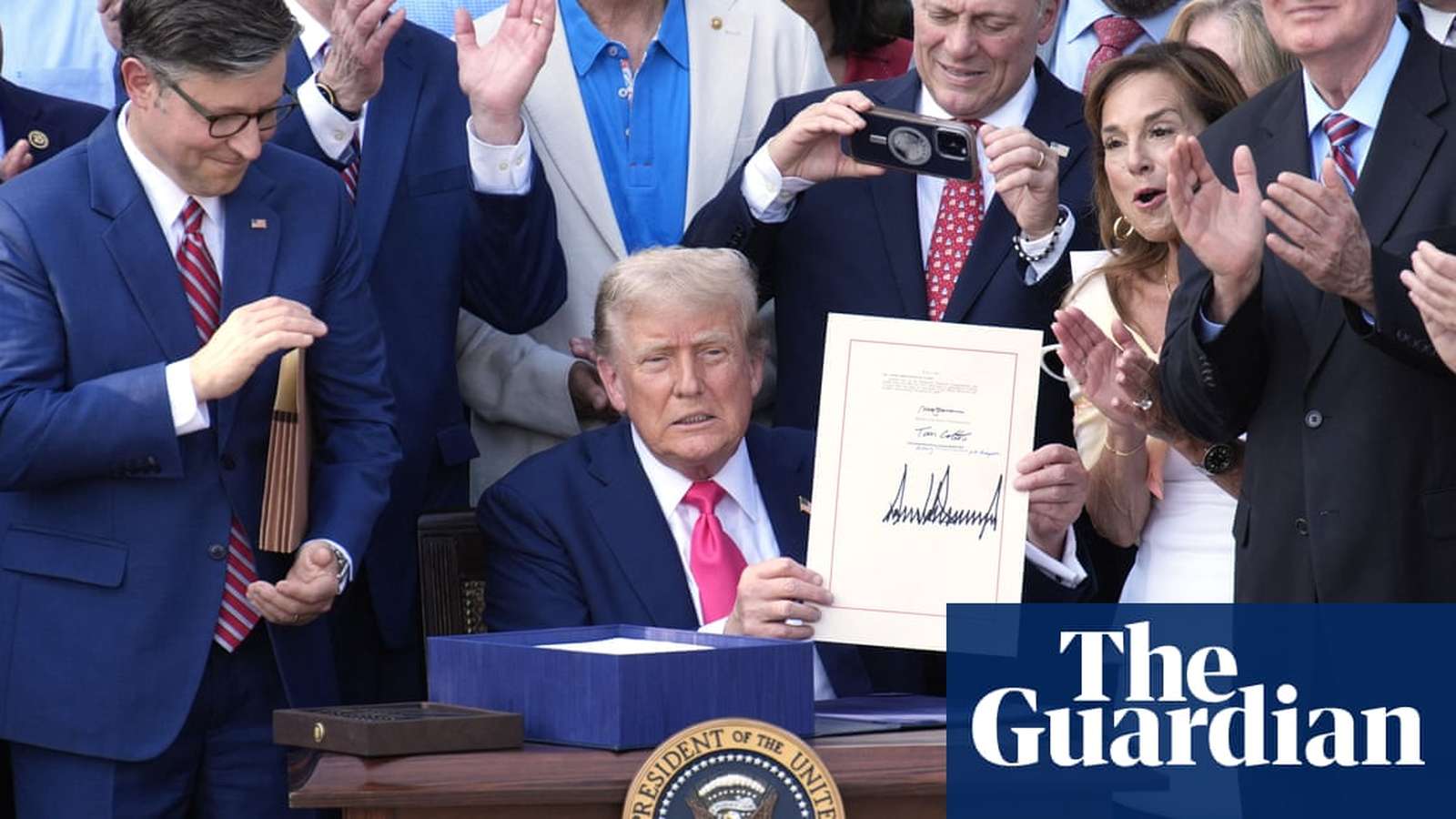
On July 4, 2025, President Donald Trump signed a historic yet highly divisive tax and spending bill into law during a celebratory Fourth of July picnic at the White House. Dubbed the “One Big Beautiful Bill” by the administration, the legislation represents a cornerstone of Trump’s domestic agenda but has already sparked fierce debate among lawmakers and the American public.
The Highlights of the Bill
The new law includes sweeping changes to federal tax policy and government spending, fulfilling several of Trump’s campaign promises. Key provisions include the permanent extension of tax cuts from the 2017 Tax Cuts and Jobs Act, a new standard deduction of $6,000 for seniors aged 65 and older, and the elimination of federal income taxes on up to $25,000 of qualified tip income and some overtime pay. The legislation also introduces a new tax-deferred savings account for children, referred to as “Trump accounts,” and raises the cap on state and local tax (SALT) deductions from $10,000 to $40,000 for the next five years.
However, the bill also makes significant cuts to Medicaid and food assistance programs, sparking criticism from Democrats and advocacy groups. According to the Congressional Budget Office, nearly 12 million Americans could lose health insurance as a result of these changes. Additionally, the legislation is expected to add $3.4 trillion to the national deficit over the next decade, a figure that has alarmed fiscal watchdogs.
A Divisive Legislative Victory
Trump signed the bill surrounded by Republican lawmakers and Cabinet members, declaring it a “great day for America.” Fighter jets and stealth bombers performed flyovers during the event, underscoring the administration’s triumphal tone. “Promises made, promises kept,” Trump said, emphasizing the bill’s alignment with his campaign agenda.
Despite its passage, the bill faced stiff opposition in Congress. It passed the House by a narrow margin of 218 to 214, with all Democrats and two Republican representatives voting against it. In the Senate, Vice President Vance cast the tie-breaking vote. House Speaker Mike Johnson hailed the legislation as a milestone, calling it “a cornerstone of America’s new golden age.”
However, critics argue that the bill disproportionately benefits wealthy Americans while harming low-income families. AFL-CIO President Liz Shuler described it as “the worst job-killing bill in American history,” accusing Republicans of prioritizing tax cuts for corporations over the needs of working-class Americans.
Impact on American Households
The bill’s economic implications are profound and varied. While high-income earners stand to gain significantly from the tax cuts, low-income households are expected to face financial hardships. A report from the Budget Lab at Yale found that the wealthiest 10% of Americans will see an average annual gain of $12,000, whereas the poorest 10% will lose an average of $1,600 per year.
Additionally, the elimination of electric vehicle tax credits and cuts to renewable energy investments have drawn criticism from environmental advocates. The legislation also ends the popular Direct File program, which allowed taxpayers to file taxes directly with the IRS, replacing it with provisions favoring private tax preparation companies.
Frank Bisignano, commissioner of the Social Security Administration (SSA), praised the bill for reducing the tax burden on Social Security beneficiaries. However, former SSA officials and Democratic lawmakers accused the administration of spreading misinformation about the bill’s impact. “Every word of the SSA’s email is a lie,” said Congressman Frank Pallone, referring to an official communication that inaccurately claimed the bill eliminated federal income taxes on Social Security benefits.
Looking Ahead
The political fallout from the bill is expected to shape the 2026 midterm elections. Democrats have vowed to make the legislation a central campaign issue, organizing rallies and voter registration drives to highlight its controversial elements. Democratic National Committee Chair Ken Martin called the bill a “full betrayal of the American people” and predicted it would cost Republicans their congressional majority.
Trump, however, remains defiant. During the signing ceremony, he dismissed Democratic criticism as “a con job” and insisted the bill was “the most popular ever signed.” He also hinted at additional legislative initiatives, signaling that his administration is far from finished with its domestic policy agenda.
As the nation grapples with the immediate and long-term consequences of this sweeping legislation, one thing is clear: the “One Big Beautiful Bill” has already left an indelible mark on the American political and economic landscape.