
Quick Read
- Typhoon Kalmaegi made landfall in Vietnam, causing widespread damage and prompting mass evacuations.
- Over 260,000 soldiers and thousands of vehicles were mobilized for rescue and relief efforts.
- Vietnam faces record rains and floods, with six airports closed and hundreds of flights disrupted.
- The U.S. pledged $130 million for Agent Orange cleanup and offered advanced DNA technology during defense talks.
- Vietnam is strengthening military ties with Russia and North Korea while negotiating arms deals with the U.S.
Typhoon Kalmaegi Strikes: A Nation on Alert
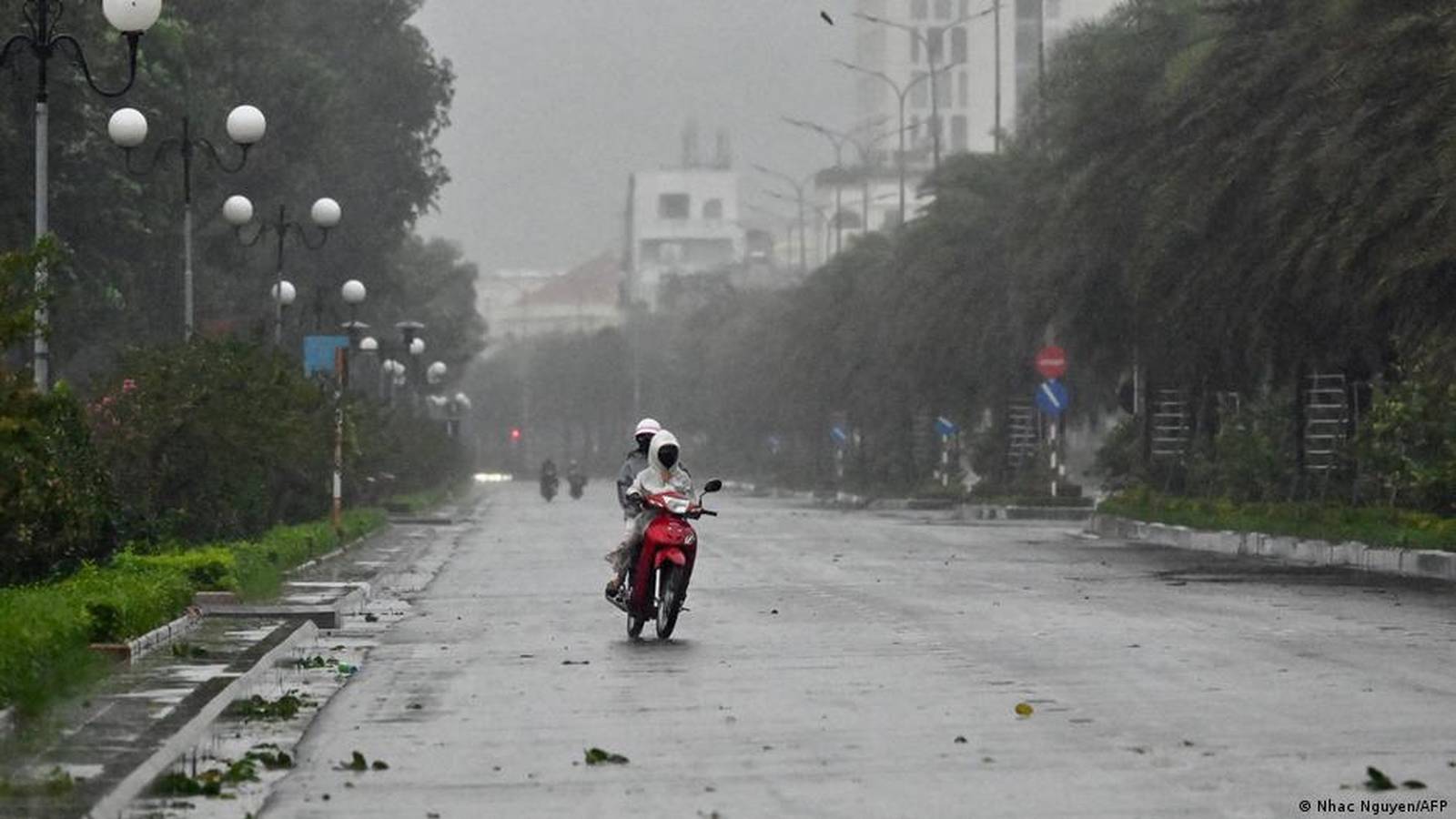
On Thursday evening, as dusk settled over central Vietnam, Typhoon Kalmaegi—known locally as Tino—made its fierce landfall. Winds roared at up to 92 mph, battering the coastline and unleashing sheets of rain that turned streets into rivers. In the provinces of Dak Lak and Gia Lai, families huddled in their homes, hoping for the best but bracing for the worst.
Vietnamese authorities sprang into action, deploying more than 260,000 soldiers and thousands of vehicles and aircraft for rescue efforts. The government’s online portal and local media kept the population updated, urging vigilance and rapid response. The national weather forecaster warned that hundreds of localities across seven cities and provinces faced imminent threats of flooding and landslides in the coming hours. In Quy Nhon and surrounding areas, trees toppled, hotel windows shattered, and homes lost their roofs—evidence of the storm’s brute force.
Six airports shuttered, hundreds of flights disrupted. The South China Sea churned with waves up to 8 meters high, threatening fishing communities and capsizing boats. As the typhoon raged, residents in Dak Lak called for help—some reporting collapsed homes, others trapped by rising waters. Prime Minister Pham Minh Chinh led an online emergency session, declaring, “We must reach isolated areas and ensure people have food, drinking water, and essential supplies. No one should be left hungry or cold.” (BBC)
From Philippine Tragedy to Vietnamese Turmoil
Kalmaegi’s destructive path began in the Philippines, where it claimed at least 114 lives and forced tens of thousands to flee their homes. In Cebu, cars floated down flooded streets, homes were swept away, and survivors scrambled to higher ground. The typhoon dumped a month’s worth of rain in just 24 hours, triggering landslides and burying communities under mud and debris. The devastation was such that President Ferdinand Marcos Jr declared a state of emergency, as entire neighborhoods—especially in the poorer districts—were wiped out. Residents began the painful process of picking through wreckage, searching for anything salvageable. (Reuters)
Vietnam, already grappling with record rains and floods, now faced Kalmaegi’s wrath. Riverbanks had burst in iconic cities like Hue and Hoi An, transforming streets into waterways navigable only by boat. The threat of a sea-level rise of up to 6 meters loomed over coastal provinces, with the National Center for Hydro-Meteorological Forecasting warning that fishing farms and seaside communities could be devastated.
Evacuations, Military Mobilization, and International Solidarity
Thousands of Vietnamese were evacuated from vulnerable coastal and river communities, heeding government warnings. Early on Thursday, officials went door-to-door, urging families to leave before the storm hit. The scale of the mobilization—over a quarter million soldiers—reflected both the severity of the typhoon and the state’s commitment to disaster response. Rescue teams, equipped with vehicles, boats, and aircraft, fanned out to reach those in need.
The urgency of the operation was underscored by the memory of Typhoon Damrey in 2017, which, though less intense, left a legacy of destruction in coastal communities. Nguyen Xuan Hien, deputy director at the national weather bureau, reminded the public that vigilance and preparedness were essential, as the region’s climate grows more unpredictable.
Geopolitical Crossroads: Hanoi’s Balancing Act
While Vietnam contended with nature’s fury, it also found itself at a pivotal moment in international politics. Just days earlier, U.S. Secretary of Defense Pete Hegseth had visited Hanoi, pledging to deepen defense ties and address the lingering scars of the Vietnam War. His visit was symbolic—he presented Defense Minister Phan Van Giang with artifacts taken from Da Nang in 1968, a gesture of reconciliation. Washington also committed $130 million to cleaning up Agent Orange contamination and offered advanced DNA technology to help Vietnam identify its missing soldiers. (FDD)
The diplomatic overtures, however, came against the backdrop of Vietnam’s expanding military relationships with both Russia and North Korea. In October, Vietnam’s Prime Minister To Lam attended a military parade in Pyongyang and signed a defense cooperation agreement with Kim Jong Un’s regime—disrupting decades of protocol. Simultaneously, Hanoi inked contracts with Russian firms for air-defense systems, submarine upgrades, and combat aircraft, with Moscow agreeing to payment in rubles, sidestepping Western sanctions.
These moves reflect Vietnam’s efforts to modernize its military—replacing aging Soviet-era equipment and asserting its presence in the contested South China Sea. Vietnam has constructed nearly 2,200 acres of artificial islands, second only to China, fortifying its claims in the Spratly and Paracel archipelagos. These installations, when completed, will host air bases and surveillance stations to monitor regional naval and air traffic.
America’s Strategy and Vietnam’s Choice
Washington’s approach, as outlined by analysts at the Foundation for Defense of Democracies, is to strengthen trade and defense ties with Vietnam, but with conditions. Any future arms sales—like the F-16 fighter jets and C-130 transport aircraft—are contingent on Hanoi reducing its military cooperation with Russia and North Korea. The U.S. also seeks assurances that Vietnamese firms won’t help Moscow circumvent sanctions, weaving these concerns into broader trade talks.
Despite these negotiations, progress has been slow. The U.S. did praise Vietnam’s acquisition of American trainer aircraft, but larger deals remain in limbo. For Vietnam, the challenge is clear: how to balance its strategic interests among competing global powers while safeguarding its sovereignty and economic growth.
Recovery and Resilience: The Road Ahead
As the winds subside and floodwaters recede, Vietnamese communities begin the difficult work of recovery. In hotels and homes, the cleanup is underway—mud swept out, shattered glass replaced, roofs patched. The emotional toll is palpable, especially among those who have lost everything. Yet, as in the Philippines, resilience shines through. People pick up the pieces, supported by a vast network of rescue workers and volunteers.
The storm has served as a stark reminder of the region’s vulnerability to climate disasters and the importance of preparedness. It has also highlighted Vietnam’s unique position: a nation at the heart of Southeast Asia, facing not just natural threats but also the complexities of global geopolitics.
Vietnam’s response to Typhoon Kalmaegi demonstrates both the power of collective action in the face of disaster and the delicate balancing act required on the world stage. The country’s ability to mobilize resources, protect its citizens, and navigate international relationships will define its resilience—not just today, but for years to come.