


A Covert Operation Concluded
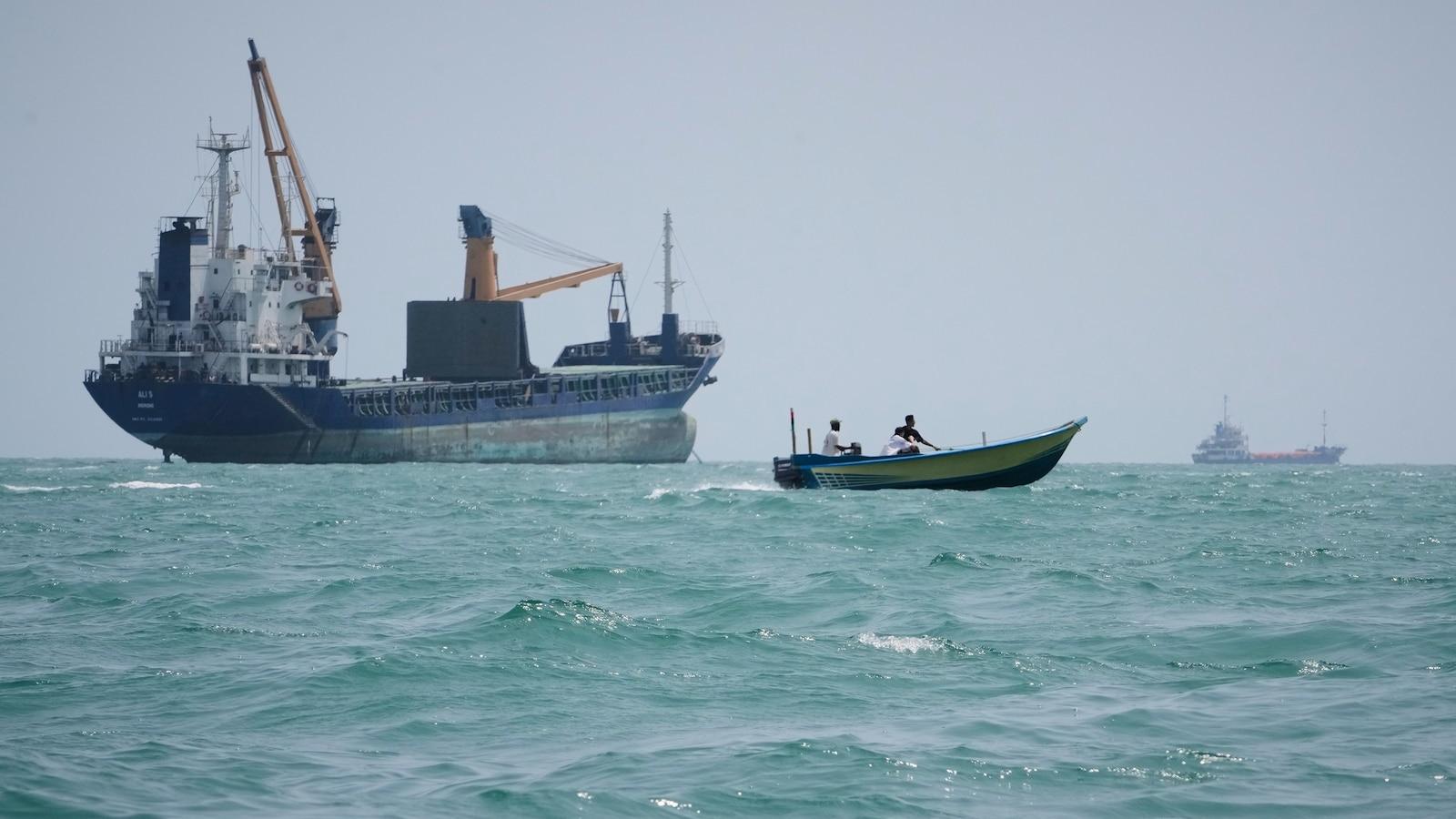
The United States Navy has completed a clandestine four-month mission aimed at clearing mines from the Strait of Hormuz, a critical maritime chokepoint that has seen persistent military friction. According to reports, Navy SEALs utilized unmanned underwater vehicles, advanced sonar, and specialized diving teams to neutralize roughly 80 mines identified by the International Maritime Organization earlier this year. President Donald Trump officially announced last week that all mines in the strait’s international waters had been cleared, a claim subsequently verified by US military officials.
Strategic Leverage and Lingering Risks
Despite the official declaration, maritime security experts and shipping industry executives remain cautious. The Strait of Hormuz is notoriously difficult to secure due to the high volume of small-boat traffic crossing the waterway nightly, which allows for rapid re-mining. Ethan Connell, a mine warfare expert at the Taiwan Security Monitor, noted that Iran continues to view the perception of control over the strait as a primary source of strategic leverage. For Tehran, maintaining the threat of disruption is as effective for insurance and shipping volatility as the physical presence of explosives.
Escalating Rhetoric and Economic Stakes
The military tension is mirrored by a sharp rise in diplomatic hostility. Following a warning from US Secretary of Defense Pete Hegseth regarding the targeting of Iranian oil tankers, Mohammad Bagher Ghalibaf, Speaker of the Iranian Parliament, issued a direct threat on social media. Ghalibaf stated that Iran views the oil and gas production chain in the region as “exposed” and warned that American energy assets would face retaliation if Iranian interests were struck. This exchange has contributed to ongoing instability in global energy markets, where oil prices have fluctuated sharply in response to the cycle of threats and counter-threats.
Operational Challenges
The clearing mission was described by analysts as an inherently dangerous, time-consuming process involving “active bomb detonation underwater.” While the US Navy successfully operated throughout the summer, the persistence of the conflict means that the safety of commercial vessels remains precarious. Shipping companies continue to monitor the situation closely, particularly in areas outside the narrow lanes currently directed by the US military, where uncertainty regarding the presence of remaining mines persists.