

Quick Read
- The DOJ is preparing an indictment against 94-year-old Raúl Castro.
- Charges stem from the 1996 shootdown of two civilian planes by Cuban MiGs.
- The incident killed four, including three U.S. citizens, in international airspace.
- The move follows the Trump administration’s successful push to oust Venezuela’s Maduro.
Legal Escalation in Miami
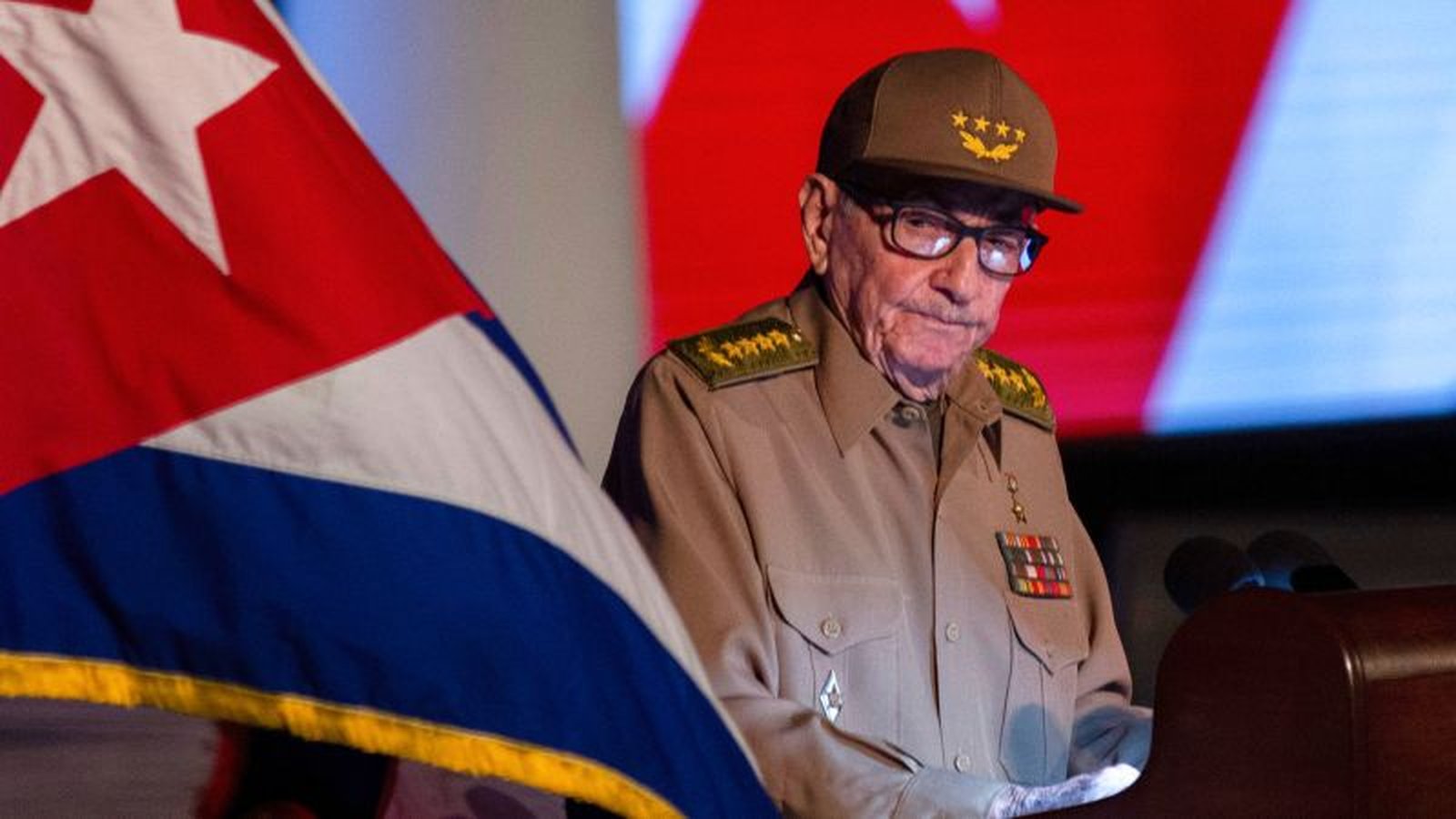
The U.S. Department of Justice is finalizing plans to seek an indictment against former Cuban President Raúl Castro, according to multiple sources familiar with the ongoing federal investigation. The charges are reportedly centered on Castro’s role as Minister of Defense during the 1996 shootdown of two civilian Cessna aircraft operated by the Miami-based exile group ‘Brothers to the Rescue.’ The incident, which resulted in the deaths of four individuals—three of whom were U.S. citizens—occurred in international airspace, according to the International Civil Aviation Organization.
Historical Context and Strategic Stakes
The effort to prosecute Castro is not new; federal prosecutors in Miami have explored legal avenues for decades. The current initiative, however, arrives at a moment of heightened geopolitical pressure. Following the successful prosecution and eventual removal of Venezuelan President Nicolás Maduro, the Trump administration has shifted its focus toward Cuba. Officials have characterized the potential indictment as a necessary step for justice, while analysts warn it serves as a precursor to more aggressive U.S. policy, potentially mirroring the economic and diplomatic tactics used to isolate Caracas.
The ‘Brothers to the Rescue’ Incident
The 1996 shootdown remains a defining moment in the modern history of U.S.-Cuba hostilities. At the time, the Clinton administration was attempting to cautiously normalize relations, but the downing of the unarmed planes effectively derailed those diplomatic efforts. The subsequent passage of the Helms-Burton Act codified the U.S. trade embargo, complicating future engagement for decades. While the Cuban government has historically argued that the aircraft violated its sovereignty, the U.S. maintains that the strike was a calculated act of aggression designed to solidify the Castro regime’s control by manufacturing an external threat.
Geopolitical Outlook
The timing of this legal move coincides with a broader strategy of ‘maximum pressure’ applied to the island. While CIA Director John Ratcliffe has engaged in high-level discussions with Cuban officials, including Raúl Castro’s grandson, these diplomatic overtures appear to run parallel to, rather than replace, a strategy of confrontation. Experts like Professor Richard Feinberg suggest that while an indictment plays effectively to the administration’s political base in South Florida, the practical implementation of regime change in Cuba remains significantly more complex than in Venezuela, given the institutional entrenchment of the Cuban Communist Party and the lack of a clear succession crisis.
The potential indictment of a 94-year-old former head of state represents a significant departure from traditional diplomatic norms, signaling that the Trump administration is prioritizing symbolic and legal confrontation over incremental engagement. While the administration frames this as a pursuit of justice for the 1996 victims, the move carries profound risks of regional instability. By narrowing the pathways for diplomatic off-ramps, the U.S. may leave the Cuban leadership with few options other than further entrenchment, potentially accelerating a crisis that the administration seems prepared to exploit through continued economic blockades and intensified pressure campaigns.