


The Sovereignty Calculus in the Indo-Pacific
The Philippines stands at a geopolitical crossroads as President Ferdinand Marcos Jr. navigates the volatile intersection of regional security and domestic political volatility. Recent shifts in Manila’s defense posture, particularly regarding the potential for conflict over Taiwan, have placed the nation at the center of the US-China strategic rivalry. Simultaneously, the ongoing impeachment proceedings against Vice President Sara Duterte have introduced a layer of internal instability that threatens to undermine the administration’s ability to project a unified national policy.
The Taiwan Contingency and Defensive Integration
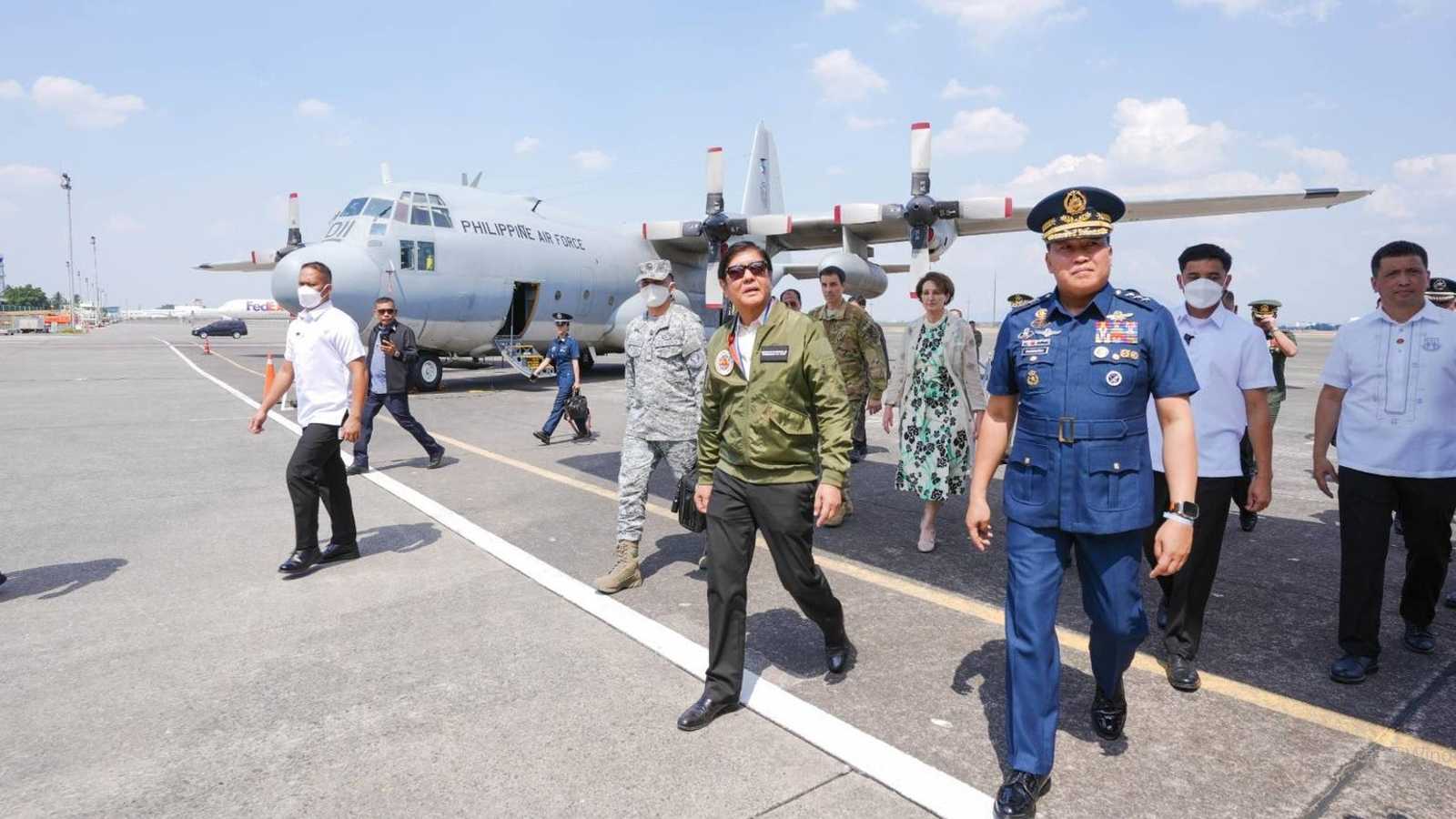
The explicit acknowledgement by Philippine leadership of the nation’s role in a potential Taiwan conflict marks a definitive departure from the historical ambiguity that characterized Manila’s foreign policy for decades. This shift is underscored by the deepening integration of the Philippine and US armies, as evidenced by the high-level exchanges at the Tropic Lightning honors ceremony in Hawaii this May. With thousands of US troops maintaining a rotational presence in the Philippines, the archipelago has evolved from a peripheral ally into a critical node in the US-led Indo-Pacific security architecture.
However, this integration is not without friction. The rejection of special legal status for US industrial hubs—a move interpreted by analysts as a push for greater sovereignty—signals that while Manila values the US security umbrella, it is wary of becoming a permanent staging ground for foreign power projection. This nuanced stance is intended to mitigate the risk of direct retaliation from Beijing, which continues to exert diplomatic pressure through its embassy in Manila, framing such defense cooperation as a destabilizing force.
Internal Fallout: The Duterte Impeachment
While the administration grapples with external security, the impeachment trial of Vice President Duterte serves as a domestic litmus test for Marcos Jr.’s political capital. The proceedings, rooted in allegations of constitutional breaches and misuse of public funds, have fractured the governing coalition. For the administration, the impeachment is framed as a matter of legal accountability; for the opposition, it is a calculated effort to consolidate power and neutralize a political rival who maintains significant populist support.
The convergence of these events creates a complex risk profile. Beijing has leveraged this domestic strife to cast doubt on the reliability of the Philippines as a regional partner, suggesting that internal instability makes Manila’s foreign policy erratic. The Chinese embassy’s recent messaging, which emphasizes economic cooperation, infrastructure investment, and historical ties, serves as a soft-power counterweight to the hardening military alliance between Manila and Washington.
The strategic challenge for the Marcos administration is twofold: maintaining a credible deterrence posture in the South China Sea while preventing the impeachment process from paralyzing national governance. By positioning the Philippines as an indispensable partner in regional security, Marcos Jr. seeks to anchor the nation’s future in a US-led framework, yet this necessitates a delicate balancing act. The rejection of specific legal concessions for US facilities suggests a desire to retain autonomous control over Philippine territory, even as the military and logistical cooperation with the United States reaches unprecedented levels. Ultimately, the stability of the Philippines will depend on its ability to reconcile these external security commitments with the internal political cohesion required to withstand the pressures of a rapidly shifting regional order.