
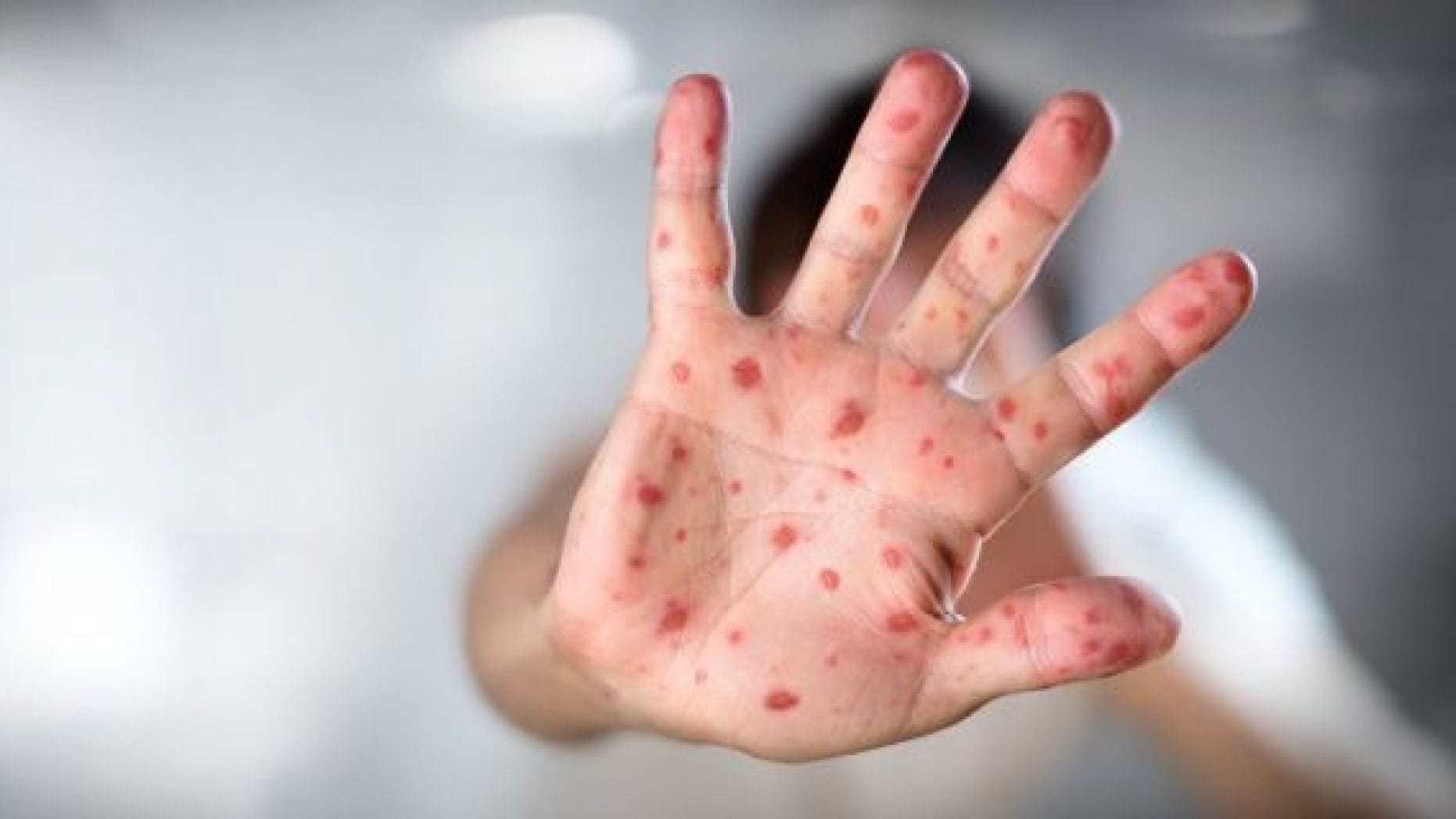
Measles Cases on the Rise: A Growing Concern
Measles, once declared eliminated in the United States in 2000, is now at risk of becoming endemic again, according to a recent study published in the Journal of the American Medical Association (JAMA). The study highlights that even a modest 5% increase in measles, mumps, and rubella (MMR) vaccination rates could prevent millions of cases over the next 25 years. This finding underscores the critical role of vaccination in controlling the spread of highly contagious diseases like measles.
The Impact of Current Vaccination Rates
At present, the Centers for Disease Control and Prevention (CDC) reports that 92.7% of kindergartners received the MMR vaccine during the 2023–2024 school year, a decline from 95.2% in the 2019–2020 school year. This drop in vaccination rates has coincided with an increase in measles outbreaks across the country. For example, a recent outbreak in western Texas has already resulted in 663 reported cases and 87 hospitalizations in 2025 alone.
According to the study, if vaccination rates remain at current levels, the US could see 851,300 measles cases over the next 25 years. However, a 10% decline in vaccination rates could lead to a staggering 11.1 million cases during the same period.
How a 5% Increase Could Make a Difference
The study’s model predicts that increasing MMR vaccination rates by just 5% could significantly reduce the number of measles cases to approximately 5,800 over 25 years. This reduction is attributed to achieving herd immunity, which occurs when more than 95% of a community is vaccinated. Herd immunity not only protects vaccinated individuals but also those who cannot be vaccinated, such as infants and immunocompromised individuals.
Dr. Nathan Lo, a co-author of the study and an infectious diseases physician at Stanford Medicine, emphasized the importance of this finding: “This study provides data to parents to show the benefits of vaccinating their children. Even small increases in vaccination rates can have a profound impact on public health.”
The Role of Vaccine Hesitancy
Public health experts attribute the decline in vaccination rates to vaccine hesitancy and fatigue, partly stemming from misinformation and the lingering effects of the COVID-19 pandemic. Dr. William Schaffner, a professor of preventive medicine at Vanderbilt University Medical Center, noted that pockets of unvaccinated individuals create vulnerabilities that allow measles to spread. “These pockets act as tinder for the virus, and when it is reintroduced, it can ignite outbreaks,” he explained.
Addressing vaccine hesitancy requires targeted community outreach and education. Experts recommend that parents consult trusted healthcare providers to discuss their concerns and receive accurate information about vaccine safety and efficacy.
The Consequences of Further Declines
The study also explored worst-case scenarios, predicting that a 50% drop in vaccination rates could result in 51.2 million measles cases over 25 years. This scenario would lead to 10.3 million hospitalizations, 159,200 deaths, and 51,200 cases of post-measles neurological complications. Additionally, diseases like rubella and polio, which have also been largely eliminated in the US, could see a resurgence.
Dr. Lo warned that reversing these trends would be challenging: “Once these diseases become endemic, eliminating them again would require significant time and resources. Prevention is far more effective than cure.”
Localized Efforts to Boost Vaccination Rates
Experts stress the importance of localized efforts to improve vaccination rates. In areas like western Texas, where MMR vaccination rates are below 80%, community leaders and healthcare providers play a crucial role in rebuilding trust in vaccines. Dr. Schaffner suggested leveraging local influencers to communicate the benefits of vaccination effectively.
“Parents should speak with their pediatricians and local healthcare providers to address their concerns,” he advised. “This personalized approach is key to regaining public trust in vaccines.”
Looking Ahead: A Call to Action
The study’s findings serve as a wake-up call for policymakers, healthcare providers, and the public. Increasing vaccination rates by even a small margin can prevent the return of measles as a common household disease. Public health campaigns must focus on dispelling misinformation, addressing vaccine hesitancy, and ensuring equitable access to vaccines.
As Dr. Lo aptly summarized, “We are at a tipping point. The actions we take now will determine whether measles remains a preventable disease or becomes a recurring threat to public health.”
Source: JAMA, Centers for Disease Control and Prevention (CDC), ABC News