


Van Dijk’s Calm Amid Chelsea’s Last-Gasp Heartbreak
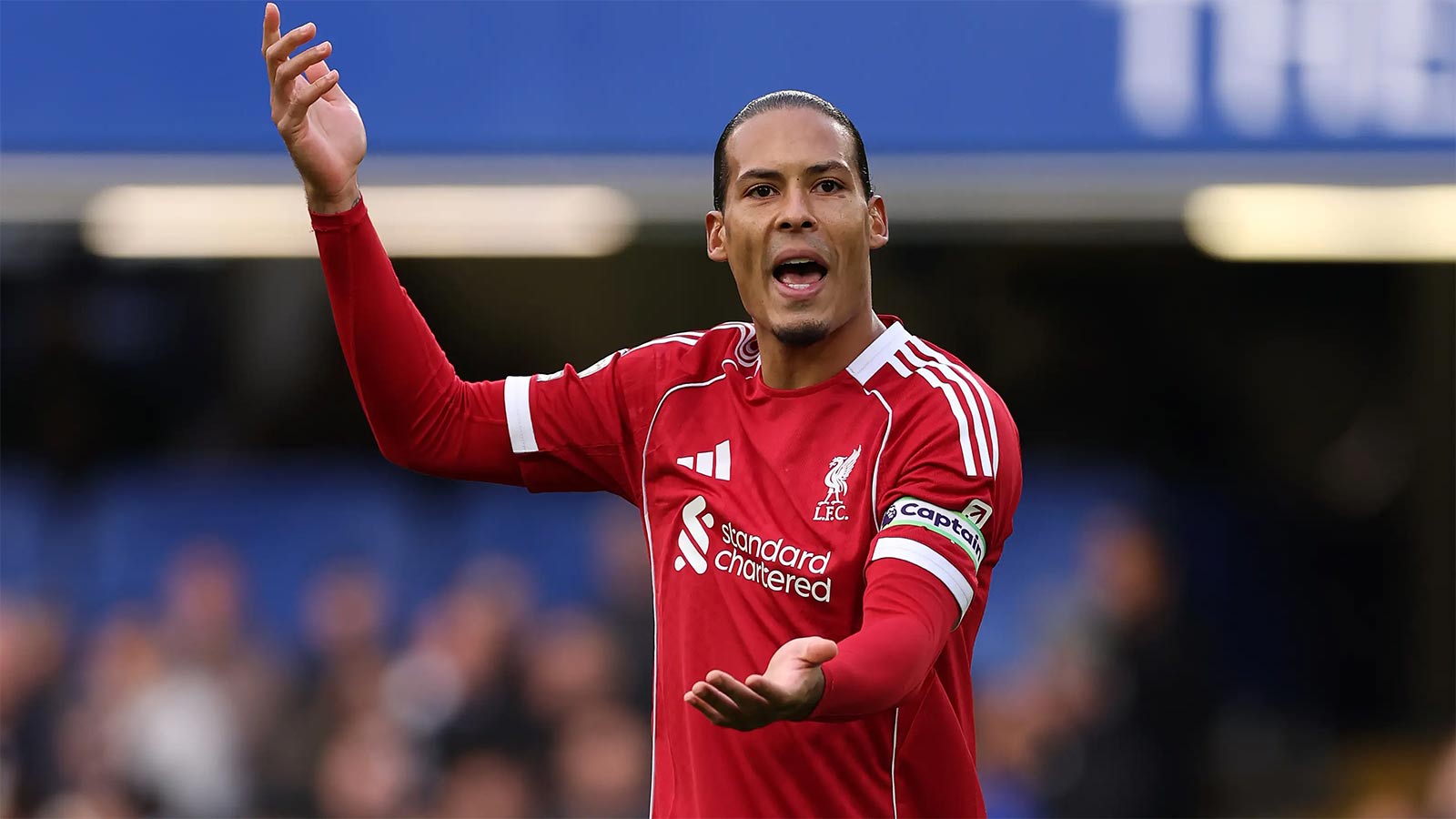
On a rain-soaked evening at Stamford Bridge, Liverpool’s captain Virgil van Dijk stood at the center of a storm—not just on the pitch, but in the aftermath of another gut-wrenching defeat. As Estevao Willian’s 95th-minute winner sent Chelsea fans into rapturous celebration, the Dutch defender found himself embroiled in a conversation with referee Anthony Taylor. The image was striking: a leader seeking clarity amid chaos, not confrontation.
This 2-1 loss marked Liverpool’s third consecutive defeat across all competitions, deepening the unease around Arne Slot’s tenure. For Van Dijk, the sting was familiar. The echoes of Eddie Nketiah’s late goal for Crystal Palace the previous week, coupled with a midweek Champions League setback to Galatasaray, had already left the team on edge. Now, another stoppage-time dagger had fallen.
The Referee Exchange: Logic Over Emotion
Van Dijk’s post-match exchange with Taylor, played out under the stadium’s bright lights and the gaze of television cameras, could have been mistaken for a protest. Instead, the Liverpool captain later clarified his intentions: “I was just asking a very polite question at that point—I’m not angry or aggressive. I was just asking where the logic behind it is.”
His question was rooted in the timing of the final whistle. “I saw the celebrations, and rightly so,” Van Dijk told reporters. “But I thought the celebrations went over two minutes, so I looked at the clock when he blew his whistle—it was 98. I was thinking: ‘How is that possible?’”
For Van Dijk, the issue was not the referee’s decision itself, but the process behind it. It was a moment of leadership, a demonstration of how top-level athletes can seek understanding rather than escalation. The defender’s measured approach stood in contrast to the boiling frustration elsewhere—most notably from manager Arne Slot, who received a booking for his own sideline protest.
Arne Slot’s Frustration and Liverpool’s Struggles
The defeat to Chelsea did more than dent Liverpool’s points tally. It extended a sequence of setbacks that have begun to test the resolve of both players and fans. Moises Caicedo’s thunderous opener set the tone, only for Cody Gakpo to restore hope with a 62nd-minute equalizer. Yet, as the match ticked into stoppage time, Liverpool’s grip loosened. Estevao Willian, just 18, delivered a curling finish that mirrored the team’s recent misfortunes—a late, decisive blow just as they seemed to have steadied themselves.
Slot, who ventured from his technical area to issue instructions to Conor Bradley (already on a yellow card and substituted at halftime), found his own patience fraying. His booking was emblematic of a club wrestling with adversity, searching for answers and discipline in equal measure.
Introspection and the Path Forward
Yet, in the dressing room and in his public remarks, Van Dijk’s focus quickly shifted from refereeing debates to self-reflection. “We should improve. That should be the main focus,” he insisted. “We know even more than ever and the good thing is we have opportunities to do so when we come back.”
With an international break looming, Liverpool’s leadership recognizes the need for both mental and tactical recalibration. The break offers a pause—a chance to regroup, analyze, and address the lapses that have led to this difficult stretch. Van Dijk’s comments suggest a team not resigned to fate, but determined to respond.
For Liverpool, this sequence of defeats is more than a statistical blip. It is a test of character. The pressure on Arne Slot, still early in his Anfield reign, has intensified. Yet, the presence of experienced leaders like Van Dijk offers hope that the team’s response will be measured and constructive rather than reactionary.
Leadership Under Scrutiny
In the high-stakes world of Premier League football, every gesture and word is amplified. Van Dijk’s calm inquiry, set against the backdrop of disappointment, sends an important message. The game’s leaders are expected to challenge, but also to set the tone for professionalism and composure.
As Liverpool look to the future, the focus will inevitably return to results. But moments like Van Dijk’s exchange with Taylor linger in the collective memory—a reminder that leadership is not just about inspiring on the pitch, but about modeling the values of respect and reason off it.
In the end, the defeat at Chelsea is a chapter in a longer story—one of resilience, adaptation, and the unrelenting quest for improvement. As the Reds regroup during the break, their captain’s approach may prove just as valuable as any tactical adjustment.
Van Dijk’s handling of a tense post-match moment highlights the importance of calm leadership during adversity. Rather than fueling controversy, his focus on logic and improvement offers Liverpool a path forward as they navigate one of the most challenging periods of their season. (Source: Tribuna.com)