


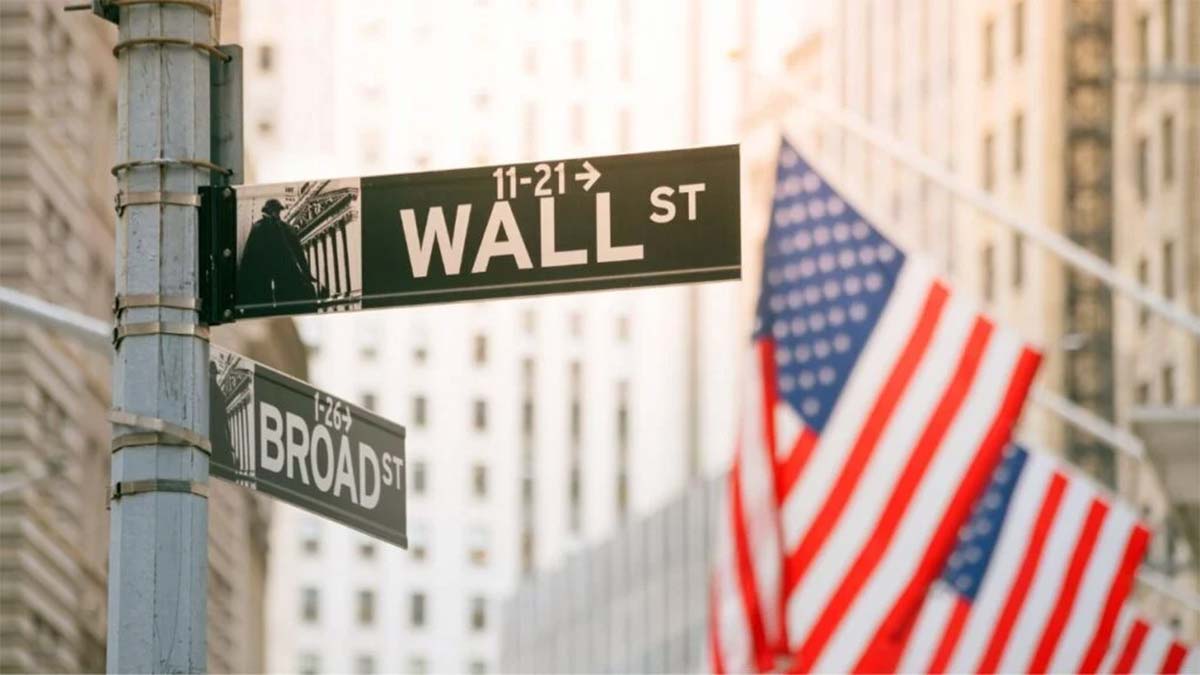
Wall Street exhibited a measured rise on August 12, 2025, as new economic data revealed a steady inflation rate of 2.7% for July, while speculation about Federal Reserve rate cuts added to market optimism. Investors and traders alike responded cautiously but positively to the news, as key indices such as the S&P 500 and Nasdaq Composite edged higher during early trading hours.
Steady Inflation Brings Relief
The Consumer Price Index (CPI) for July, released by the U.S. Department of Labor, indicated that year-over-year inflation remained stable at 2.7%, consistent with June’s figure. This stability reassured investors concerned about potential economic overheating or aggressive Federal Reserve actions to curb inflation. According to Wall Street Journal, underlying price growth—a measure excluding volatile items like food and energy—showed a slight uptick, but overall trends suggested a manageable inflationary environment.
The stability in inflation also contrasts sharply with the volatile rates experienced in previous years, offering a sense of predictability for businesses and consumers. Economists had been bracing for potential disruptions following recent tariff announcements and geopolitical uncertainties, but the resilience of the U.S. economy has been notable.
Anticipation of Federal Reserve Rate Cuts
In response to the inflation data, market sentiment increasingly leaned toward expectations of multiple Federal Reserve interest rate cuts before the year’s end. As reported by CNBC, analysts now forecast up to three rate reductions, a move likely aimed at bolstering economic growth amidst global uncertainties. The potential for looser monetary policy buoyed investor confidence, particularly in rate-sensitive sectors like technology and real estate.
The Federal Reserve has maintained a cautious stance on adjusting rates, balancing between supporting economic growth and avoiding excessive inflation. However, with inflation under control and economic indicators pointing to a potential slowdown, the central bank may have room to maneuver. The prospect of rate cuts also contributed to a rally in bond markets, as yields on long-term Treasury bonds dipped.
Wall Street’s Positive Response
Trading activity on August 12 reflected a cautiously optimistic mood among investors. The S&P 500 gained 0.4%, while the Nasdaq Composite rose 0.6%, led by gains in tech stocks. The Dow Jones Industrial Average also saw a modest increase. The uptick was largely driven by strong earnings reports and a renewed sense of economic stability following the inflation data release.
According to Reuters, traders on the floor of the New York Stock Exchange showed optimism as futures and options markets pointed to a broadly positive trend. This sentiment underscores the interconnected nature of inflation, Federal Reserve policy, and market performance.
What Lies Ahead for the Markets?
Despite the positive developments, analysts urge caution. The Federal Reserve’s upcoming decisions will be closely watched, and any unexpected changes could lead to market volatility. Additionally, geopolitical tensions and trade policies remain wildcard factors that could disrupt the current equilibrium.
Economists also highlight the importance of underlying economic indicators, such as employment rates and consumer spending, which will play a critical role in shaping the trajectory of both the economy and financial markets in the months ahead. For now, the combination of steady inflation and the possibility of supportive monetary policy has provided a welcome reprieve for investors.
As Wall Street navigates these complexities, the coming months will test the resilience of markets and the broader economy, with inflation and Federal Reserve actions remaining at the forefront of investor focus.