

Quick Read
- A powerful atmospheric river has brought record-breaking rainfall to Western Washington, causing major floods and landslides.
- Several rivers, including the Skykomish, Skagit, and Chehalis, are forecast to crest above historic highs, prompting evacuations and emergency declarations.
- Emergency shelters have opened and the Washington State Emergency Operations Center is at its highest alert level.
- Multiple highways, bridges, and schools are closed, with ongoing rescue operations for stranded motorists and residents.
- Rainfall records were broken at Olympia, Quillayute, and Hoquiam airports, and landslides have impacted travel in Oregon.
Atmospheric River Brings Relentless Rain to Washington
Western Washington is reeling as a second surge of subtropical moisture barrels into the region, compounding the havoc already wrought by an earlier wave of torrential rain. The culprit is a powerful atmospheric river—a vast, airborne conveyor belt of Pacific moisture—that’s been drenching the Seattle area and beyond since Monday night, leaving communities bracing for even more flooding, landslides, and infrastructure strain.
After a brief morning reprieve on Tuesday, the skies reopened by afternoon. According to the Seattle Times, riverbanks are swollen, soils saturated, and emergency warnings are in effect through Friday for much of Puget Sound. The National Weather Service forecasts that the second pulse of rainfall will be stronger than the first, threatening to push rivers across the region to record levels and forcing many local governments to raise their emergency alert status.
Major Rivers Cresting Above Historic Flood Stages
From the Skykomish and Skagit rivers in the north, to the Chehalis Basin in Lewis County, forecasters expect major rivers to crest well above flood stage. In Gold Bar, the Skykomish River is projected to rise three feet above its major flood stage, just shy of its all-time record. This week marks the second time the river has surged past major flood thresholds, prompting school closures and heightened risk of Highway 2 being shut down.
The Skagit River near Concrete is set to shatter previous records, cresting nearly 15 feet above the threshold for major flooding. County officials warn of possible evacuations and urge residents in low-lying, flood-prone areas to prepare for immediate action. In Mount Vernon, the river is expected to exceed previous highs, with forecasts predicting it will crest Thursday morning. The River Level Hotline and local resources are being updated regularly to keep residents informed.
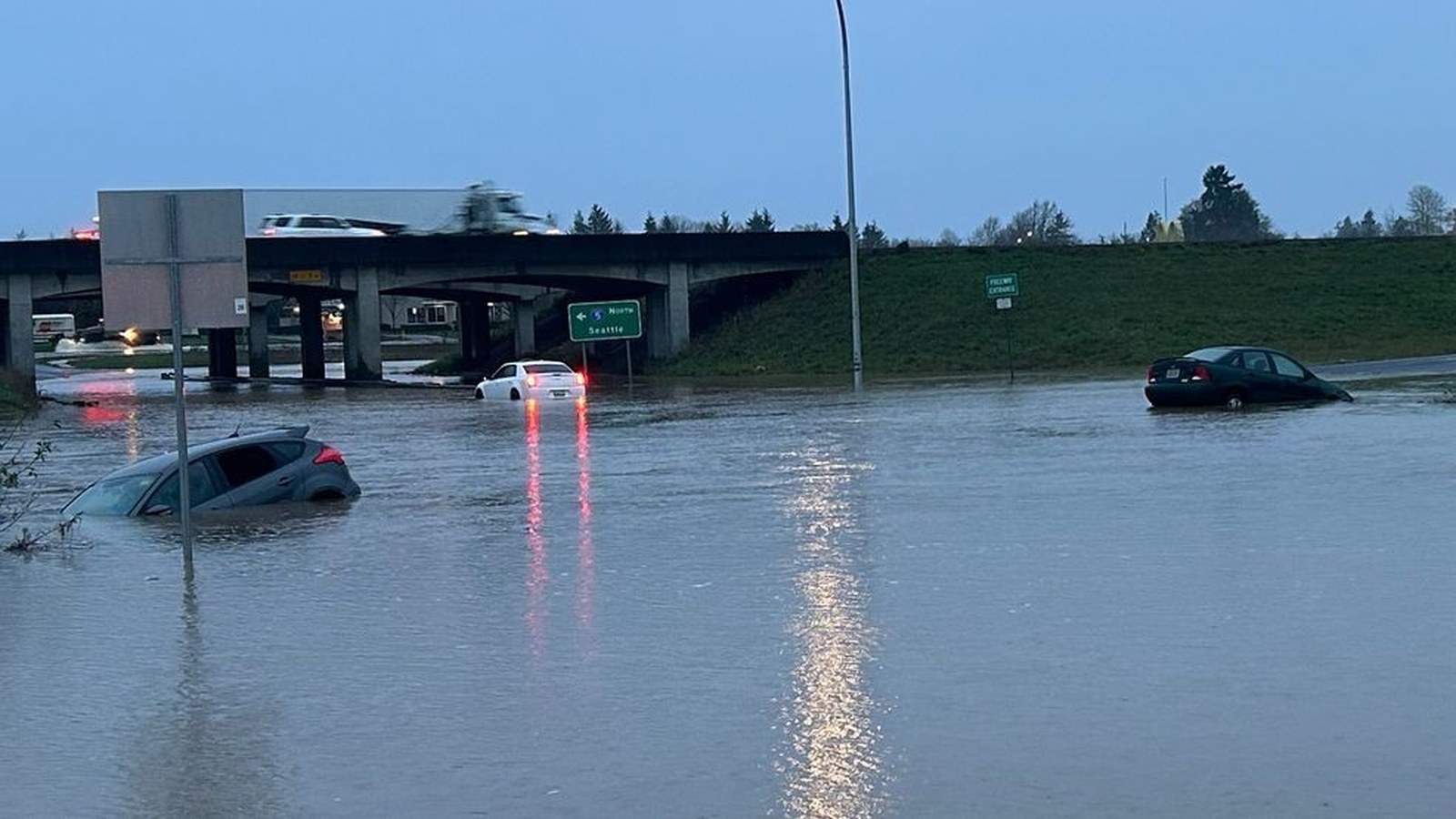
Lewis County faces its own crisis, with the Chehalis, Newaukum, and Skookumchuck rivers all predicted to approach near-record levels. The Chehalis Basin is particularly vulnerable, and emergency managers are advising those in flood-prone zones to seek higher ground. Fire crews have already conducted multiple water rescues, including saving five people from partially submerged vehicles in Napavine.
Communities Mobilize Amid State of Emergency
With flooding threatening homes, livestock, and critical infrastructure, local governments have moved swiftly. Snohomish County Executive Dave Somers declared a state of emergency, enabling authorities to bypass certain administrative requirements and allocate funds rapidly for flood response. Roads in Snohomish, Monroe, Gold Bar, and other communities have been closed due to standing water, and several vehicles have been stranded after attempting to drive through flooded areas—prompting further rescue operations.
The Washington State Emergency Operations Center has been elevated to Level 1 activation, its highest status, indicating a coordinated response across multiple agencies. The Washington National Guard stands ready to assist, and additional shelters have opened, including a Red Cross facility at Monroe’s Evergreen State Fairgrounds.
Infrastructure is under strain. The George Milroy Bridge in Fife remains closed for inspection after possible weather damage, while the Grays Harbor County dam near Lake Sylvia State Park is showing signs of stress due to persistent rainfall. In Auburn, King County workers are installing flood control barriers along the White River as the U.S. Army Corps of Engineers increases dam releases to maintain safety.
Record Rainfall and Landslides Compound Challenges
The atmospheric river has already set new daily rainfall records. Olympia Regional Airport received 3.03 inches of rain on Monday, surpassing its previous record from 2015. Coastal areas like Quillayute and Hoquiam also broke decade-old records, with lowlands soaked by over an inch and mountains receiving up to seven inches in the Cascades.
Rain isn’t the only threat. Landslides have closed portions of Oregon’s Highway 101, and urban flooding has forced closures of highways, ramps, and bridges throughout the region. In Portland, high water delayed traffic and led to brief ramp closures on Interstate 5.
At Snoqualmie Falls, the water level reached its highest in a decade, cresting at 17.8 feet Tuesday morning. While not matching the catastrophic records of 1990 and 2009, local flood plain managers report rising insurance claims and warn of multiple hazards converging—flooding, landslides, and the risk of infrastructure failure.
Resilience and Preparation Amid Uncertainty
Residents across Western Washington are adapting as best they can. Livestock has been moved to higher ground in Snohomish, and sandbags have been distributed along vulnerable streets in Sultan and other towns. Emergency shelters have opened, and animal sheltering is available at the Evergreen State Fairgrounds.
Local officials and meteorologists urge people to heed warnings, avoid driving through standing water, and make contingency plans as road closures and transit delays multiply. Sound Transit’s S Line trains are facing significant delays due to track blockages near Puyallup, complicating morning commutes.
Safety tips from the Seattle Department of Transportation stress extra stopping distance, slow speeds, and avoiding waterlogged roads. Seattle Public Utilities encourages residents to clear drains and sign up for emergency alerts, while first responders remain on standby for further rescues.
As the atmospheric river continues its onslaught, uncertainty reigns. Mayor Marla Reed of Concrete summed up the mood: “We’re just watching the river.” For many communities, it’s a tense waiting game—one where the stakes are measured in homes, livelihoods, and memories built beside these rivers.
Assessment: Washington’s latest flood crisis illustrates the vulnerability of modern communities to extreme weather events. The coordinated response by local and state agencies, coupled with the resilience of residents, has so far limited casualties and infrastructure damage. Yet, with climate patterns growing more volatile, the region’s experience is a stark reminder that preparedness and rapid action remain essential in safeguarding lives and property. As rivers crest and rain continues, the lessons learned here will shape future responses to the Pacific Northwest’s ever-shifting climate.