

Quick Read
- Arizona, California, and Nevada have proposed a 1-million-acre-foot reduction in Colorado River water usage through 2028.
- The plan aims to stabilize Lake Mead and Lake Powell following the driest winter on record in the U.S. West.
- Federal authorities are currently reviewing the proposal while simultaneously managing emergency water releases to prevent hydropower collapse.
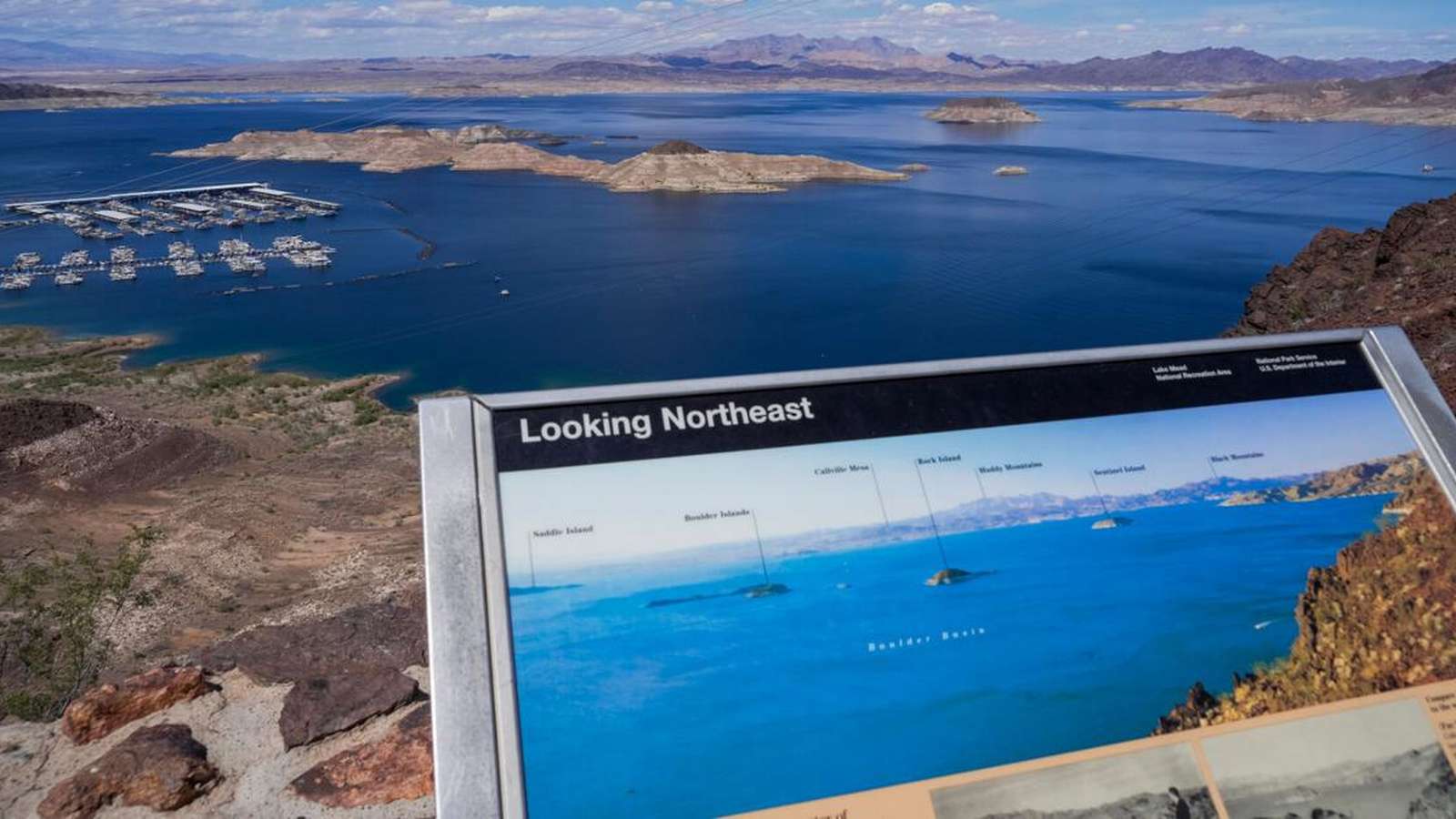
LOS ANGELES (Azat TV) – Facing the driest winter on record in the American West, officials from Arizona, California, and Nevada announced a temporary agreement on May 8, 2026, to cut water consumption from the Colorado River by 1 million acre-feet through 2028. This proposal seeks to stabilize rapidly declining water levels at Lake Mead and Lake Powell, which serve as critical indicators for the river basin that supports 40 million people across seven states and Mexico.
Stakes of the California Arizona Nevada Water Agreement
The proposed cuts are intended to supplement existing conservation efforts, bringing the total reduction to 3.2 million acre-feet. This volume is sufficient to sustain 25 million people annually. Arizona, bearing the brunt of the crisis, has offered to relinquish 28% of its allocation. Combined with Nevada’s share, the two states would reduce their usage by approximately one-third, while California has committed to a 13% reduction. These cuts are expected to impact agricultural operations, industrial sectors, and municipal water supplies, potentially leading to increased costs for residents and businesses.
Federal Intervention and Infrastructure Risks
While state officials negotiate, the U.S. Bureau of Reclamation has initiated emergency measures to protect hydropower generation at the Glen Canyon Dam. The agency is releasing up to 1 million acre-feet from the upstream Flaming Gorge Reservoir to maintain critical water elevations. Experts warn that this is a reactive patch rather than a sustainable solution. Doug Kenney of the University of Colorado Boulder noted that the physical inability to pass water downstream remains a critical threat, as the hydropower penstocks at Glen Canyon Dam serve as the primary mechanism for releasing water from Lake Powell.
Regional Tensions and Long-Term Stability
The proposal faces significant scrutiny from Upper Basin states, including Colorado and Wyoming, who argue that the current plan fails to sufficiently protect long-term resources. Wyoming Water Commissioner Brandon Gebhart warned that the drawdown of the Flaming Gorge Reservoir would negatively impact local economies and recreational activities for years. As federal officials review the Lower Basin’s proposal, calls for a mediator have intensified to address the deepening divide between regional stakeholders. Conservationists, including Kevin Moran of the Environmental Defense Fund, characterize the current situation as the 11th hour for the river system, emphasizing the need for a permanent, collaborative agreement before existing rules expire.
The reliance on short-term emergency releases and voluntary usage cuts underscores a structural failure in the century-old water allocation model, suggesting that without fundamental infrastructure reform, the Colorado River system will remain in a state of perpetual crisis regardless of temporary conservation gains.