
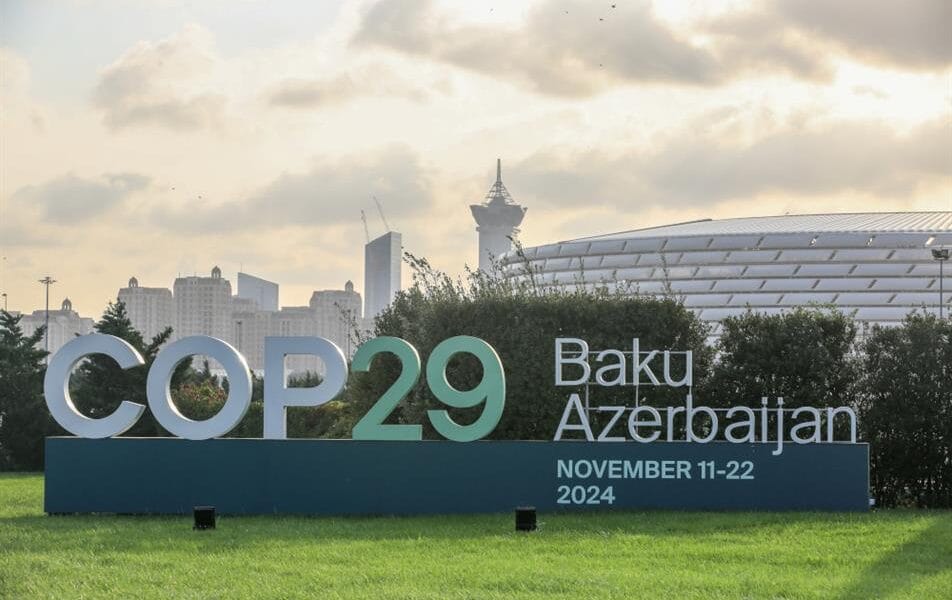
As the 29th Conference of the Parties (COP29) to the UN Framework Convention on Climate Change approaches, a notable number of world leaders are choosing to stay home, casting a shadow over the event billed as the “finance COP”. While over 100 heads of state and government have confirmed their attendance, key figures like European Commission President Ursula von der Leyen, French President Emmanuel Macron, and German Chancellor Olaf Scholz have announced their absence.
This lack of high-level participation stems from a confluence of factors, including political tensions, scheduling conflicts, and a growing sense of disillusionment with the efficacy of these large-scale climate conferences. Macron’s decision to skip COP29 is reportedly linked to strained relations between France and Azerbaijan over the latter’s military actions in the Karabakh region. Scholz’s cancellation follows the recent collapse of his ruling coalition government in Germany.
Beyond Europe, other prominent world leaders, including US President Joe Biden, Brazilian President Luiz Inácio Lula da Silva, and King Charles of the United Kingdom, will also be missing from the event. Their absences, coupled with the notable absence of leaders from countries like Canada, India, China, South Africa, and Australia, further underscore the dwindling enthusiasm for COP29.
Adding to the growing sense of disillusionment is Papua New Guinea’s decision to boycott the conference altogether. Prime Minister James Marape declared COP29 a “total waste of time,” citing a lack of tangible support from developed nations for vulnerable island states grappling with the devastating impacts of climate change. Papua New Guinea’s Foreign Affairs Minister, Justin Tkatchenko, emphasized the country’s refusal to “tolerate empty promises and inaction” while its people suffer the consequences of rising sea levels and intensifying natural disasters.
This wave of high-profile absences reflects a broader sentiment of frustration with the perceived lack of progress and concrete action emerging from past climate conferences. While these events provide a platform for dialogue and negotiation, critics argue that they often fail to translate into meaningful change on the ground.
Interestingly, this year’s COP29 aims for a more streamlined approach, with the UNFCCC limiting attendance to around 40,000 people – a significant reduction from the record-breaking 83,884 attendees at COP28 in Dubai. UN Climate Chief Simon Stiell has expressed a desire to prioritize the quality of outcomes over sheer numbers, suggesting a shift in focus towards achieving concrete results.
Whether this smaller, more focused approach can effectively address the growing sense of disillusionment and translate into tangible climate action remains to be seen. However, the dwindling attendance of world leaders at COP29 serves as a stark reminder of the challenges and complexities surrounding global climate negotiations.