


World population is a story of change—sometimes dramatic, sometimes subtle. It’s a narrative shaped by shifting birth rates, expanding megacities, and the delicate balance of biodiversity. But behind the numbers, there’s a deeper debate: are we heading toward a crisis of over-population, or should we be more concerned about falling birth rates and their economic and social consequences?
In the late 20th century, the debate between economist Julian Simon and population scientist Paul Ehrlich captured the world’s imagination. Ehrlich, whose warnings about a ‘population bomb’ made him a household name, predicted that rapid population growth would trigger mass famine and resource shortages. His solution? Drastic measures like luxury taxes on baby products, and even considering sterilizing the water supply. Simon, in contrast, believed human ingenuity would overcome resource limits and that more people could mean more wealth and innovation.
Their famous bet on commodity prices wasn’t just about metals—it was about the fate of humanity. As history unfolded, Simon’s optimism proved closer to reality: the prices of key metals fell, and the proportion of people living in extreme poverty dropped. Famines, while tragic, never reached the scale Ehrlich predicted. Most deaths were tied to political upheaval rather than pure resource scarcity. In fact, the near-elimination of large-scale famines stands as one of the modern era’s quiet triumphs.
Yet the debate didn’t end there. Activists like those behind the BirthStrike Movement, inspired by climate concerns, now urge people not to have children at all. Meanwhile, organizations such as Population Matters maintain a live ticker of world population—a reminder of just how fast humanity is still growing, even as birth rates decline in many regions.
Today, the world’s demographic landscape is shifting in ways few predicted. Modern societies need a fertility rate of at least 2.1 children per woman to sustain their populations. Yet the average across OECD countries is only 1.43, with places like South Korea, Taiwan, and Singapore reporting rates below 1.25. South Korea, in particular, stands out with a startlingly low rate of 0.7—the lowest in the world. If such trends continue, simple math shows dramatic declines ahead: for every 100 South Koreans today, there could be just six great-grandchildren in the future.
The reasons for this reversal remain elusive. The population boom of the 19th and 20th centuries was driven by the Industrial Revolution, which slashed child mortality rates and allowed families to grow. But why are people everywhere—from India to Europe—now choosing to have fewer children? That remains one of the great sociological mysteries of our time.
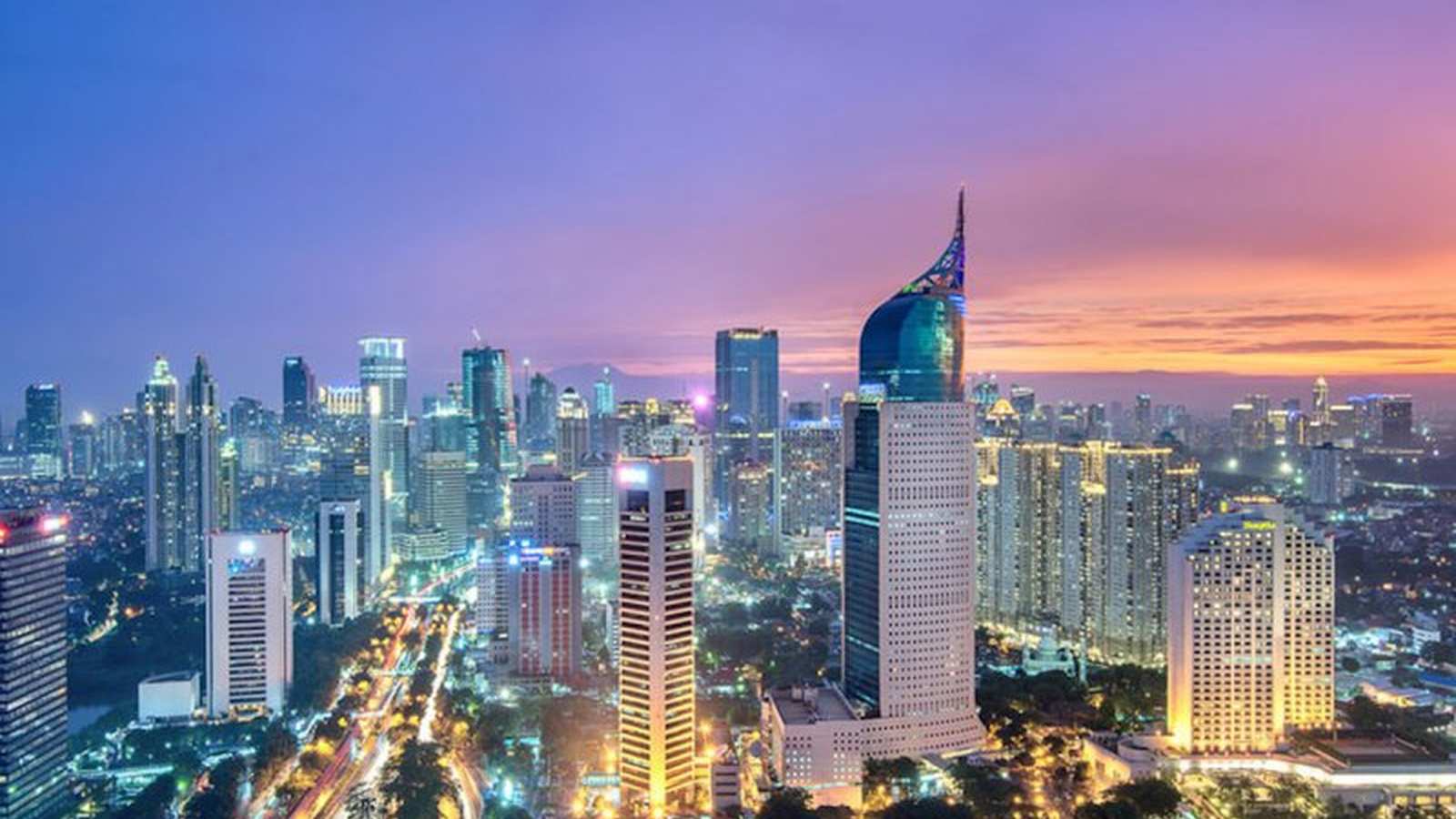
While some regions face population decline, others are seeing explosive urban growth. According to a recent United Nations report, Jakarta now claims the title of the world’s largest city, with 41.9 million residents. Dhaka, the capital of Bangladesh, is close behind. Tokyo, once the world’s largest urban area, has fallen to third place and is projected to drop even further by 2050 as Japan’s aging society shrinks its population. This urbanization trend is not just a matter of numbers—it’s reshaping economies, infrastructure, and climate strategies.
Two-thirds of global population growth between now and 2050 will occur in cities, according to the UN. That means city planners and policymakers need to act fast to make urban growth sustainable. The challenge is especially acute in developing countries, where megacities are growing fastest and infrastructure often struggles to keep pace.
Population isn’t just about people—it’s about the wider web of life. A recent study of African forest elephants, for example, found their population is larger than previously believed, with 135,690 individuals counted in 2024. This is good news for conservationists, who have long worried about the species’ survival amid poaching, habitat loss, and human expansion. Elephants are more than just majestic animals; they’re a keystone species, crucial for maintaining forest health and enhancing carbon storage. Their presence helps balance entire ecosystems and even impacts climate by improving carbon capture over vast areas—up to 250 acres per elephant.
Accurate population data isn’t just an academic concern—it’s vital for conservation, urban planning, and resource management. Knowing where and how populations are shifting lets governments allocate resources wisely, prepare for aging societies, and protect biodiversity. As IUCN director general Grethel Aguilar noted, effective conservation efforts are starting to pay off for some threatened species, but the challenge is far from over.
So, what does the future hold? The world population is expected to peak in the mid-2080s, after which it may begin to decline. The question is no longer simply whether we can feed the world’s billions, but how we’ll adapt to shrinking workforces, aging societies, and the potential loss of biodiversity. Will innovation ‘save the day’ as Simon suggested, or will new solutions be needed to address challenges Ehrlich never imagined?
In the end, world population trends are a mosaic of hope, risk, and uncertainty. From the crowded streets of Jakarta to the dwindling birth rates of Seoul, from the forests of Africa to the aging suburbs of Tokyo, the numbers tell a story that’s always evolving. The stakes? Nothing less than the future of humanity and the planet we call home.
As history shows, predictions about population can be spectacularly wrong. The most pressing issue today may not be over-population, but rather how societies handle the consequences of falling birth rates, urban sprawl, and biodiversity loss. Understanding these trends is essential—not just for economists and ecologists, but for anyone interested in shaping a sustainable future.
Sources: The Spectator, The Cool Down, news.az