


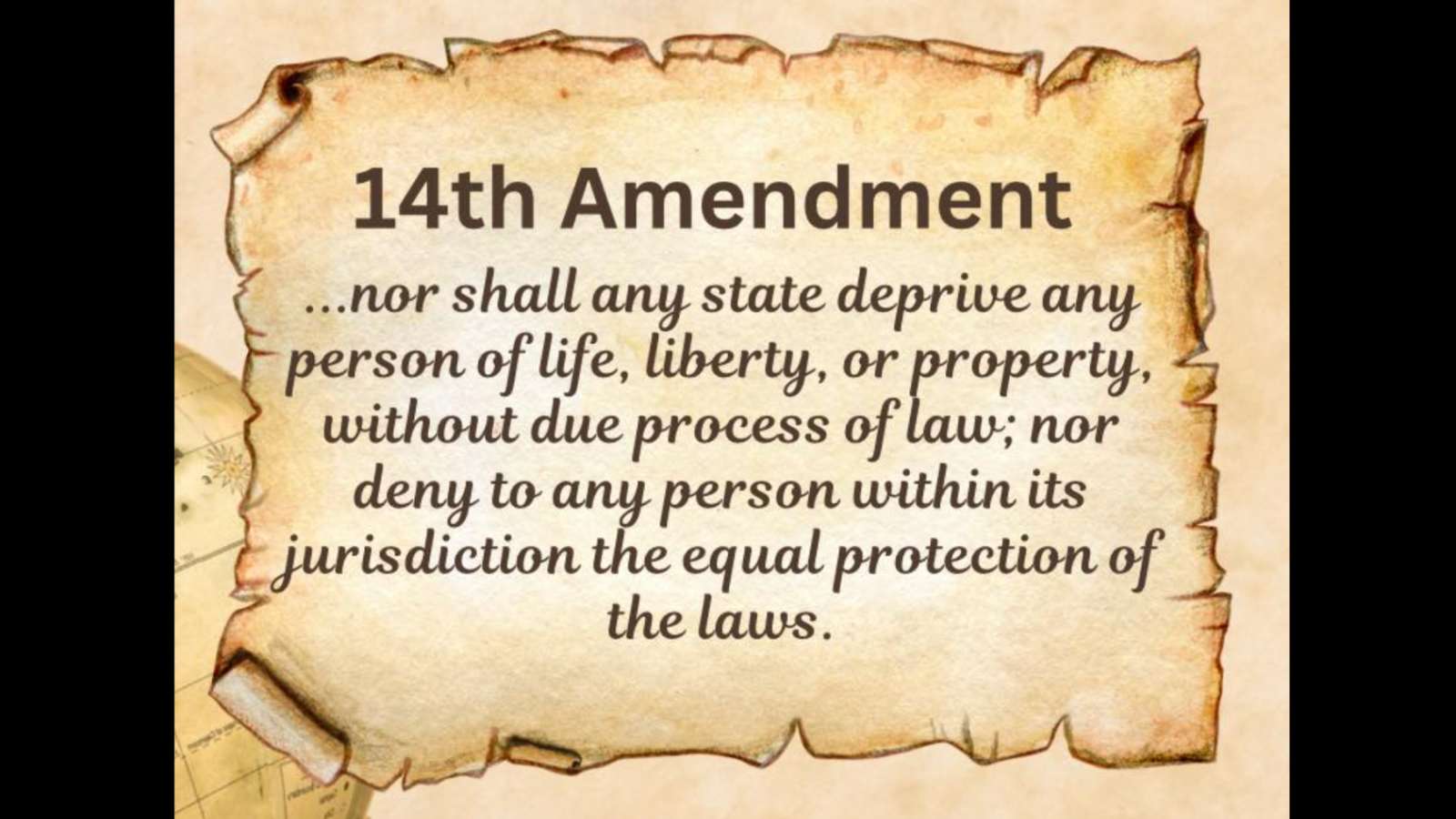
In a landmark public recognition finalized this spring, the 14th Amendment to the U.S. Constitution has been voted the most significant national document in American history. The distinction, awarded in March 2026 following a nine-month competition hosted by the National Archives Foundation and the More Perfect alliance, underscores the amendment’s enduring role as the bedrock of modern American civil rights and federal authority.
A Reconstruction-Era Turning Point
Legal scholars and historians are increasingly framing the 14th Amendment as a “second Constitution” that fundamentally altered the nation’s legal trajectory. Ratified in 1868 during the Reconstruction Era, the amendment served as a formal resolution to the divisions of the Civil War, shifting the focus of the U.S. government from a system heavily weighted toward states’ rights to one prioritizing national power and individual equality.
“The first constitution was much more pro-slavery, much more focused on states’ rights,” said Gerard Magliocca, a professor at the Indiana University Robert H. McKinney School of Law. “The second constitution is anti-slavery and committed to a much greater extent to equal rights on the basis of race.”
The Stakes of Birthright and Equal Protection
The significance of the 14th Amendment lies in its explicit definitions, which were absent in the original constitutional text. Section 1 of the amendment directly overturned the Supreme Court’s 1857 Dred Scott decision by establishing birthright citizenship for all persons born or naturalized in the United States. Furthermore, it mandated that no state shall deny any person the due process of law or the equal protection of the laws.
Despite its current status as a cornerstone of American democracy, the amendment’s origins were marked by intense resistance. Magliocca noted that while Republican supporters in the 1860s viewed their electoral victories as a mandate for the change, Southern states initially resisted implementation. This period of friction established a legal precedent that courts would grapple with for over a century, as the judiciary moved from narrow interpretations to the broader, more expansive protections recognized today.
Ongoing Debates Over Constitutional Intent
The amendment remains at the center of contemporary debates regarding the role of the judiciary and the interpretation of civil rights. Critics of modern court decisions, such as those impacting the Voting Rights Act, have highlighted the tension between the “color-blind” theories often cited by the current Supreme Court majority and the historical intent of the Reconstruction-era amendments to address specific racial inequalities.
As the nation moves further from the 19th century, the 14th Amendment continues to serve as the primary legal instrument for constitutional challenges. By addressing not only citizenship but also the disqualification of insurrectionists from public office and the protection of national debt, the document remains a vital, if occasionally debated, framework for ensuring the integrity of the American republic.
The sustained relevance of the 14th Amendment demonstrates that the document functions as a living legal instrument, where its broad, transformative language continues to be the primary tool for reconciling American democratic ideals with evolving social and political realities.