


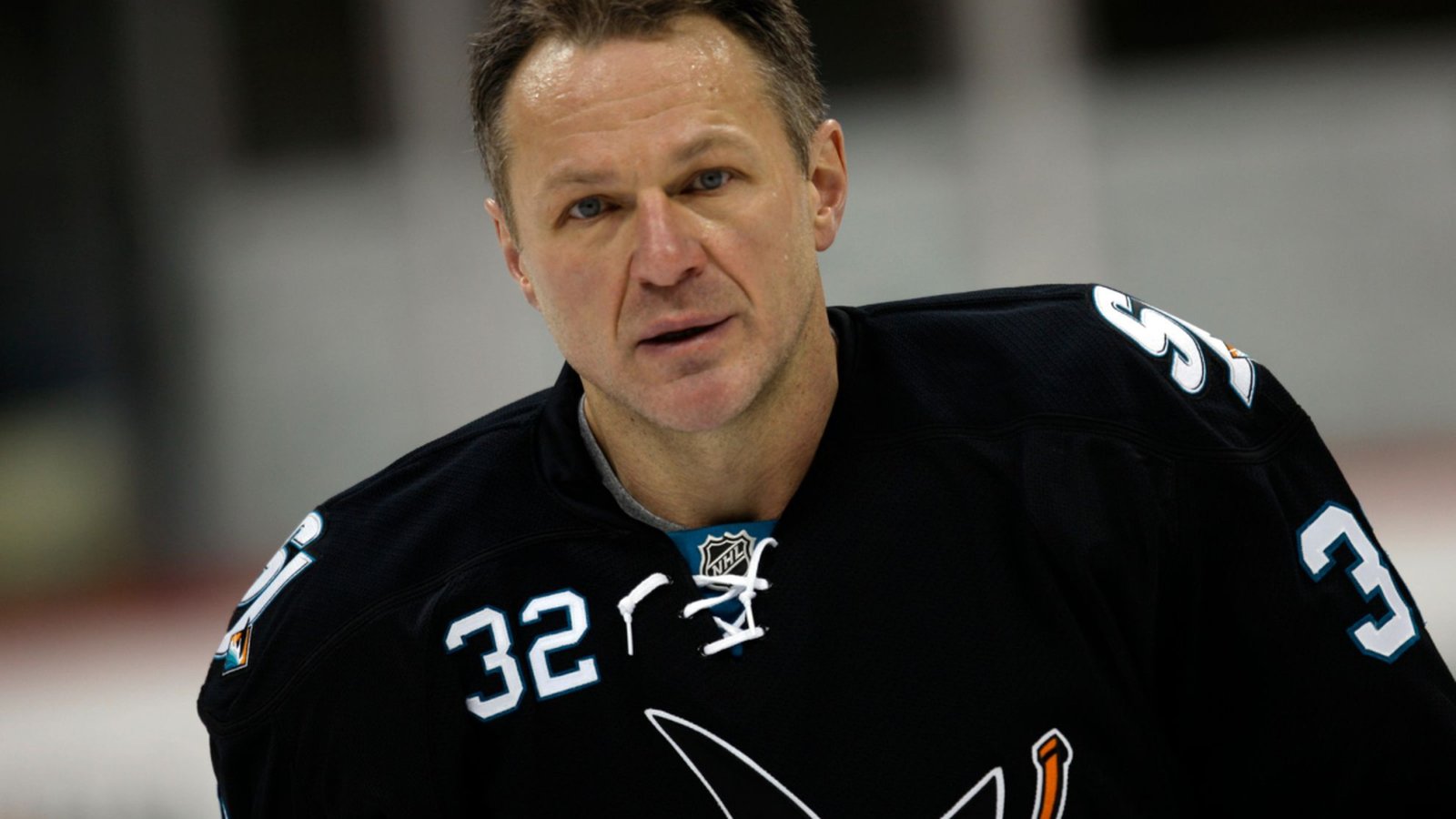
Newly released investigative records have shed light on the final hours of four-time Stanley Cup champion Claude Lemieux, who died by suicide on May 28, 2026, at the age of 60. The documents, first obtained by media outlets including TMZ, detail the events of the evening leading up to his death, revealing that his family had been actively monitoring his well-being due to concerns about a potential relapse.
The Final Hours
According to the report, Lemieux’s wife, Deborah, confronted him on the evening of May 27 after observing behavioral changes over the preceding year. During this conversation, Lemieux reportedly acknowledged that he had resumed drinking after approximately 12 years of sobriety. Following this admission, Deborah requested that he leave the family residence.
His son, former NHL player Brendan Lemieux, was contacted by his mother and arrived at the home to assist in the situation. Upon noting that his father’s mobile phone location was at the family’s business in Lake Park, Florida, Brendan drove to the site. Aware that his father typically kept a firearm in his truck, Brendan took the precaution of securing the weapon in his own vehicle before entering the warehouse. He discovered his father inside and immediately contacted 911 at 3:24 a.m. Emergency responders pronounced Claude Lemieux dead shortly after their arrival.
Public Response and Privacy
In the wake of the report’s release, Brendan Lemieux issued a statement addressing the coverage. He expressed frustration with speculative and inaccurate media accounts, urging the public to rely on verified information. He also requested that fans and the media respect the family’s privacy during their grieving process, emphasizing the importance of loyalty and support within the hockey community.
Broader Context on Athlete Well-being
The tragedy has reignited public discourse regarding the mental health challenges faced by retired professional athletes. Claude Lemieux, a 20-season NHL veteran who played for teams including the Montreal Canadiens and New Jersey Devils, was renowned for his physical play and playoff success, including a 1995 Conn Smythe Trophy win. The circumstances surrounding his death have prompted experts and the hockey community to reflect on the long-term support systems necessary for athletes transitioning from the high-pressure environment of professional sports to retirement.