


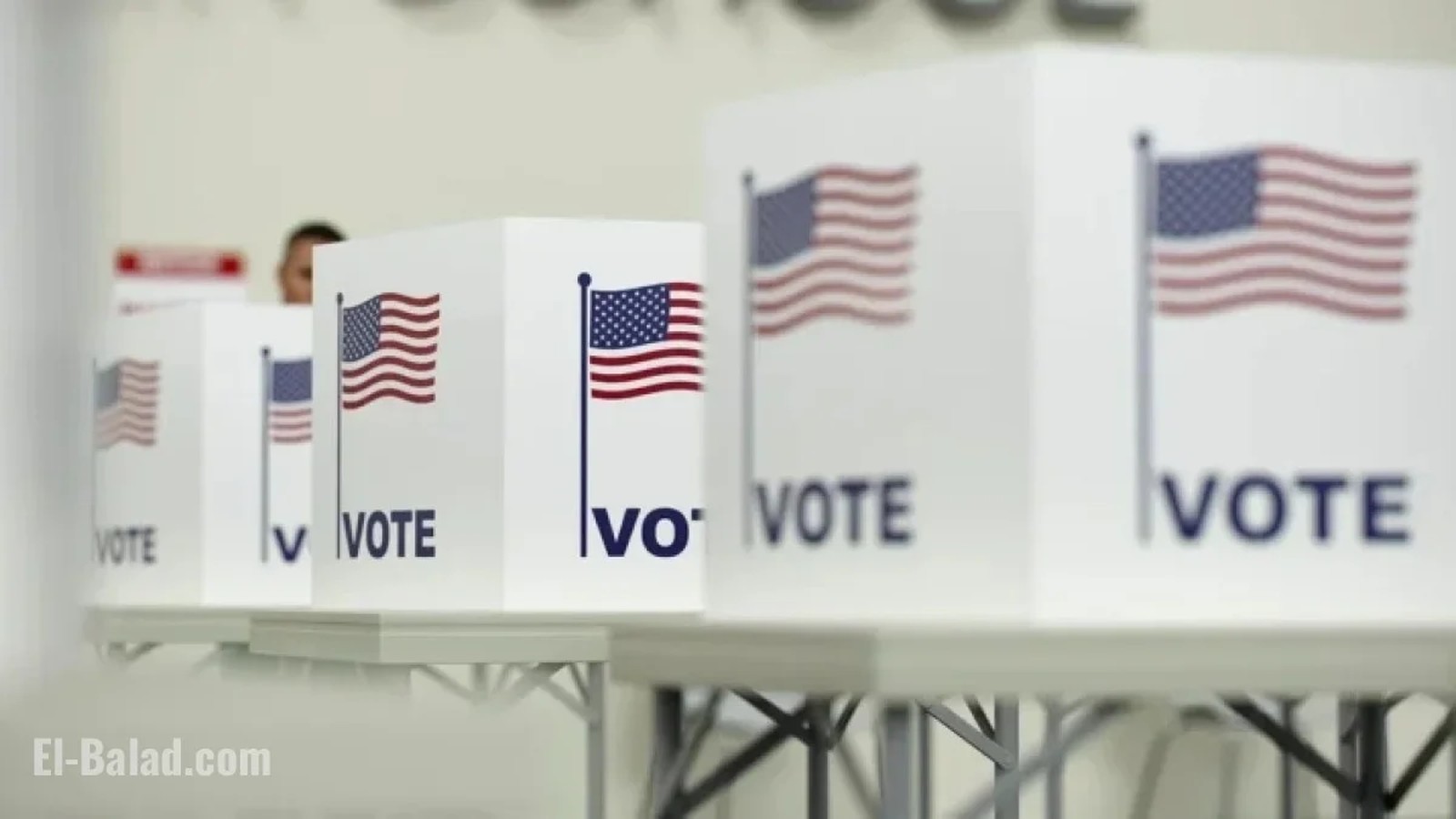
LONDON (Azat TV) – Polling stations across 136 English local authorities are scheduled to close at 10:00 PM BST tonight, May 7, 2026, marking the conclusion of a high-stakes electoral cycle that will determine more than 5,000 council seats and six mayoralties. As voters head to the polls in a day defined by significant political movement, officials have reminded the public that anyone still waiting in line at the designated closing time will legally be permitted to cast their ballot.
Polling Station Hours and the 10 PM Deadline
The 2026 local and mayoral elections have seen consistent traffic since stations opened at 7:00 AM this morning. The 10:00 PM cutoff is a firm deadline for arrival, but electoral law protects the rights of those already present. According to official guidelines, as long as a voter is in the queue by 10:00 PM, they must be allowed to vote. This rule is particularly relevant in high-density wards where turnout is expected to surge in the final hours of the evening.
Voters who are unsure of their specific polling location are advised to check their poll cards or contact their local council. Electoral authorities are required to ensure that all stations are within easy reach and provide reasonable facilities for all residents. For those who cannot attend in person, the deadlines for postal and proxy voting have already passed, meaning today represents the final opportunity for registered voters to influence the composition of their local government.
Mandatory Voter ID and Eligibility Requirements
A critical factor in today’s proceedings is the mandatory requirement for photo identification. This year’s elections continue the enforcement of voter ID laws, requiring residents to present an accepted form of identification before receiving a ballot paper. Accepted documents include a passport, driving licence, local travel pass, or a PASS card. Digital IDs are also being accepted at many locations, provided they meet the official criteria set by the Electoral Commission.
Officials have clarified that the address on the presented ID does not need to match a voter’s current registered address, but the name must align with the entry on the Electoral Register. For those without standard identification, the deadline to apply for a free Voter Authority Certificate has passed, making it essential for voters to bring their existing valid documents to the polling station to avoid being turned away.
Stakes of the 2026 Local Election Cycle
The scale of today’s vote is immense, with nearly 25,000 candidates competing for 5,000 seats across 2,969 wards and divisions. The results will offer the most comprehensive look at the current British political landscape ahead of future national contests. Labour is currently defending approximately 2,500 seats, largely concentrated in London and metropolitan boroughs, while the Conservatives are defending 1,236 seats. The Liberal Democrats and the Green Party are also defending 706 and 194 seats, respectively.
A notable development in this cycle is the aggressive expansion of Reform UK, which has fielded nearly 4,800 candidates, a figure that rivals the major parties and signals a potential shift in traditional voting patterns. Additionally, six directly elected mayors will be chosen in key constituencies including Hackney, Tower Hamlets, and Watford. Initial results from the council races are expected to emerge in the early hours of Friday morning, while mayoral declarations are anticipated throughout May 8 and May 9.
The unprecedented volume of candidates from non-traditional parties suggests that tonight’s results may signal a fundamental realignment of local government priorities, shifting the focus from routine administration to broader ideological mandates.