


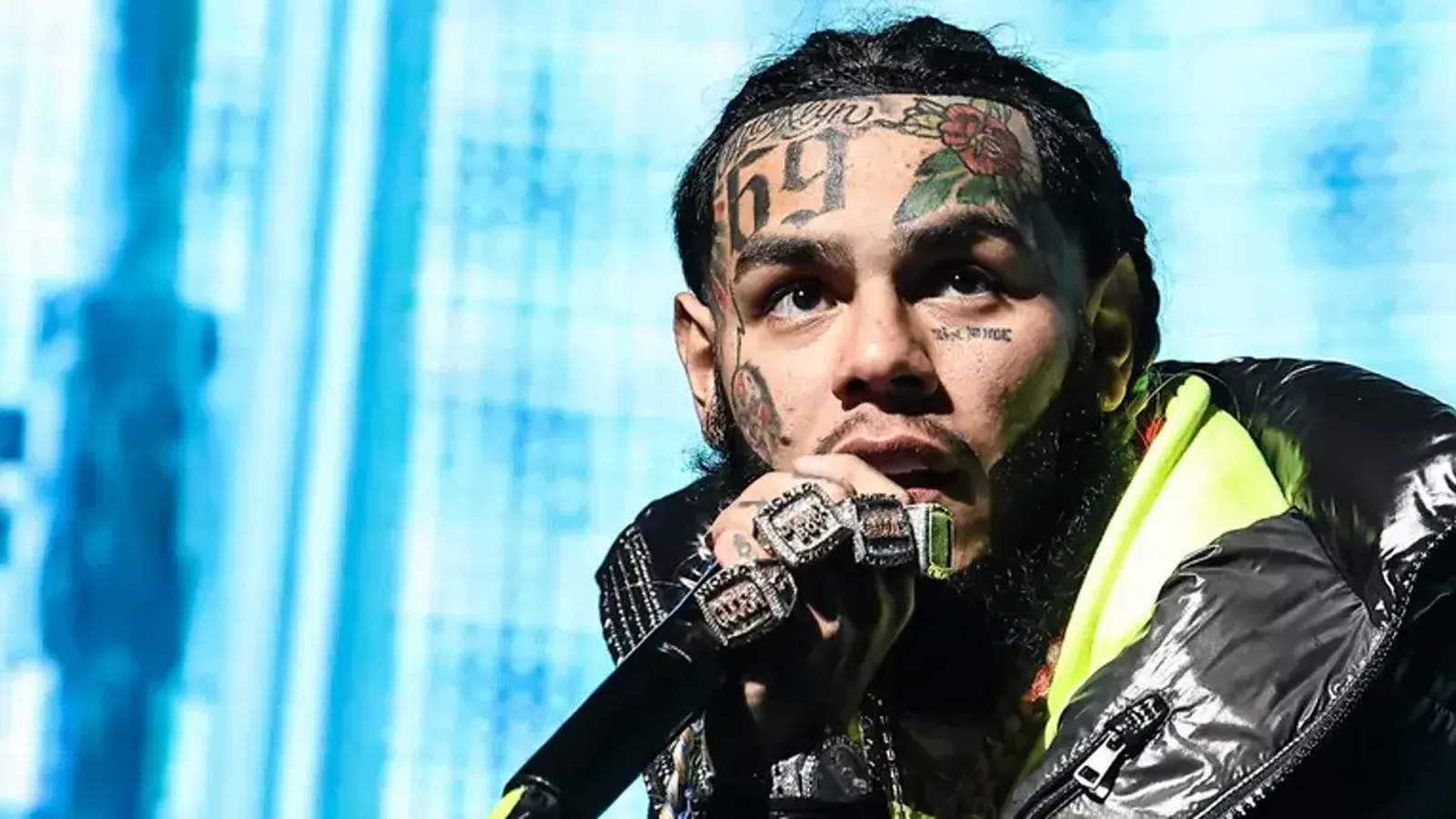
The Escalation of Public Outrage
The recent discourse surrounding Daniel Hernandez, professionally known as 6ix9ine, has shifted from routine legal updates to a profound crisis of public perception. During a livestreamed gender reveal event alongside internet personalities Adin Ross and N3ON, Hernandez made inflammatory remarks regarding the unborn child’s gender, stating, “If it’s not a boy, then it’s abortion.” Despite subsequent confirmation that the couple is expecting a boy, the comment triggered immediate and widespread condemnation. This incident represents a significant departure from the rapper’s previous controversies, moving beyond legal entanglements into the realm of moral outrage that threatens to alienate even his most dedicated audience segments.
The Intersection of Rage-Baiting and Media Consumption
Hernandez has long utilized a “rage-baiting” strategy to maintain visibility in a fractured digital landscape. By intentionally courting controversy, he ensures consistent engagement metrics, yet this cycle has reached a point of diminishing returns. The normalization of extreme public statements as a marketing tool is increasingly being met with fatigue rather than curiosity. This shift is evidenced by the rapid spread and subsequent debunking of a viral death hoax, which claimed the artist had passed away due to kidney failure. While the hoax was proven false—using an archival image from his 2018 hospitalization—the speed at which the narrative gained traction highlights the lack of institutional sympathy currently afforded to the performer.
Legal Context and Institutional Scrutiny
The rapper’s personal life remains inextricably linked to a complex history of federal involvement. Following his testimony against the Nine Trey Gangsta Bloods and subsequent prison sentences for racketeering and parole violations—the most recent concluding in April 2026—Hernandez’s public commentary is now viewed through the lens of a career defined by instability. His recent pivot to commenting on the legal woes of peers, such as Drake and Lil Durk, whom he characterized as suffering from “divine punishment,” serves as an attempt to reframe his own narrative. By projecting his history of adversity onto industry contemporaries, he seeks to maintain relevance, yet these assertions often clash with the gravity of the federal charges currently facing figures like Lil Durk, whose trial is set for August 2026.
The trajectory of 6ix9ine’s career serves as a case study for the limitations of performative provocation in the digital age. As the audience grows increasingly discerning regarding the distinction between artistic expression and genuine malice, the social capital required to sustain a career built on volatility is rapidly depleting. The convergence of moral condemnation and the trivialization of his personal hardships—exemplified by the ease with which misinformation about his health is accepted—suggests that the rapper has entered a phase of diminishing influence, where the shock value that once defined his success is now the primary catalyst for his isolation from the mainstream cultural conversation.