


Quick Read
- DeepSeek R1 reveals how smaller AI models can rival larger systems at a fraction of the cost, shifting industry dynamics.
- U.S. export restrictions on advanced GPUs haven’t stopped China from progressing in AI through indirect knowledge acquisition.
- The future of AI may prioritize specialization and local processing over centralized, cloud-based models.
In recent months, a quiet shift in artificial intelligence (AI) has rattled assumptions about global leadership in the field. The emergence of DeepSeek R1, a highly efficient AI model rivaling OpenAI’s GPT-4o1, has highlighted vulnerabilities in U.S. strategies to maintain dominance in the sector. By offering competitive performance at a fraction of the cost, DeepSeek R1 has redefined what it means to innovate in AI—and exposed how American advances may inadvertently benefit competitors, including China.
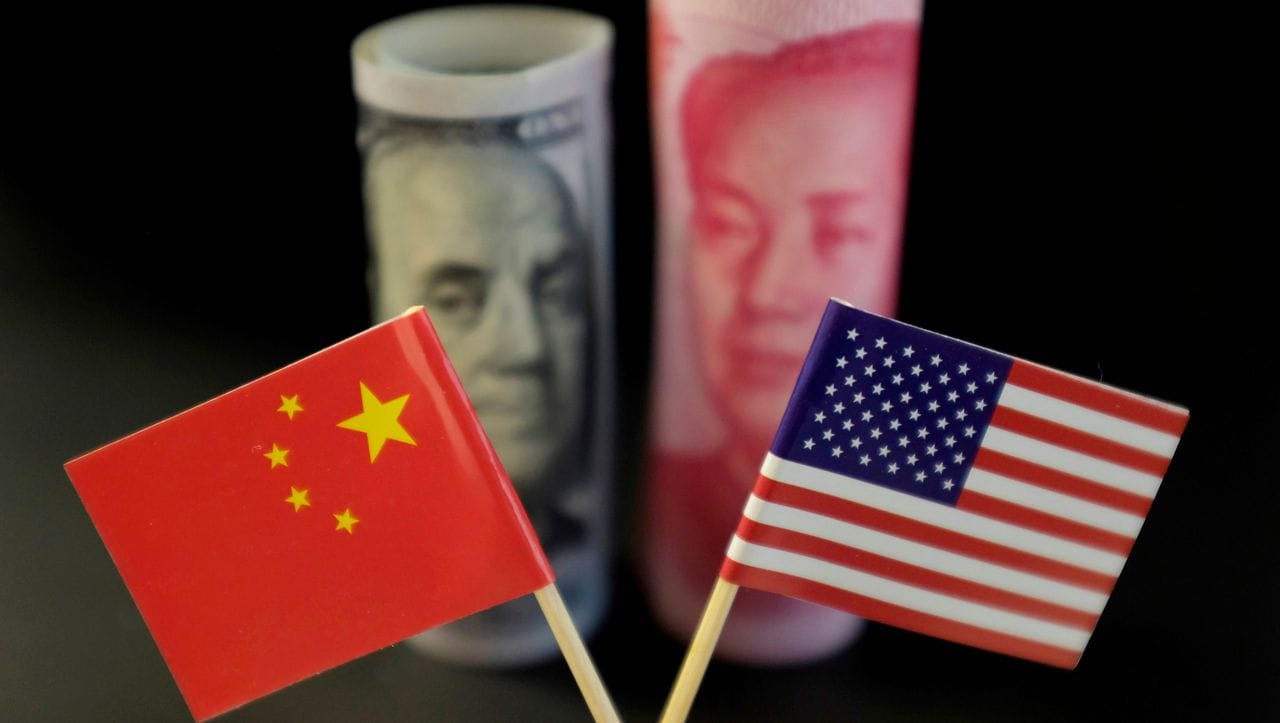
DeepSeek R1 reshapes AI cost and accessibility
Developed at a reported cost of just $6 million, DeepSeek R1 has shattered the long-standing belief that cutting-edge AI requires billions in investments and exclusive access to high-end Nvidia GPUs. According to The New York Times, its creators leveraged distillation techniques, allowing the model to absorb knowledge from larger systems like GPT-4o1 without directly copying them. This approach not only cut costs but also demonstrated that AI training can be significantly more efficient.
What makes DeepSeek R1 particularly disruptive is its accessibility. Unlike many large AI systems that rely on centralized cloud infrastructure, it can run locally on high-performance workstations. This eliminates rate limits and reduces costs for users, a stark contrast to OpenAI’s $15 per million input tokens compared to DeepSeek’s $0.55 for the same number.
The implications are profound. If AI models of this caliber can operate independently of cloud services, the centralized business model underpinning giants like OpenAI and Anthropic could face serious challenges. As CSD in the World notes, this shift could democratize AI, enabling smaller organizations and individuals to compete in domains previously dominated by well-funded tech giants.
Export restrictions fail to contain China’s AI progress
For over two years, the U.S. has enforced strict export controls on Nvidia’s advanced GPUs, such as the A100 and H100, in an effort to slow China’s AI advancements. Yet, DeepSeek R1’s development underscores the limitations of this strategy. According to Carey, the model likely benefited from indirect exposure to U.S. technologies, utilizing distillation methods to learn from American systems without needing restricted hardware.
This raises critical questions about the effectiveness of U.S. policies. While hardware restrictions aim to curb China’s access to advanced AI capabilities, they do little to prevent the transfer of knowledge through open research or reverse engineering. Moreover, as Chinese models continue to improve, they may rely less on Western systems, further diminishing the impact of U.S. export controls.
As The Atlantic points out, this dilemma is not just technical but strategic. Should U.S. policymakers refocus their efforts on regulating model architectures and training techniques rather than hardware? Or is it time to accept that containment may no longer be a viable strategy in a rapidly globalizing AI landscape?
The rise of specialized AI applications
While DeepSeek R1 challenges the dominance of general-purpose models like GPT-4o1, it also highlights a broader trend: the specialization of AI. Models are increasingly tailored for specific industries, from healthcare and software development to music composition and scientific research. This shift allows smaller players to carve out niches without needing to compete directly with tech giants.
For instance, while OpenAI’s integration with Microsoft provides an unparalleled ecosystem for enterprise users, specialized models like DeepSeek R1 can appeal to developers seeking cost-effective, high-performance solutions for targeted applications. As Wired observes, even small performance advantages in niche areas can build user loyalty and market share.
This diversification could ultimately lead to a more competitive and resilient AI landscape, where innovation is driven by a broader range of actors. However, it also complicates efforts to regulate the technology, as no single entity will control its future trajectory.
AI as the great equalizer
Beyond its economic and geopolitical implications, the rise of models like DeepSeek R1 signals a deeper societal shift. Historically, cognitive ability has been a key determinant of success, influencing everything from corporate hierarchies to scientific breakthroughs. But as AI becomes more accessible, these advantages may erode.
According to CSD in the World, AI has the potential to level the playing field by making complex tasks—such as drug discovery, software design, and disease diagnosis—accessible to individuals without specialized training. This does not mean human intelligence will become obsolete, but it will shift the focus from raw cognitive ability to the strategic and ethical use of AI.
As machines once replaced physical labor, AI is poised to complement human intelligence, reshaping industries and societal norms. The challenge lies in ensuring that these advancements are used wisely and equitably, rather than exacerbating existing inequalities.
In a rapidly evolving AI landscape, the race for innovation is no longer confined to a few tech giants. As models like DeepSeek R1 democratize access and challenge traditional business models, the world must grapple with profound questions about regulation, strategy, and ethics. The next frontier is not just about technological breakthroughs but about who will wield them and to what end.