

Quick Read
- Directed by 20-year-old YouTube creator Kane Parsons.
- Stars Chiwetel Ejiofor and Renate Reinsve.
- Currently holds a 78% critic score on Rotten Tomatoes.
From Internet Legend to A24 Prestige
The transition from viral internet lore to big-budget studio production is fraught with creative peril, yet A24’s latest offering, Backrooms, attempts this leap with significant resources and star power. Directed by 20-year-old Kane Parsons, the film adapts his own popular YouTube short films into a 110-minute feature. With a production budget and backing from industry titans like James Wan and Shawn Levy, the project represents a high-stakes bet on the viability of ‘liminal space’ horror in the mainstream market.
The Architecture of Dread
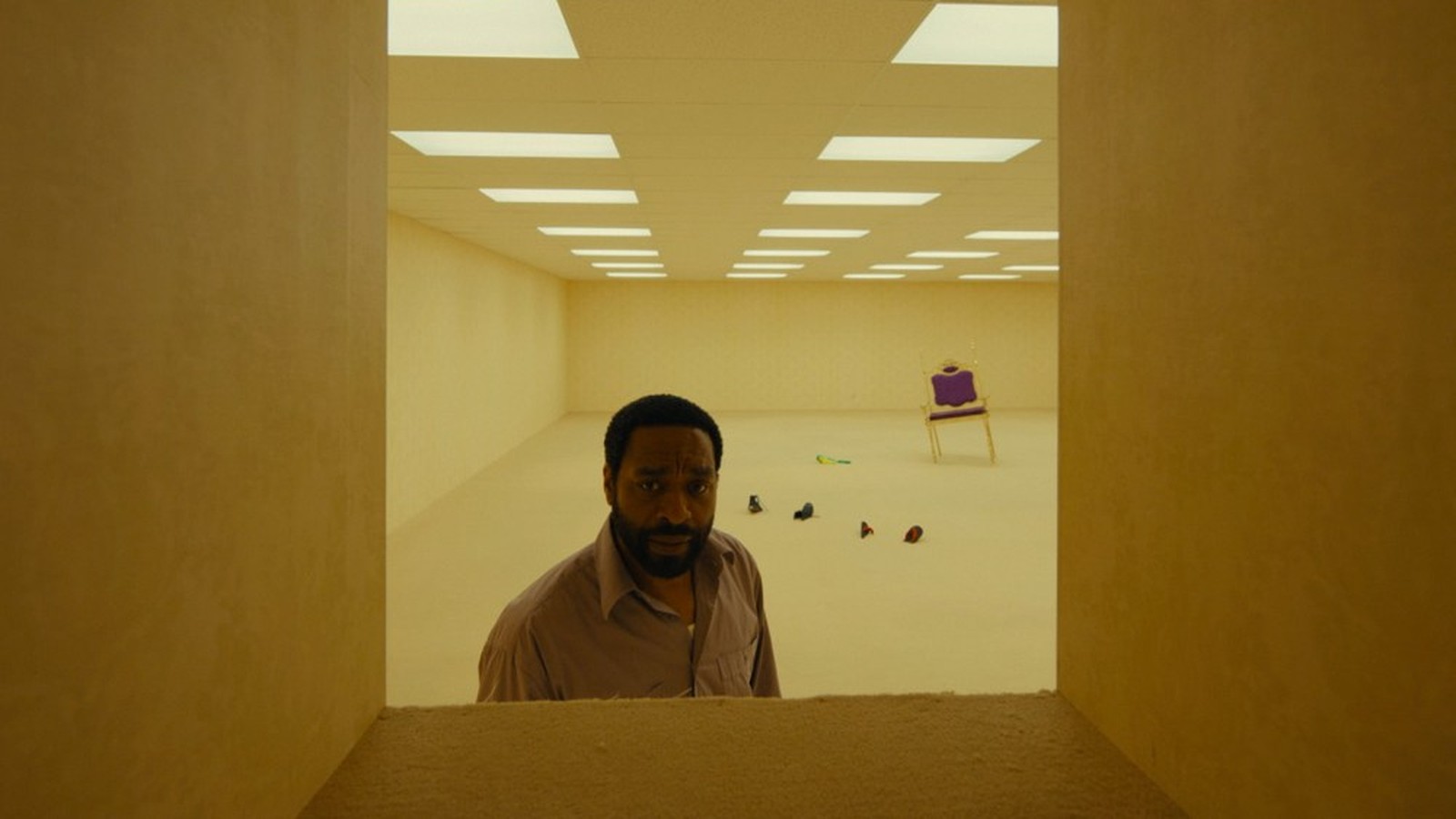
The film’s premise centers on Clark (Chiwetel Ejiofor), a failing furniture store proprietor in 1990s California who stumbles through a wall into a seemingly infinite, windowless expanse of yellow-hued corridors and acoustic tiles. The production design, led by Danny Vermette, succeeds in creating a visceral sense of unease, utilizing both physical sets and digital fabrication to evoke the oppressive atmosphere of a decaying office space. As noted in The Guardian, the film masterfully captures a “crepuscular kind of dead yellowish light” that defines the liminal experience.
The narrative stakes are anchored by the performances of Ejiofor and Renate Reinsve, who plays his therapist. Their characters are framed as individuals struggling with deep-seated personal isolation, mirroring the physical entrapment of the Backrooms themselves. Critics have praised the film’s ability to maintain tension without relying solely on traditional jump scares, opting instead for a “shivery poem” approach to horror, as described by Variety.
Critical Reception and Market Performance
Early box office projections estimate an opening weekend between $40-50 million, a strong start for an experimental horror debut. However, critical consensus remains divided, reflected in its 78% Rotten Tomatoes score. While some reviewers, such as those at ScreenCrush, laud Parsons for his “dramatic chops” and visual ingenuity, others argue that the film’s narrative becomes “underbaked” as it attempts to provide answers to a mystery that thrives on ambiguity.
The film’s climax has drawn particular scrutiny, with some critics suggesting that the shift toward a more conventional, action-oriented resolution undermines the existential terror established in the first two acts. Despite these narrative shortcomings, Backrooms remains a significant cultural artifact, signaling a shift in how studios leverage digital-native talent to revitalize established genre tropes.
Ultimately, Backrooms serves as a compelling, if imperfect, experiment in atmospheric storytelling. While its attempt to bridge the gap between abstract internet folklore and traditional narrative structure occasionally falters, the film succeeds in its primary goal: to unsettle. By grounding high-concept, surrealist horror in the mundane misery of late-20th-century professional life, Parsons demonstrates a technical proficiency that suggests a promising future, even if this specific entry struggles to reconcile its experimental roots with the demands of the box office.