

Quick Read
- RuPaul stars as President Judy Gagwell in new film ‘Stop! That! Train!’.
- Fans allege AI use in ‘RuPaul’s Drag Race’ Season 18, raising authenticity concerns.
- The project navigates tension between traditional performance and digital production.
The Convergence of Cinema and Controversy
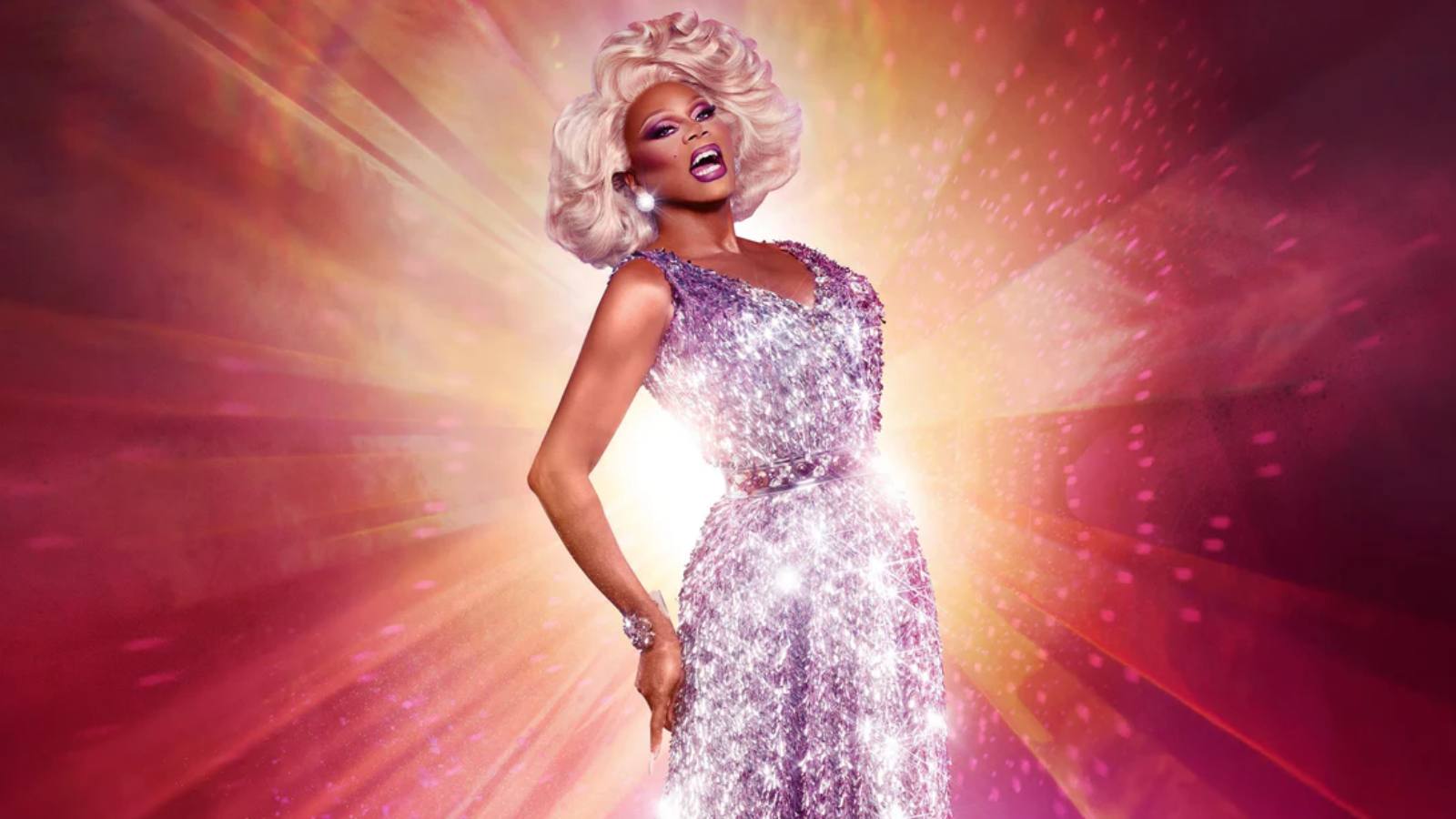
RuPaul Charles, the architect of modern drag culture, finds himself at a pivotal juncture in his career. As he embarks on an extensive promotional tour for his upcoming disaster-comedy film, Stop! That! Train!, the entertainment mogul is simultaneously navigating a firestorm of criticism surrounding the production of his flagship series, RuPaul’s Drag Race. The juxtaposition of his transition into mainstream cinema and the technical controversies plaguing his television empire highlights a growing tension between artistic legacy and the encroaching influence of generative artificial intelligence.
The AI Allegations
Season 18 of RuPaul’s Drag Race has become the subject of intense fan scrutiny, with allegations surfacing that the production has integrated AI-generated elements to replicate the host’s likeness and vocal cadence in ways that deviate from traditional editing. For a performer who has built a multi-decade career on the visceral, human-centric power of drag, the mere suggestion of synthetic intervention presents a significant reputational risk. Critics argue that if the ‘human’ element of RuPaul’s performance—his wit, his emotional responsiveness, and his distinct cadence—is being supplemented or replaced by machine learning, the foundational authenticity of the brand is fundamentally compromised.
Promotional Pivot and Cinematic Ambition
Amidst these whispers of technical artifice, RuPaul is aggressively pivoting to the big screen. Stop! That! Train!, directed by Beth McCarthy-Miller, presents a high-camp disaster parody where RuPaul stars as President Judy Gagwell. The film, which features a vast ensemble of Drag Race alumni, is being positioned as a standalone comedic vehicle rather than an extension of the competition show. In interviews, RuPaul has framed the project as a modern homage to the works of Mel Brooks, emphasizing a desire to create art that is ‘unapologetically queer’ yet broadly accessible.
Political and Corporate Pressure
The stakes are further elevated by the broader political climate. Recent public comments by fellow drag performer Peppermint have drawn attention to the corporate ownership of the Drag Race franchise under the Paramount umbrella. These allegations suggest that the show may face pressure to align with new media ownership interests, potentially stripping the program of its radical, counter-cultural roots. This intersection of corporate consolidation, political discourse, and the technical shift toward AI integration suggests that the ‘RuPaul’ brand is facing its most complex challenge to date.
Ultimately, RuPaul stands at the intersection of a rapidly evolving media landscape where the distinction between the performer and the product is increasingly blurred. By embracing a cinematic path while simultaneously grappling with the fallout of alleged AI reliance, the icon is testing the limits of audience loyalty. If the success of his future projects depends on the public’s perception of his authenticity, the transition toward automated production methods may prove to be a high-stakes gamble that threatens the very human connection that propelled him to global stardom.