


The Convergence of Climate and Geopolitical Shocks
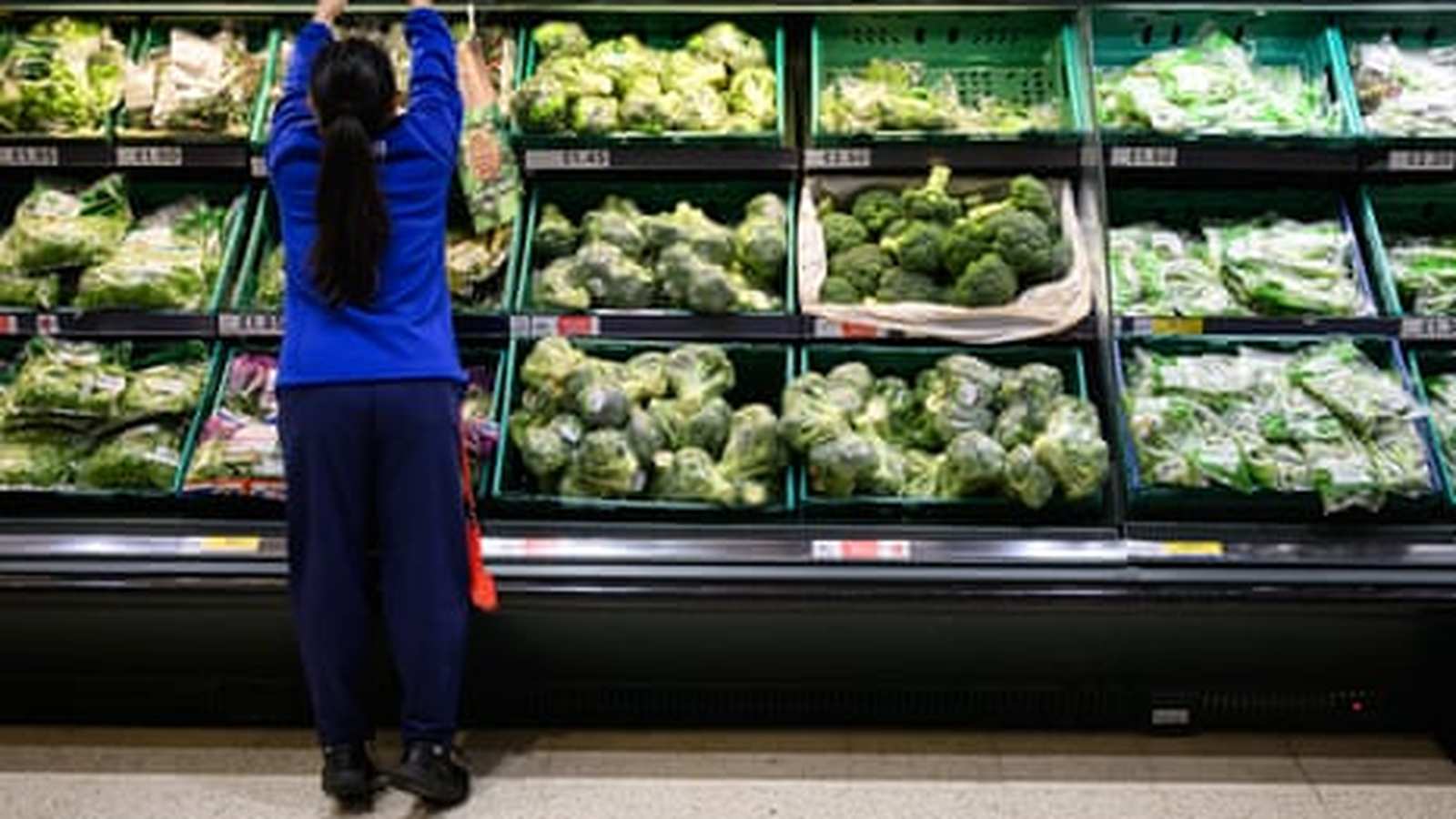
The global food system is currently facing a dual-pronged assault, as extreme weather patterns and ongoing geopolitical conflicts threaten the stability of supply chains from Europe to Southern Africa. In the United Kingdom, experts are warning that the nation is “sleepwalking into a food crisis,” driven by a combination of a severe heatwave, the enduring inflationary impacts of the Iran war, and a lack of decisive government intervention.
The current UK situation is characterized by a dry spring followed by intense heatwaves, with temperatures projected to exceed 40C. This climate volatility is placing extreme strain on domestic agriculture, reducing crop yields and causing heat stress in livestock. According to food policy experts, including Professor Tim Lang of City St George’s, University of London, the government’s reliance on “business as usual” policies is insufficient. With food prices already tracking 50% higher than five years ago, the added inflationary pressure of fuel and fertilizer shortages—exacerbated by the blockade of the Strait of Hormuz—presents a structural threat to national security.
The Economic and Social Stakes
Retired General Richard Nugee has emphasized that food security must be treated as a top-level national security concern. The potential for “heat domes” over major grain-producing regions worldwide suggests that the volatility is not a temporary anomaly but the “new normal.” The Climate Change Committee has warned that damages to UK food production could escalate from £200m today to over £2bn a year by the 2030s if structural resilience is not improved.
Simultaneously, the situation in Mozambique illustrates the devastating impact of climate-driven disasters on vulnerable economies. The Food and Agriculture Organization (FAO) has launched an urgent appeal for $108 million to support 1.8 million people following catastrophic flooding. The destruction of 440,000 hectares of farmland has resulted in economic losses estimated at $476 million, with agriculture accounting for 73% of the damage. This disaster underscores the long-term fragility of rural communities when faced with repeated climate shocks.
Policy Recommendations and Future Resilience
A group of prominent food experts has petitioned the UK government to prioritize three key areas: resilient domestic production of healthy food, enhanced preparedness for supply chain shocks, and guaranteed access to affordable nutrition. The current disconnect between scientific intelligence and policy implementation remains a primary point of friction. As intelligence reports suggest, the collapse of key ecosystems overseas could trigger wider migration and conflict, further destabilizing global food markets.
The confluence of these regional crises—the UK’s struggle with inflationary and climate-driven supply chain fragility and Mozambique’s battle against catastrophic weather-related destruction—signals a systemic failure to insulate essential resources from geopolitical and environmental shocks. As both developed and developing nations face a common adversary in the form of climate volatility, the necessity for a shift from reactive crisis management to proactive, long-term resilience planning has never been more urgent. Without a fundamental restructuring of international trade protections and domestic agricultural support, the risk of civil instability arising from food insecurity will continue to escalate.