


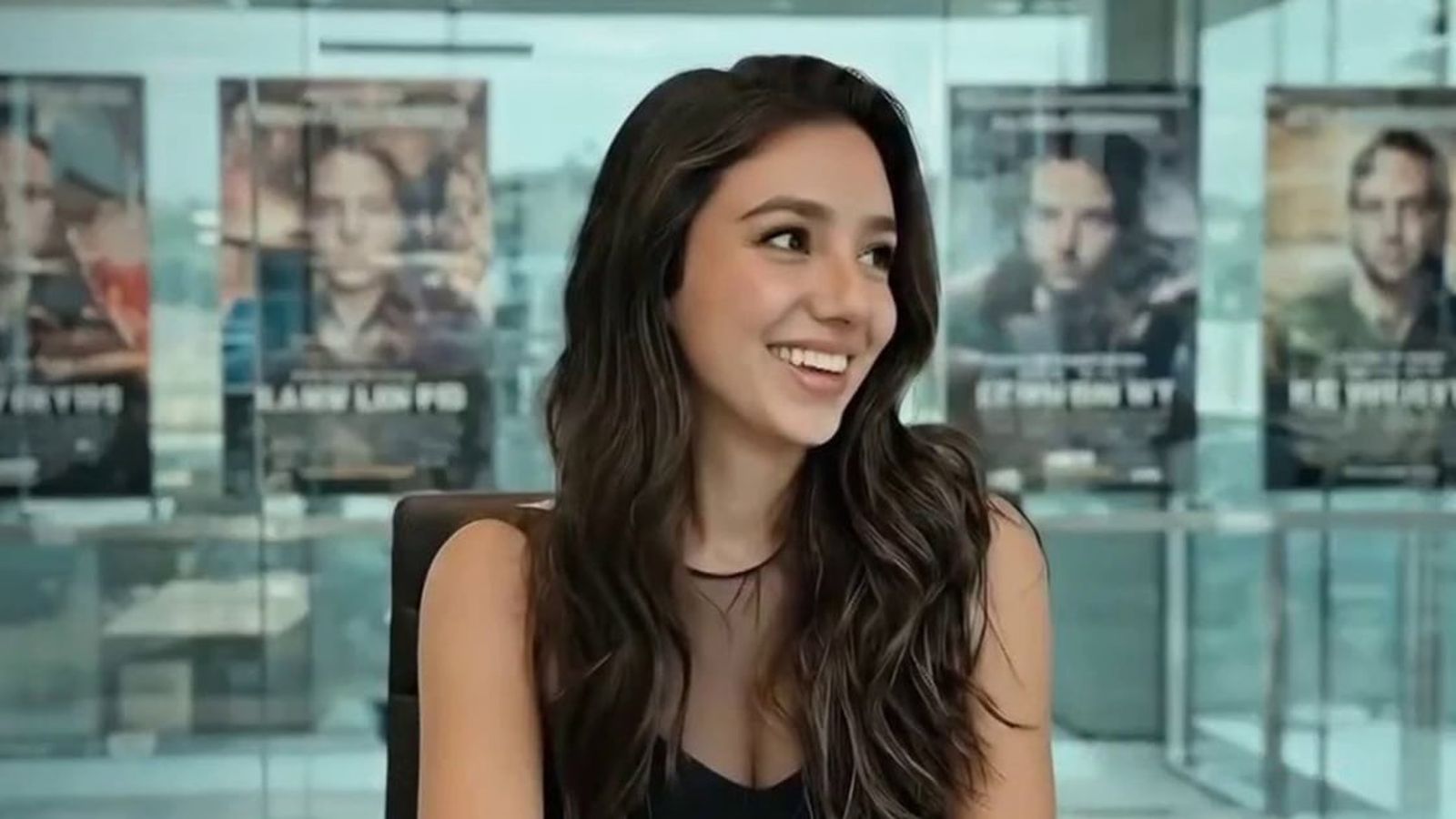
AI Actress Tilly Norwood: A New Chapter in Hollywood’s Story
For decades, Hollywood has been a place where dreams meet reality, and where the art of performance is built on the uniquely human ability to evoke emotion, empathy, and connection. But this autumn, a new kind of star has appeared on the horizon—one that doesn’t breathe, doesn’t feel, but can nonetheless command millions of views. Her name is Tilly Norwood, and she isn’t a person at all. She is an artificial intelligence creation, the first of her kind to potentially be signed by major talent agents, stirring both excitement and controversy in the entertainment world.
SAG-AFTRA’s Stand: Defending Human-Centered Creativity
News of Tilly Norwood’s possible representation by Hollywood talent agencies broke over the weekend, sending shockwaves through the industry. SAG-AFTRA, the powerful union representing over 160,000 actors and media professionals, wasted no time in responding. In a statement to Deadline, the guild was unequivocal: “Creativity is, and should remain, human-centered. The union is opposed to the replacement of human performers by synthetics.”
For SAG-AFTRA, the issue is clear. Tilly Norwood is not a real actor, but rather a character generated by a computer program—trained on the performances of countless professionals, often without their permission or compensation. The union argues that such synthetic creations lack the life experience, emotional depth, and authenticity that real audiences crave. More than that, they see a threat to livelihoods, to the very essence of what it means to be an artist.
“It doesn’t solve any ‘problem’—it creates the problem of using stolen performances to put actors out of work, jeopardizing performer livelihoods and devaluing human artistry,” the statement reads. SAG-AFTRA also warned studios and producers that using synthetic performers may breach contractual obligations, requiring notice and bargaining whenever AI characters are employed.
The Rise of Tilly Norwood: Artistry or Automation?
The creator behind Tilly Norwood is Eline Van der Velden—an actor, comedian, and technologist working under her AI-focused production company Particle6. During a panel at the Zurich Summit, Van der Velden revealed that several talent agents had expressed interest in signing her AI-generated actress. The news quickly spread, and the backlash was swift and intense. Notable actors like Melissa Barrera, Kiersey Clemons, Whoopi Goldberg, and Emily Blunt all voiced their concerns, making it clear that the industry isn’t ready to replace flesh-and-blood performers with digital facsimiles.
Van der Velden, for her part, has tried to reframe the debate. She describes Tilly Norwood not as a replacement for humans, but as a new kind of creative work—a piece of art. “I see AI not as a replacement for people, but as a new tool, a new paintbrush,” Van der Velden told Deadline. “Just as animation, puppetry, or CGI opened fresh possibilities without taking away from live acting, AI offers another way to imagine and build stories.”
Indeed, the emergence of Tilly Norwood mirrors other technological shifts in entertainment history. From the advent of animation to the rise of computer-generated imagery (CGI), each innovation has expanded the storytelling toolkit. But AI, which can mimic voices, faces, and even emotional responses, raises unprecedented questions. Can a machine truly capture the nuances of human experience? And if it can, what happens to the people whose lives revolve around performing?
Industry Reactions: Divided Between Innovation and Tradition
The arrival of Tilly Norwood has become a lightning rod for debate. Some see her as a symbol of progress, proof that technology can help artists tell new kinds of stories. Others see a looming threat—a future where the faces on screen are no longer connected to real people, and where creative labor is replaced by algorithms.
SAG-AFTRA’s stance is rooted in recent history. The union previously fought for protections against unauthorized use of actors’ likenesses and performances during the 2023 strike, a watershed moment prompted by advances in AI and digital technologies. Today, those battles continue, as studios quietly incorporate AI into production pipelines and as digital characters like Tilly Norwood gain traction on platforms like TikTok, Instagram, and YouTube.
Amid the controversy, Van der Velden has launched Xicoia, an AI talent studio, and continues to promote Tilly Norwood as a creative experiment. Her approach, she insists, is about expanding possibilities—not taking away from the craft or joy of human performance. But for many in Hollywood, the debate is not just philosophical; it is existential.
What’s Next for Performers and Audiences?
The story of Tilly Norwood is still unfolding. At its heart, it is a story about the value of human creativity in an age of increasingly intelligent machines. Will audiences embrace AI-generated characters, or will the lack of genuine emotion and lived experience leave them cold? Will studios and talent agencies see synthetic actors as a cost-saving boon, or will they heed the warnings of unions and artists?
As the entertainment industry faces these questions, one thing remains certain: technology will continue to shape the boundaries of art, performance, and storytelling. How it does so—and whether it enriches or diminishes the human touch—will depend on choices made by creators, audiences, and institutions alike.
For now, Tilly Norwood stands as both a marvel and a mirror—a reflection of our hopes, fears, and the ever-evolving relationship between people and machines.
The rise of AI performers like Tilly Norwood marks a pivotal moment for Hollywood, forcing the industry to grapple with the definition of creativity, the rights of human artists, and the ethics of digital innovation. While AI may never fully replicate the emotional depth of lived experience, its rapid integration into entertainment demands thoughtful regulation and open dialogue. How Hollywood responds will shape not just the future of film, but the future of what it means to be human.