


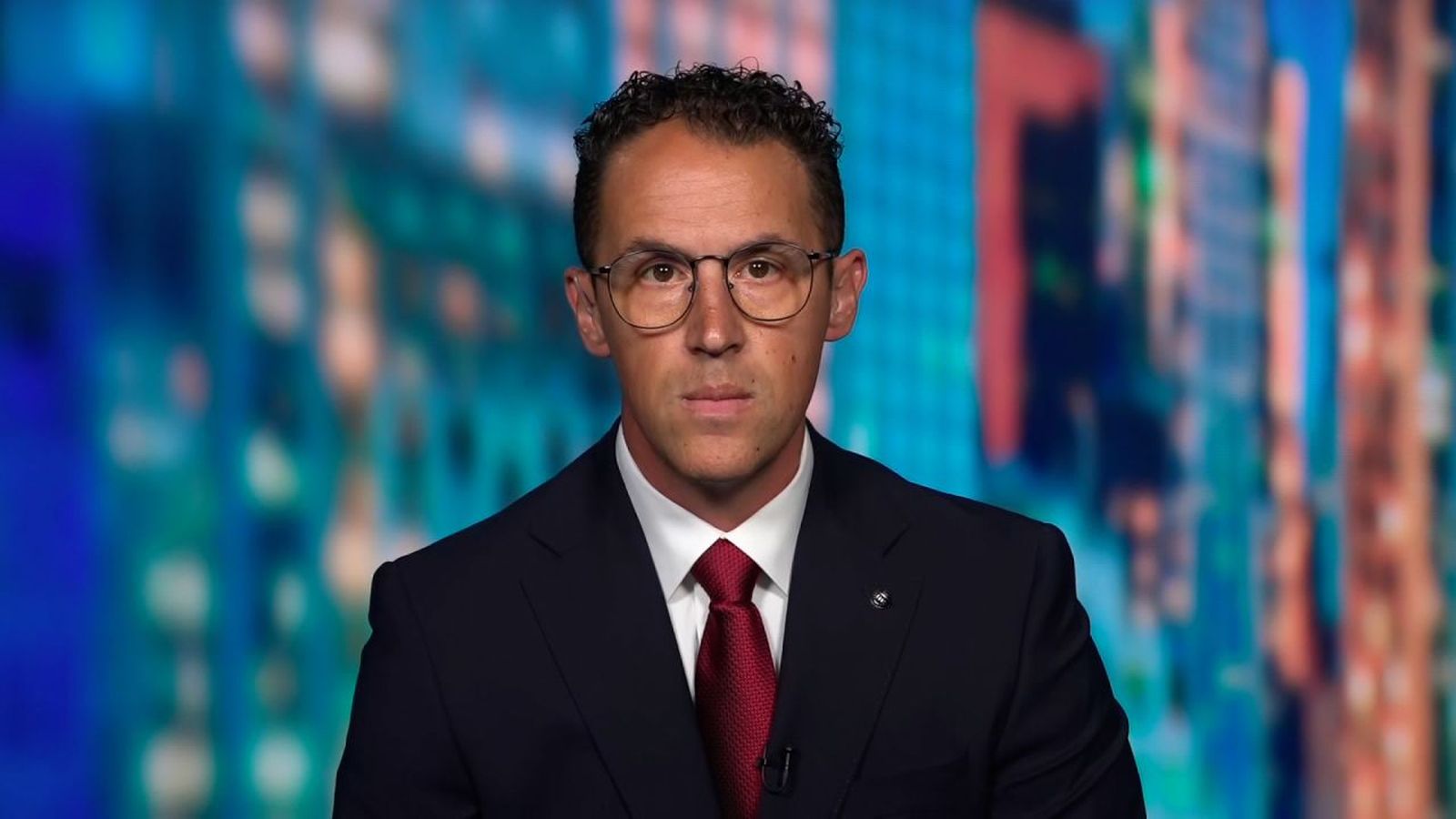
A Public Stand in Uniform
U.S. Air Force Major Jason Watson was arrested on the steps of the U.S. Capitol last month after staging a public protest while dressed in his official military uniform. The active-duty officer, who held a sign calling for the impeachment and removal of President Donald Trump and Vice President J.D. Vance, was taken into custody by Capitol Police for demonstrating in a restricted area.
Watson, who spoke out in a televised interview on CNN this week, stated that his actions were a direct response to the administration’s military involvement in Iran and Venezuela. “[Trump] has failed us,” Watson told anchor Erin Burnett, citing constitutional concerns, corruption, and the loss of American lives as the primary drivers for his dissent.
Professional and Legal Consequences
The incident has triggered a significant debate regarding the boundaries of political expression for military personnel. Under Department of Defense regulations, active-duty service members are generally prohibited from engaging in political activities while in uniform. Violating these directives carries the risk of severe disciplinary action, including court-martial, forfeiture of pay, and permanent discharge from the service.
When questioned about the potential destruction of his military career, Watson maintained that the risk was necessary. “Everything that is worthwhile is going to cost something,” he said during the broadcast. Capitol Police officials confirmed that the demonstration violated standard statutes prohibiting public protests on the House steps without congressional sponsorship.
The Stakes of Military Dissent
The case underscores the tension between individual conviction and the apolitical mandate of the U.S. armed forces. While service members retain their constitutional rights to free speech, those rights are strictly curtailed when personnel are on duty or in uniform. The Department of Defense has not yet publicly specified the exact charges Watson may face, but legal experts note that the public nature of the protest and the use of the uniform significantly complicate his defense.
As the investigation proceeds, the Air Force is expected to conduct a formal review of Watson’s conduct. His public admission of the intent behind his protest will likely serve as a central piece of evidence in any potential administrative or judicial proceeding.