


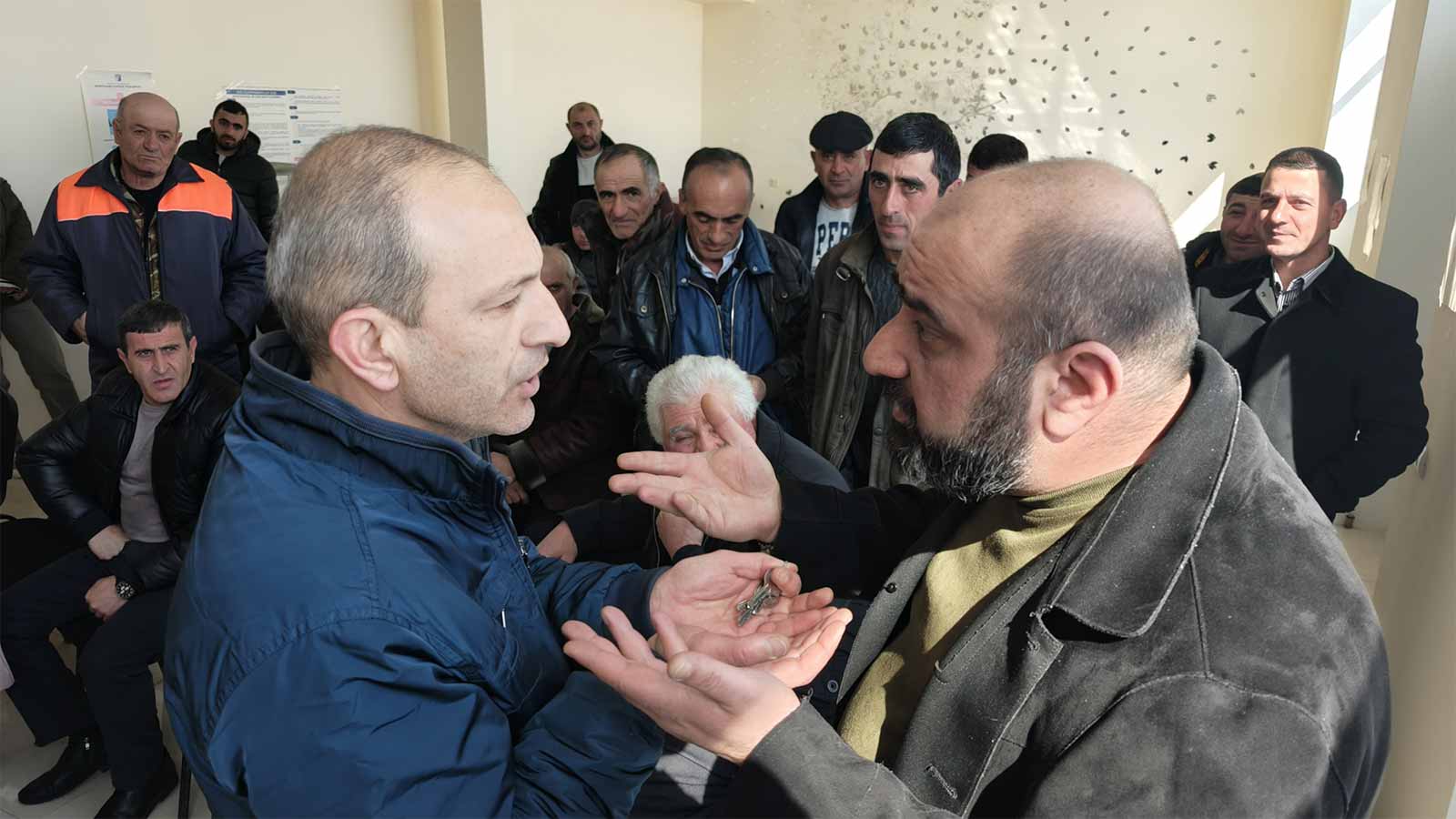
Public Hearings in Akunk Expose Controversies Surrounding Jesus Statue Project
Public hearings in Akunk, Kotayk region, Armenia, have brought to light significant procedural violations and raised alarms over the potential environmental and cultural damage caused by the controversial Jesus Christ statue complex project. These hearings, the second phase of public consultation, are mandated for the Environmental Impact Assessment (EIA) of the monumental project initiated by the “Gagik Tsarukyan” Charitable Foundation. However, they have been marred by accusations of a flawed EIA process and blatant disregard for environmental and cultural heritage norms.
Flawed Public Hearings Spark Outcry in Akunk
The public hearings, held on February 26, 2025, across various locations within the Akunk community, were intended to gather public feedback on the EIA report. Yet, these proceedings have been heavily criticized for procedural irregularities. Reports indicate that the hearings were conducted amidst violations of established protocols, further fueling concerns about the legitimacy and transparency of the entire project. This flawed process has triggered public outcry, with environmentalists and concerned citizens questioning the true intent behind these consultations and the extent to which public opinion will genuinely influence the project’s trajectory.
Community Endorsement vs. Expert Scrutiny: Divergent Views Emerge
Despite the procedural concerns, reports from the hearings suggest a noticeable divergence in opinions. While local residents in Kotayk and Hatis settlements reportedly voiced their support for the Jesus statue complex, framing it as a “good thing” for their community, environmental правозащитники and experts present at the hearings raised critical questions. This apparent community endorsement contrasts sharply with the expert scrutiny focused on the project’s potential adverse impacts. This divide highlights a crucial tension between local economic aspirations and broader environmental and heritage preservation concerns, a conflict that remains unresolved through the public hearing process.
EIA Report Under Fire: Environmental and Heritage Oversights
A central point of contention during the hearings was the glaring inadequacy of the EIA report itself. Environmentalists, including representatives from “Transparency International Anti-corruption Center,” directly challenged the Ministry of Environment’s representative regarding the EIA’s omissions. Notably, the EIA report allegedly fails to adequately address the project’s impact on the “Hatis Volcano” nature monument and the historical-cultural monuments located on Hatis Mountain. This critical oversight has led to accusations that the EIA is “corrupt” and fundamentally undermines the purpose of environmental assessment, which is to ensure informed decision-making based on a thorough evaluation of potential risks to protected sites.
Unanswered Questions: Economic Benefits and Project Scope
Environmental правозащитники, such as Oleg Dulgaryan, pressed project initiators for concrete details regarding the economic benefits promised to the community. Questions about the number of jobs to be created during and after construction, and specific economic calculations demonstrating community gains, went largely unanswered. Furthermore, inquiries about the road leading to Hatis Mountain and whether its development was included within the project scope also lacked clear responses. This lack of transparency regarding economic impacts and overall project scope further fuels public skepticism and raises questions about the true motivations and potential benefits for the local community versus private interests.
Pre-Hearing Damages and Procedural Lapses: A Pattern of Violations
Adding to the controversy, concerns were reiterated regarding preparatory works undertaken prior to proper permits and EIA approval. “Transparency International Anti-corruption Center” highlighted that construction activities, including road building and concrete pouring, had commenced without the requisite EIA expert conclusion. This alleged sequence of events—starting construction before environmental and legal clearances—points to a pattern of procedural lapses and a potential disregard for legal norms. Sona Ayvazyan from “Transparency International” directly questioned the Ministry of Environment representative on how such a flawed document could be accepted and not returned for revision, emphasizing the improperly initiated process.
“Business Creation” on Damaged Heritage: Corruption Allegations
The underlying sentiment expressed in the provided text is a strong condemnation of the project, alleging that it represents “business creation” atop damaged natural and cultural heritage. This accusation underscores the suspicion that economic motives are prioritized over environmental and cultural preservation. The hearings, rather than alleviating these concerns, appear to have amplified them, revealing a process marred by procedural violations, an inadequate EIA, and unanswered questions regarding economic benefits and project scope. The situation raises serious allegations of corruption and a systemic failure to protect Armenia’s natural and cultural assets from potentially damaging development projects.
For ongoing coverage of societal, legal issues, government accountability and public discourse in Armenia, visit Azat TV’s Society , Legal , Government sections.