


The Cost of a Split-Second Decision
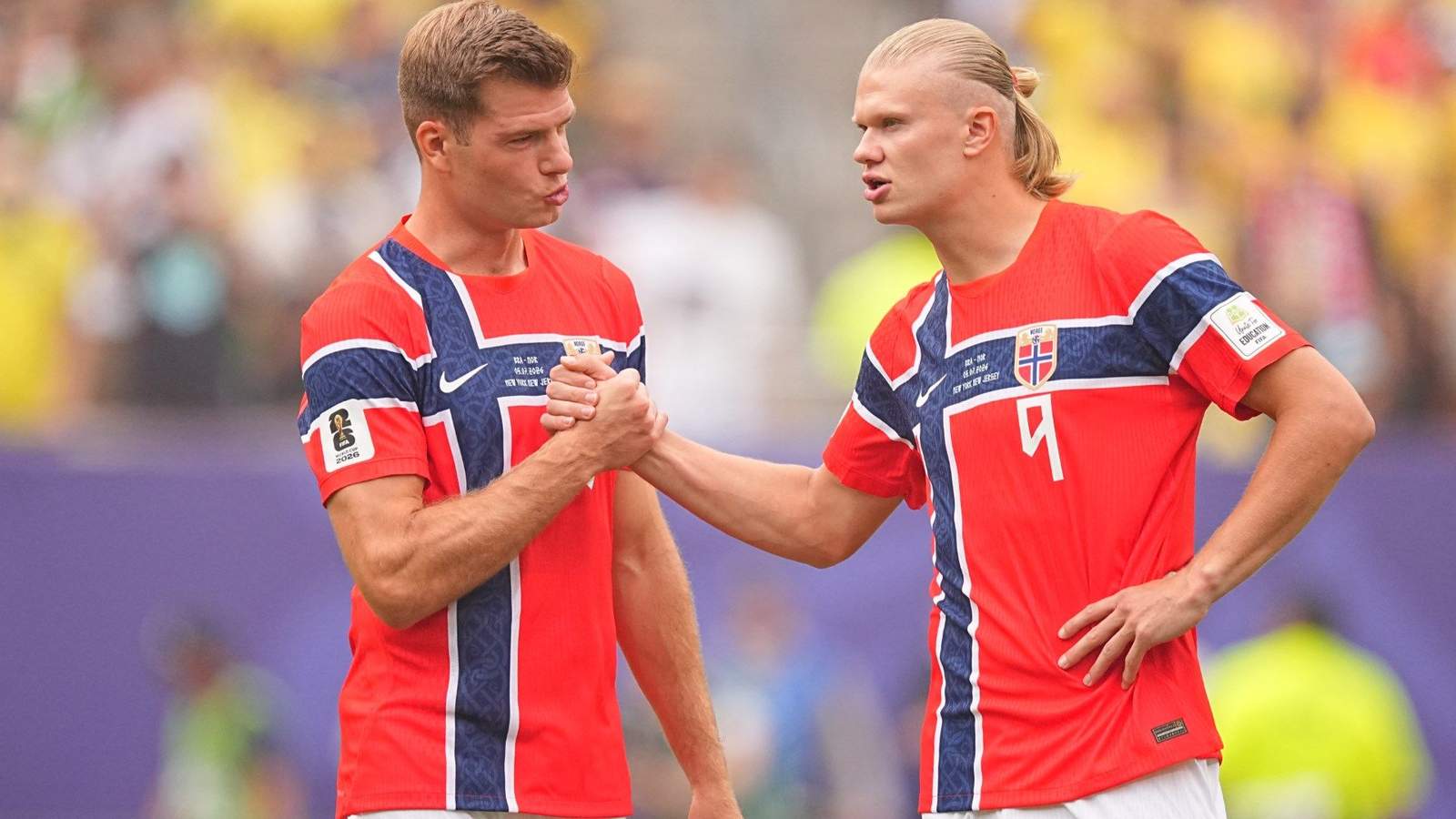
In the 44th minute of Norway’s World Cup quarter-final against England, the trajectory of the tournament shifted. With Norway holding a 1-0 lead, Alexander Sorloth and Erling Haaland broke away in a two-on-one situation against England defender John Stones. A simple square pass to Haaland would have likely doubled the lead and placed Norway in a commanding position. Instead, Sorloth attempted to navigate past Stones himself, resulting in a blocked shot and a comfortable save by Jordan Pickford.
England equalized just three minutes later through Jude Bellingham, eventually securing a 2-1 win in extra time. The fallout from the missed chance has been swift and severe. While pundits, including Alan Shearer, criticized the tactical choice as a failure of composure, the consequences have moved far beyond the pitch.
The Human Cost of Elite Pressure
Following the elimination, Sorloth has been the target of intense online abuse, including death threats and calls for self-harm. His partner, Lena Selnes, publicly addressed the harassment by sharing examples of the vitriol directed at the striker on social media. “The World Cup and football bring a lot of joy, but also a lot of hatred,” Selnes wrote on Instagram, urging fans to consider the human impact of their words.
Norway head coach Stale Solbakken defended his player’s decision-making, noting the physical toll of the match. “Alex sprints at full speed for 40-50 metres, and then he looks for the exact time he should release it to Erling,” Solbakken explained. “He doesn’t find it, and then it runs out.” While acknowledging the fine margins that define elite football, Solbakken cautioned against oversimplifying the pressure players face in high-humidity, high-stakes environments.
Reflecting on a Historic Campaign
Despite the bitter exit, Norway’s 2026 World Cup run represents the nation’s best-ever result in the tournament, marking their first appearance since 1998. Haaland concluded the campaign with seven goals, while Sorloth struggled to find his rhythm, ending the tournament without a goal or assist across five matches. The scrutiny surrounding the missed pass serves as a stark reminder of the intense expectations placed on modern athletes, where a single decision can overshadow an entire historical achievement for a national team.