


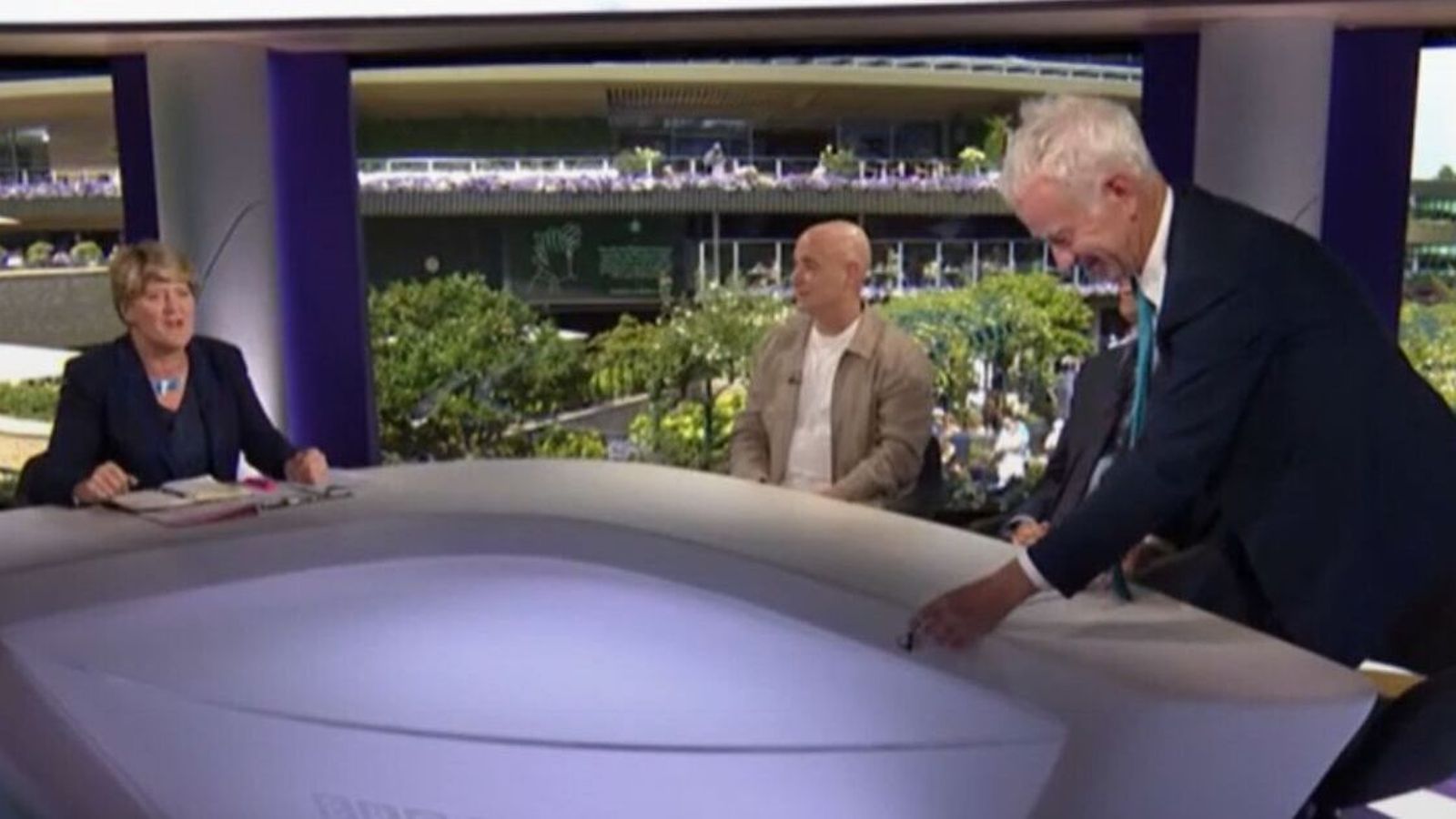
A Shift in Broadcasting Tone
Andre Agassi’s return to the BBC commentary booth for the 2026 Wimbledon Championships has redefined the expectations for tennis punditry. Throughout the tournament’s final stages, the former world No. 1 has balanced expert technical insight with an unfiltered, sometimes polarizing, persona that stands in stark contrast to the traditional, measured tone of British sports broadcasting.
During a high-stakes semi-final preview between Novak Djokovic and Jannik Sinner, Agassi’s commentary shifted from analytical to confrontational. He openly questioned Djokovic’s use of “ear seeds”—a form of traditional Chinese medicine—suggesting the Serbian champion’s promotion of the practice was a calculated business move rather than purely physiological. Agassi later issued an apology for the remarks, describing them as “inappropriate,” yet the incident highlighted the tension between authentic analysis and the decorum expected by broadcasters.
Challenging the ‘Unwritten Rules’
Beyond his commentary on player behavior, Agassi has used his platform to advocate for a fundamental change in tennis etiquette. During the Djokovic-Sinner match, Agassi expressed open frustration when players apologized for winning points after a “net cord”—where the ball clips the net and changes direction. “Can we please rally to get rid of that ‘I apologize for hitting the net cord’?” Agassi asked his co-commentator Andrew Castle, arguing that such gestures undermine the competitive intensity of the sport.
This call for a “rebellion” against tradition is consistent with Agassi’s own history as a player who frequently clashed with the sport’s rigid norms. However, his current role as an analyst brings these views into the modern professional era, where such gestures are deeply ingrained in player conduct codes and sportsmanship expectations.
The Stakes of Authentic Punditry
The reception of Agassi’s performance has been mixed but undeniably impactful. While his occasional use of profanity on live air and his blunt assessments of players’ physical conditions have drawn scrutiny, many viewers and critics argue that his presence provides a necessary jolt to a broadcasting format that some, including Sir Andy Murray, have criticized as stale or lacking insight. As Agassi continues his commentary duties, his tenure at Wimbledon suggests a growing appetite for personality-driven analysis that prioritizes raw, unfiltered perspective over traditional, polished broadcast standards.