


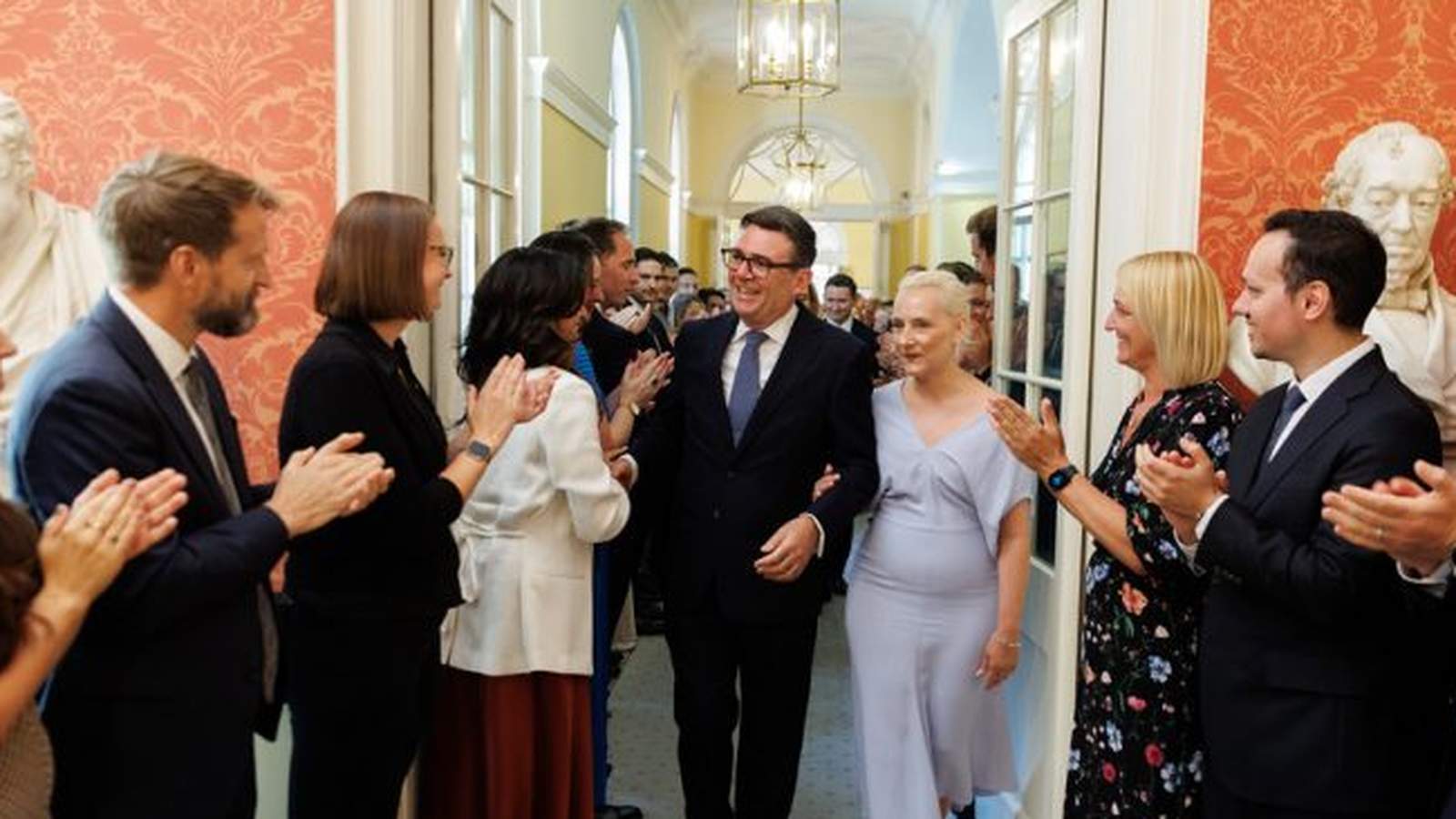
Prime Minister Andy Burnham has officially begun the task of forming his new government, marking a significant departure from the administration of his predecessor, Keir Starmer. In a series of high-profile appointments and dismissals on July 20, 2026, Burnham has moved to implement his ten-year vision of decentralizing power from Westminster and reshaping the British economy.
The most notable appointment is that of John Healey as Chancellor of the Exchequer, a move that surprised political observers who had speculated that either Ed Miliband or Shabana Mahmood would take the role. Miliband has instead been named Foreign Secretary, while Mahmood will remain as Home Secretary. The reshuffle has seen the departure of several prominent Starmer loyalists, including former Chancellor Rachel Reeves, Deputy Prime Minister David Lammy, and Business Secretary Peter Kyle.
Burnham has emphasized that his government will prioritize regional growth and social care reform. Angela Rayner has returned to the Cabinet as Secretary of State for Housing, Communities and Local Government, a key post as Burnham seeks to deliver his “good growth in every postcode” agenda. Other key appointments include Lucy Powell as Education Secretary, Alex Norris as Justice Secretary, and Wes Streeting, who has been tasked with overseeing the government’s commitment to increase defence spending to 3.5% of GDP.
The Prime Minister’s inner circle is also taking shape, with long-time ally Anneliese Midgley appointed as Chief Whip and Louise Haigh named First Secretary of State and Chancellor of the Duchy of Lancaster. The transition process is ongoing as Burnham continues to finalize his ministerial team.