


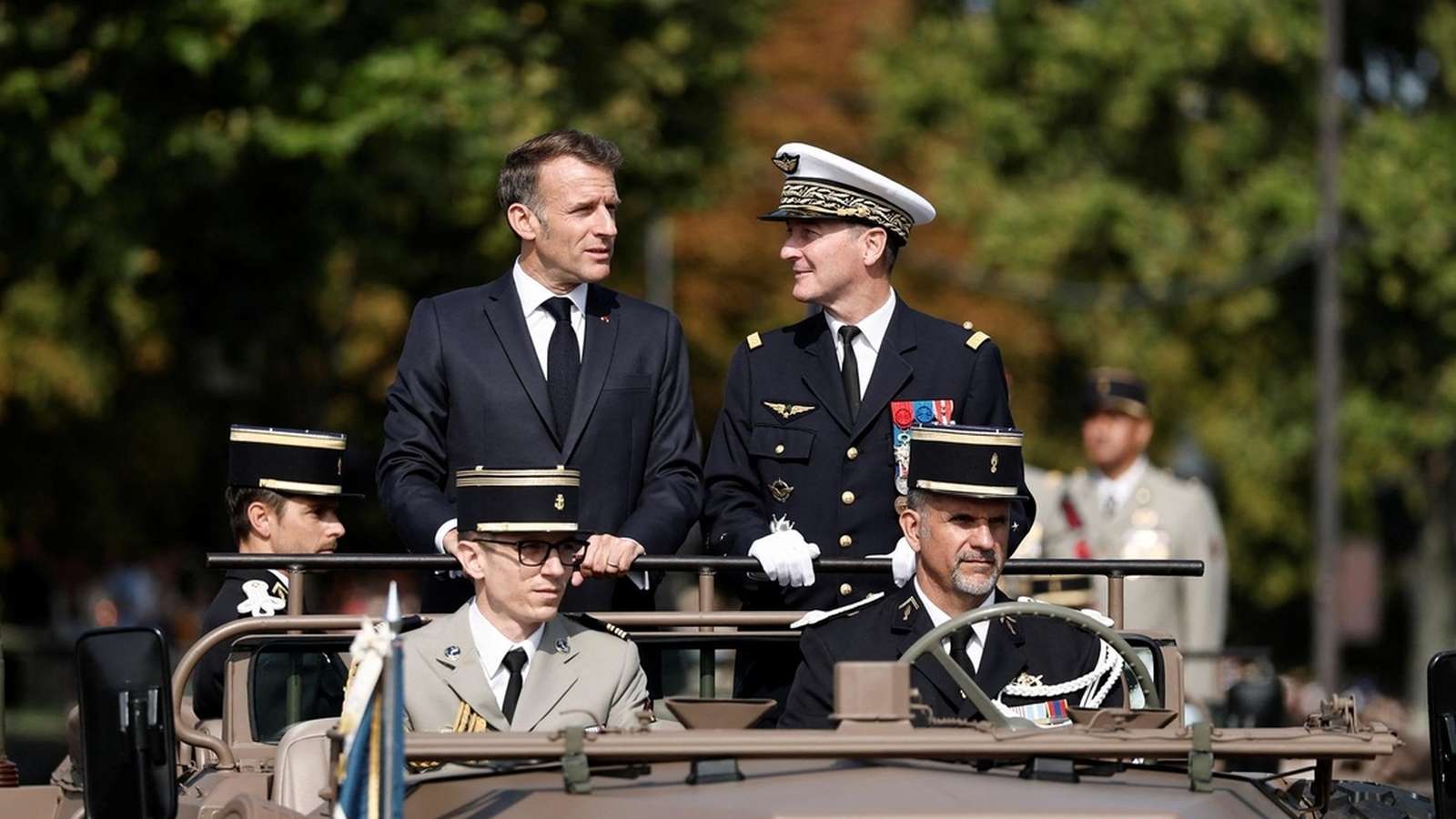
A Symbolic Show of Strength
President Emmanuel Macron presided over his final Bastille Day military parade on Tuesday, transforming the traditional French national holiday into a high-profile display of European military cohesion. With approximately 30 heads of state in attendance, the event on the Champs-Elysees served as a strategic signal of commitment to Ukraine amid ongoing regional tensions.
The parade featured a significant “coalition of the willing,” with 500 troops from nations pledged to Ukraine’s postwar security marching alongside French forces. For the first time in two decades, British troops participated in the ceremony, joining forces from Germany, Poland, Sweden, and other European partners. The highlight for many observers was the presence of Ukrainian soldiers, who received a standing ovation from the assembled leaders, including President Volodymyr Zelenskyy.
Aerial Unity and Strategic Signaling
The sky above Paris mirrored the ground-level display of unity. A massive fly-past included aircraft from across Europe, ranging from the United Kingdom and Italy to Croatia and Denmark. Notably, French Mirage 2000B fighter jets were piloted by French air force personnel alongside Ukrainian co-pilots currently undergoing training in France. This integration of air capabilities served to underscore the deepening defense ties between Kyiv and its European allies.
A Holiday Under Heatwave Constraints
The grandeur of the “XXL” parade, which saw a record 7,600 troops participate, stood in stark contrast to the environmental crisis gripping the nation. France is currently enduring its third heatwave of the year, with authorities forced to impose a “red alert” in several regions. The extreme weather necessitated the cancellation of traditional fireworks and public firefighters’ balls across the capital and southern France to mitigate the risk of further forest fires.
Despite these restrictions, the central message of the day remained clear. As Macron prepares to leave office in 2027, the parade functioned as a final consolidation of his “strategic awakening” policy, attempting to project a united European front to global powers, including Washington and Moscow.